
SXSW 2026 Brand Activations: What Worked, What Didn’t, and What Brands Need to Learn
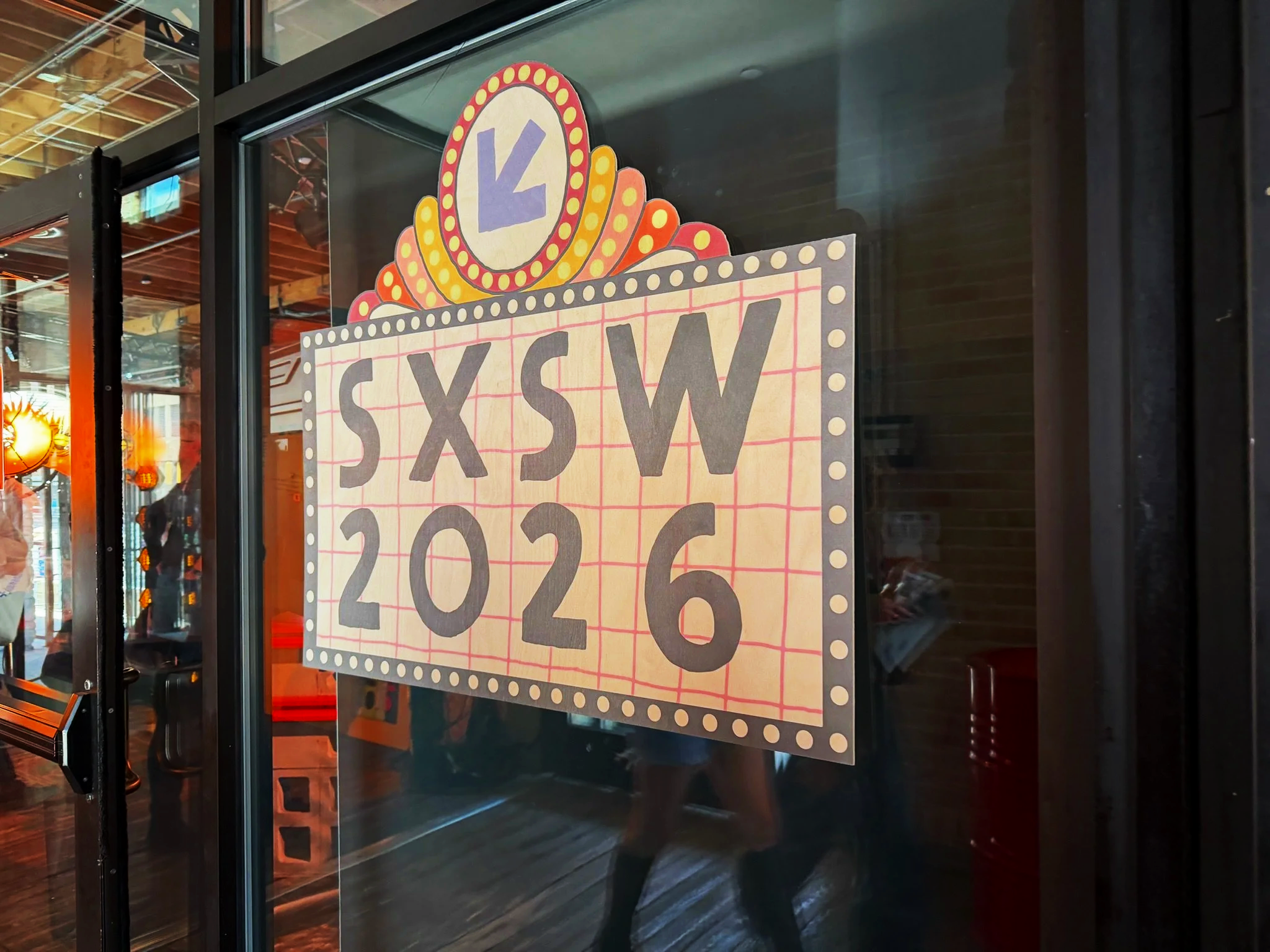
SXSW 2026 welcome poster
What were the key takeaways from SXSW 2026 brand activations?
SXSW 2026 showed that brand activations need clear purpose, product interaction, and human-centred design to be effective. Many experiences relied on visuals and familiarity, but the strongest executions created meaningful engagement through participation, storytelling, and direct interaction with the product. The key takeaways include:
SXSW 2026 felt more fragmented and less intentional than previous years
Many brands defaulted to surface-level “activations” without depth
The strongest executions focused on product immersion and human-centred design
Familiarity drew attention, but didn’t sustain engagement
The bar has changed. Presence alone no longer creates impact
Table of Contents
What felt different about SXSW 2026?
Another SXSW has come and gone, but this time, it felt a little different. SXSW 2026 felt more fragmented, both physically and creatively, with fewer cohesive brand experiences and less sense of discovery compared to previous years. Annie-Lee Taylor, Texas-based Account Director at Cogs & Marvel, attended recently and was on the look out for:
Structural innovation
The latest technology trends and integrations
Human-centred design
The bigger picture and what the trends this year could be hinting at for the future
Annie-Lee left SXSW with a mixed bag of insights on what worked, what didn’t, the why behind it all and what it could mean for brands and experiential marketing on the whole.
“Yes, the lines were still insane, that hasn’t changed, unfortunately, but beyond that, the festival felt disconnected.
When I attended in 2024, what stood out most was the intentional presence of brands. Every corner offered something worth discovering. I’d never felt FOMO like I had when seeing posts about things I missed. It wasn’t because you might miss a party or a giveaway, it was because you might miss an experience. Brands weren’t just showing up. They were inviting you into their world and you wanted to be a part of it. This year, that feeling was harder to find.”
What defines a true brand activation today?
A true brand activation creates engagement that is emotional, educational, or participatory. It leaves people with something beyond a visual moment, helping them understand or connect with the brand. Plenty of pop-ups called themselves “activations” this year. Few delivered.
“Does a photo op really count as an activation? Shouldn’t a true activation leave you with more than a GIF you email to yourself? Shouldn’t you walk away more educated, more deeply connected with the brand, and wanting more?”
Annie’s questions sum up the gap many brands experience. According to EventTrack 2026:
91% of consumers say participating in brand experiences increases their likelihood to purchase.
59% more positive about the brand
82% tell their friends and family about their engagement with the brand
A photo moment captures attention. An experience creates memory. While Annie noted that the truly memorable moments, the ones that made you stop, learn, laugh, or just feel, were rarer, some brands still excelled at crafting these experiences.
What worked at SXSW 2026?
Product-centric experiences outperformed pure brand promotion
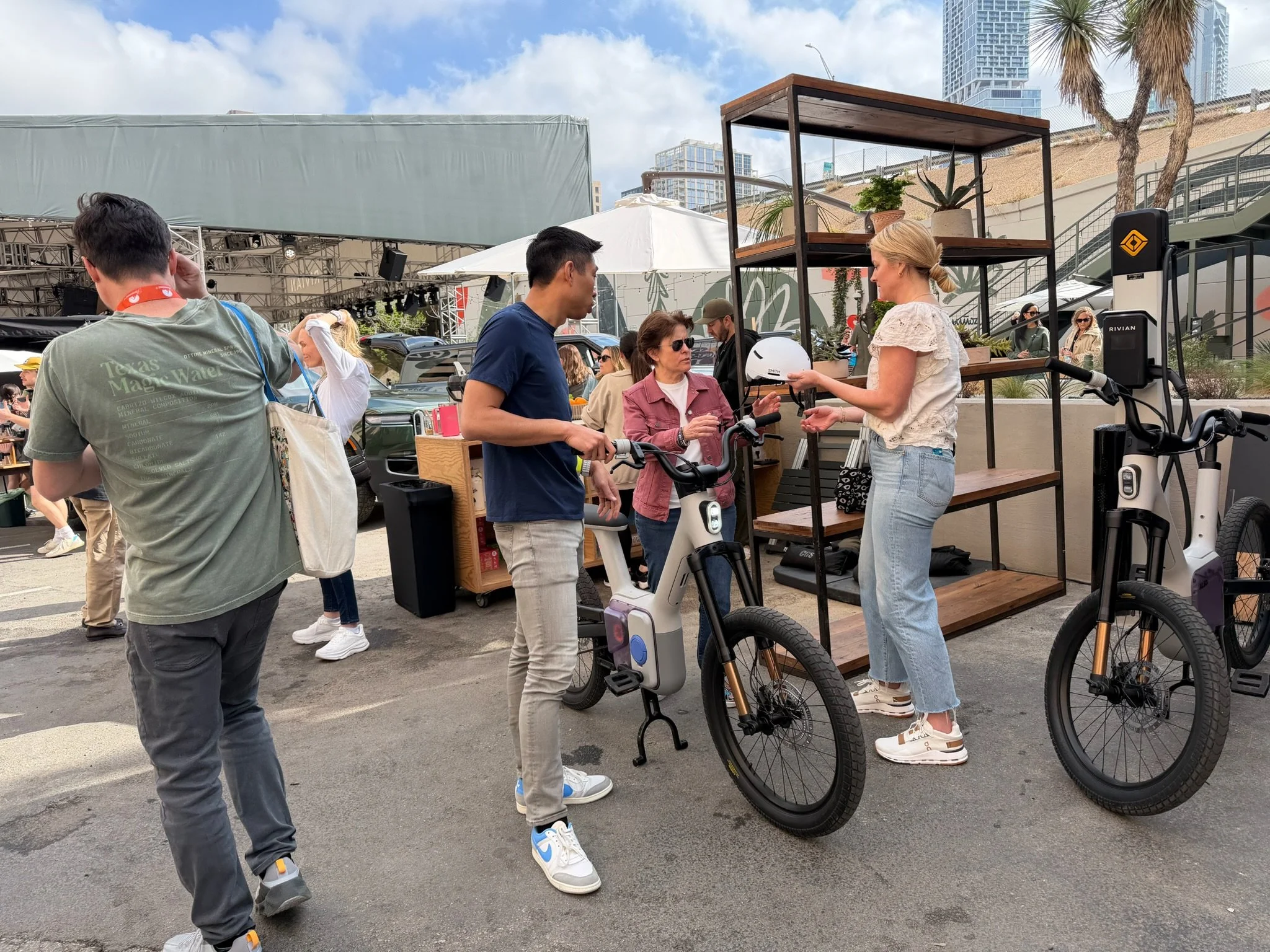
Product-led experiences allow audiences to interact directly with what a brand offers, making the value tangible and easier to understand. This was one of the clearest signals across SXSW. Some brands went beyond talking about their products, opting instead to create experiences where their product could be engaged with, and truly felt. Rivian, ALSO, Tesla, and JBL re-centered their activations around their product, signaling a broader shift in experiential design where the products weren’t just a supporting element, they were the experience.
Rivian, this year’s headlining sponsor, transformed vehicle performance into something you could feel, not just observe, with a hands-on product immersion in the "Electric Joyride" course taking over a stretch of Congress Avenue. Paired with their “Electric Roadhouse” at its flagship Austin location, which showcased everything the brand has to offer, and Rivian vehicles on every street corner for hands-on interaction, SXSW attendees had every opportunity to engage directly with both the products and the people behind them.
ALSO, working alongside the headlining sponsor, created an environment where technology wasn’t explained, it was explored. Attendees were able to be hands-on with ride demos at the “Electric Roadhouse”, making the technology tangible and memorable.
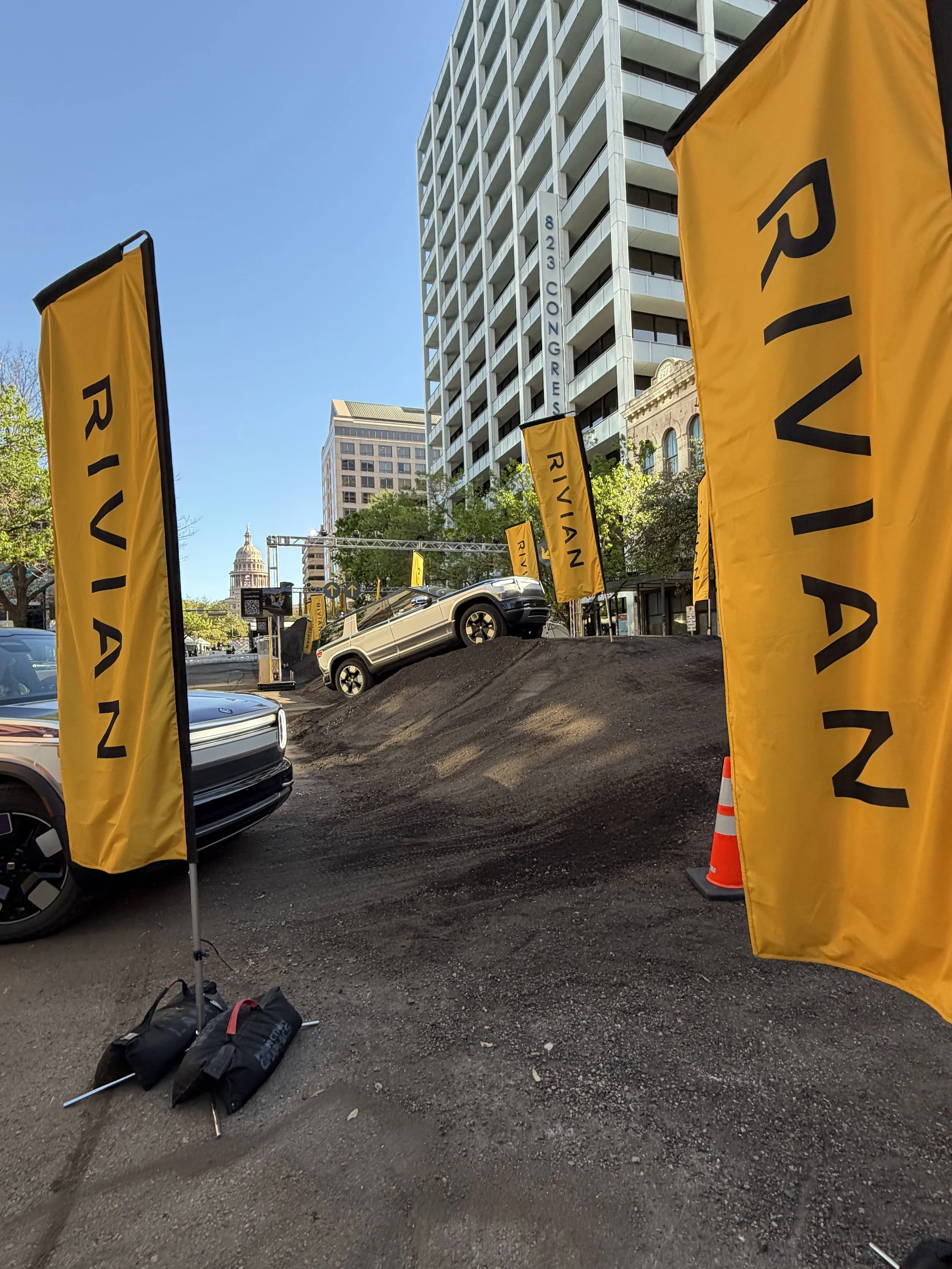
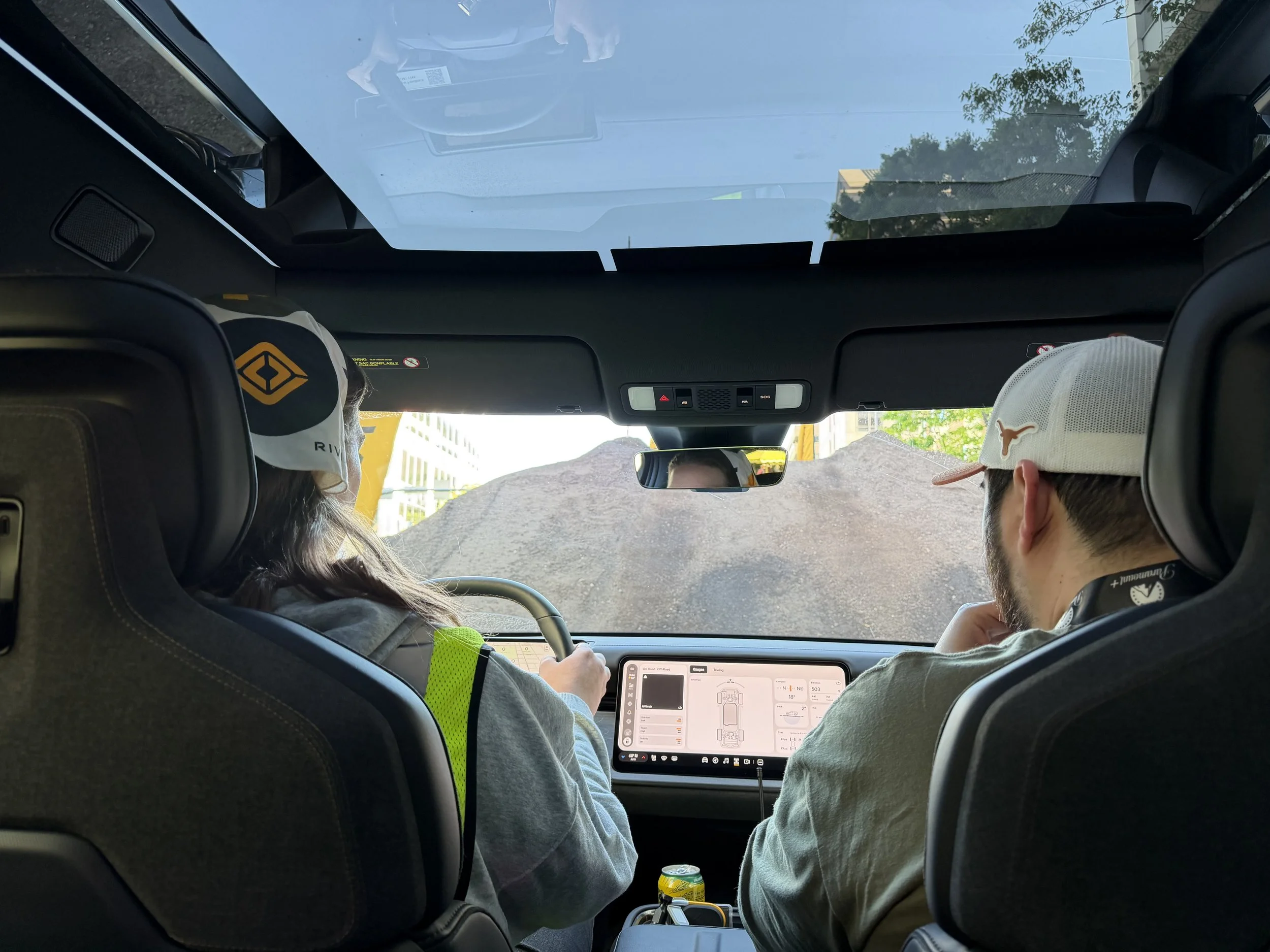
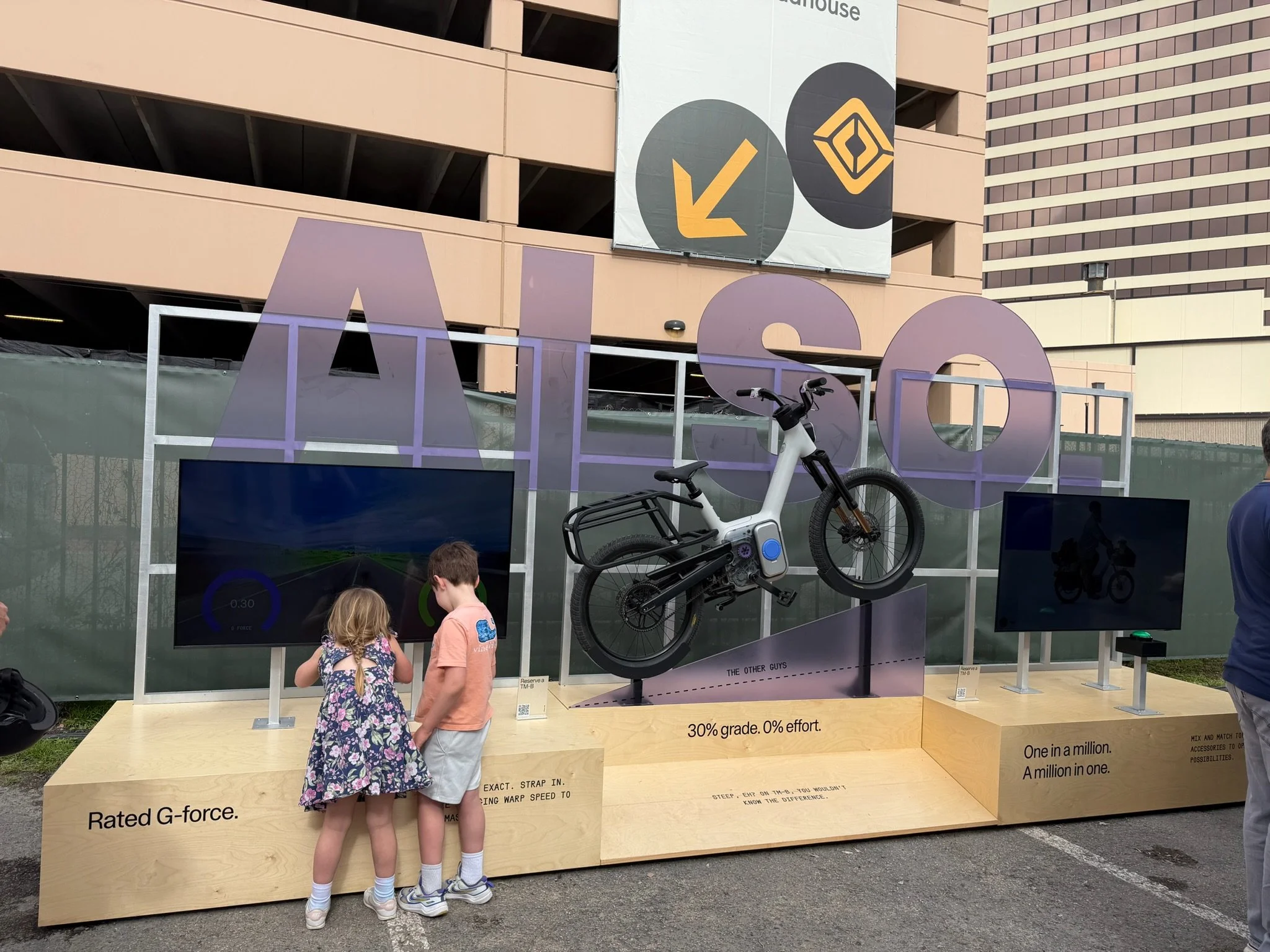
Tesla followed a similar path to Rivian and ALSO, leaning into real-world interaction and test-driven engagement rather than relying solely on static display, though they had a few of those as well. Cue the Cybercab being towed by a Cybertruck throughout the downtown streets like a Barbie on display.
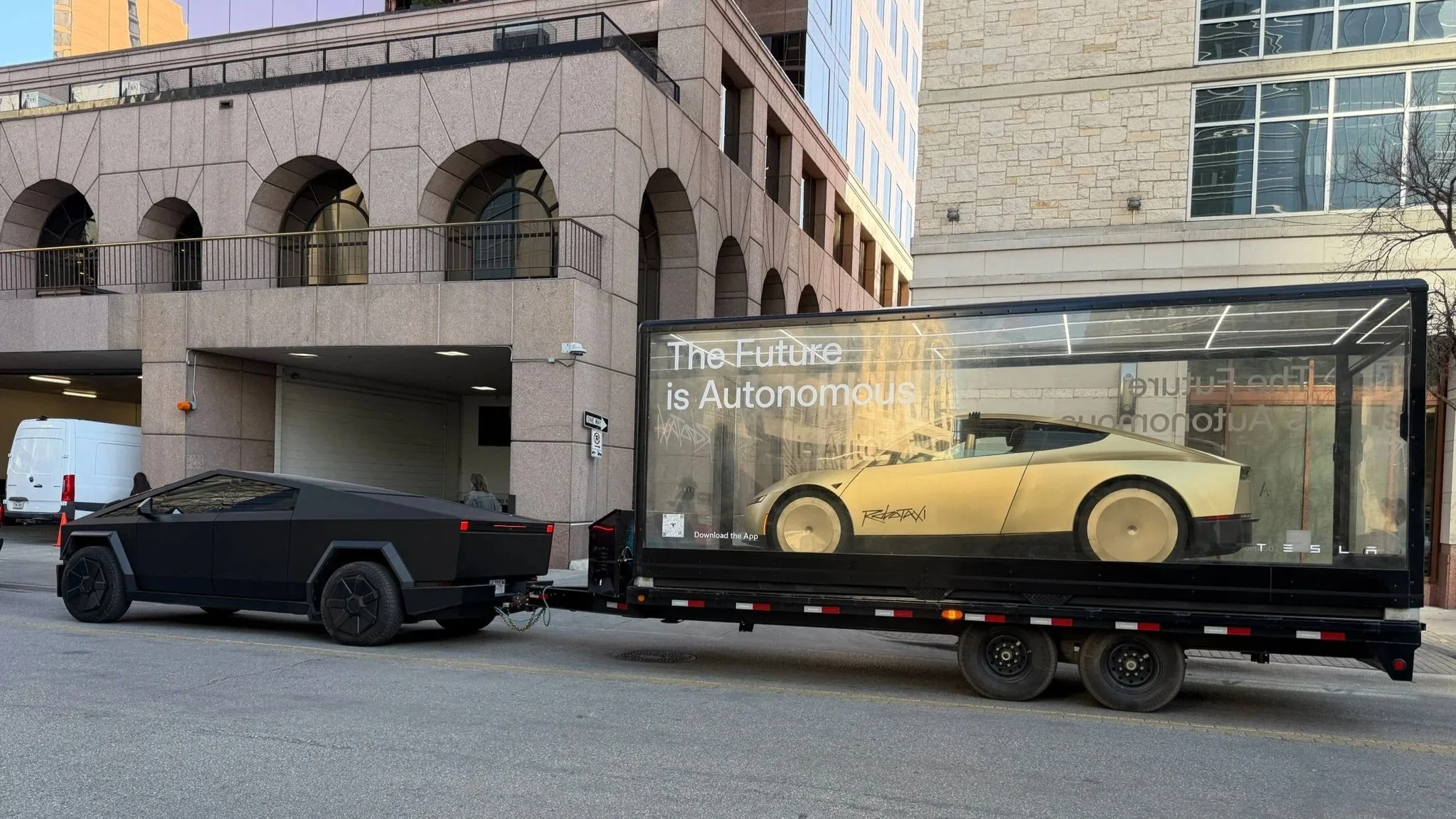
Tesla Cybertruck towing the Cybercab throw the streets
JBL developed the “Livebrary”, a sensory engagement space designed as an homage to their products, where interaction became inseparable from the experience itself. Sound wasn’t demonstrated, it was lived through live performances paired with premium product displays and listening stations with demos of sound tech exploration.
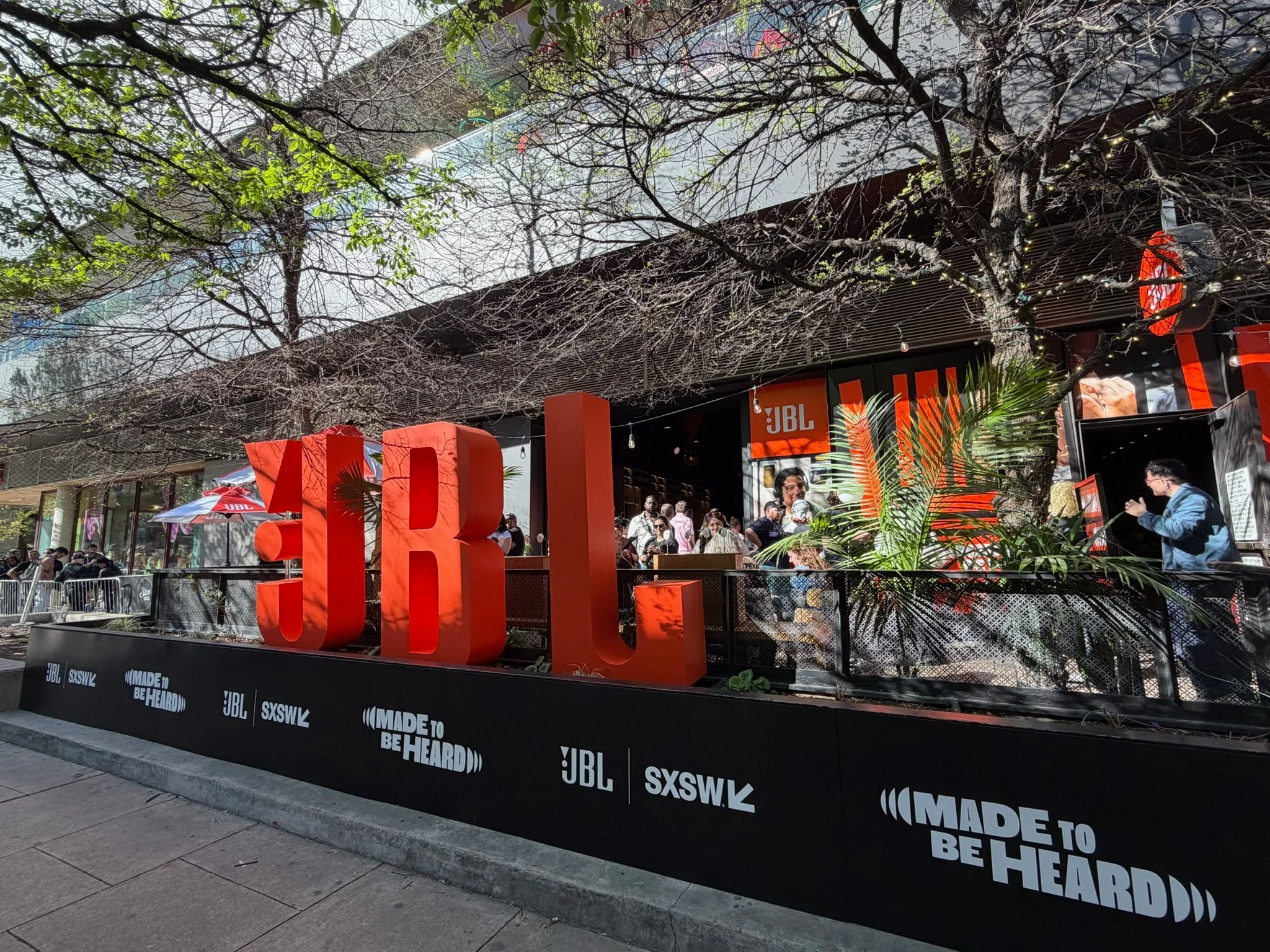
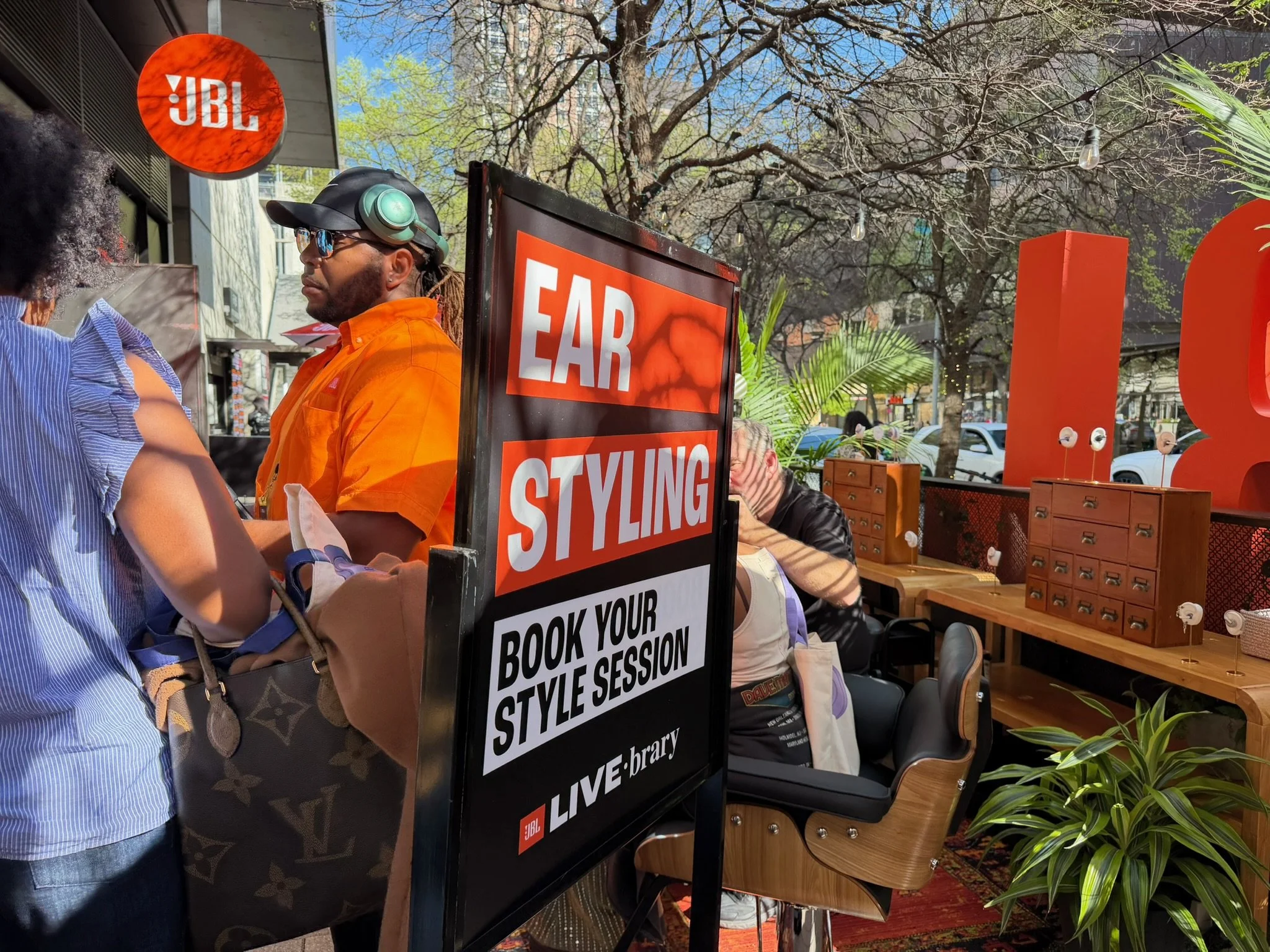
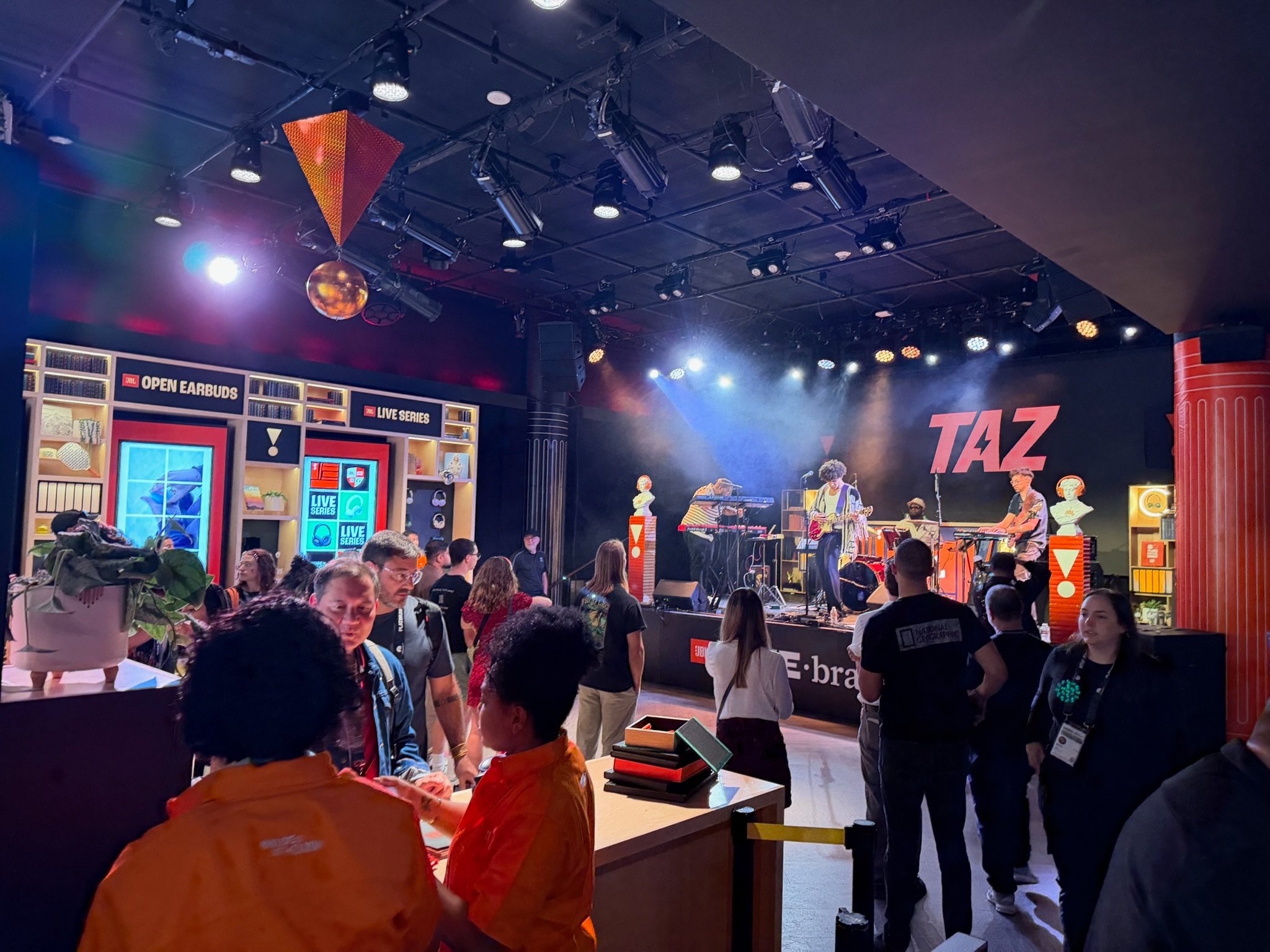
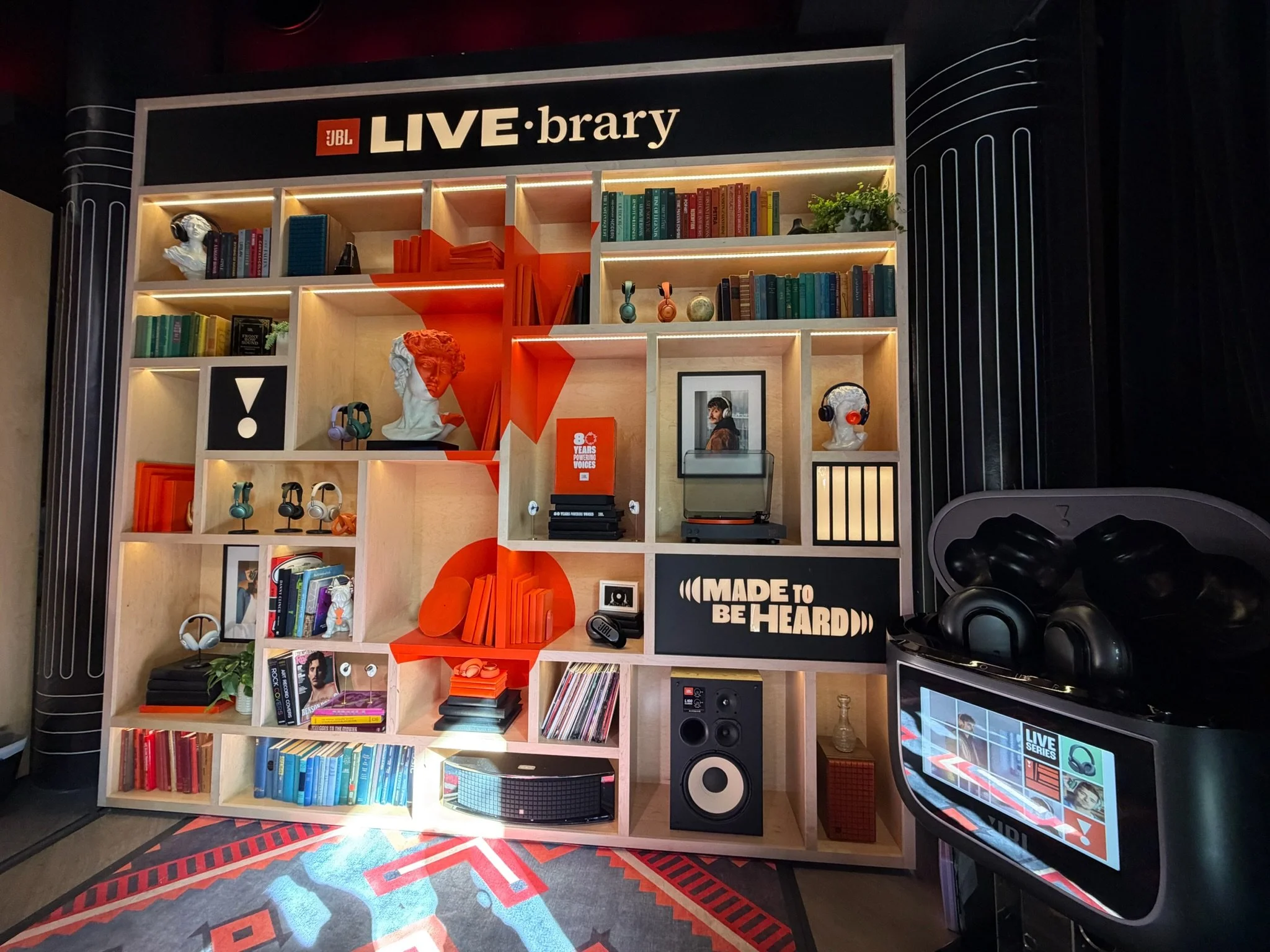
What these activations signals is a move toward product-as-experience as a scalable model. These weren’t one-off builds designed purely for SXSW, they are frameworks that can travel, adapt, and extend across markets. More importantly, they solve a fundamental challenge in experiential, closing the gap between awareness and understanding. Research by the Harvard Business Review drives home just how valuable fully connected customers are to a brand - on average, customers who are fully connected to a brand are 52% more valuable than those who feel highly satisfied (but are not fully connected). Data from Eventtrack 2026 echoes this with 64% of consumers are more inclined to purchase after a hands-on trial experience.
“Instead of telling people why something matters, these brands let them experience it directly. In doing so, they point to a maturing industry, one that’s shifting from spectacle to substance, where the most impactful innovation isn’t what we build around the product, but how we let the product speak for itself.”
Storytelling over spectacle
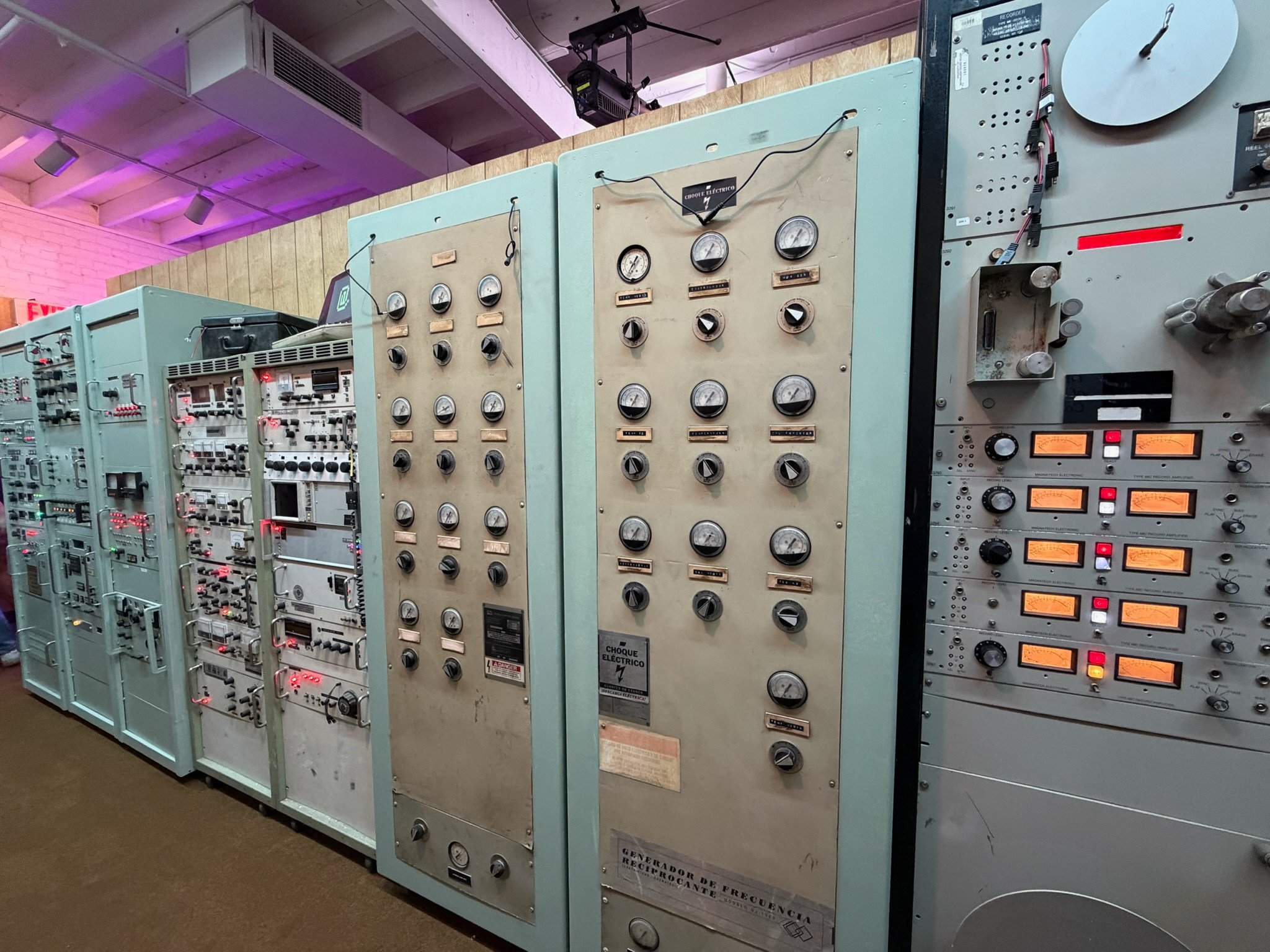
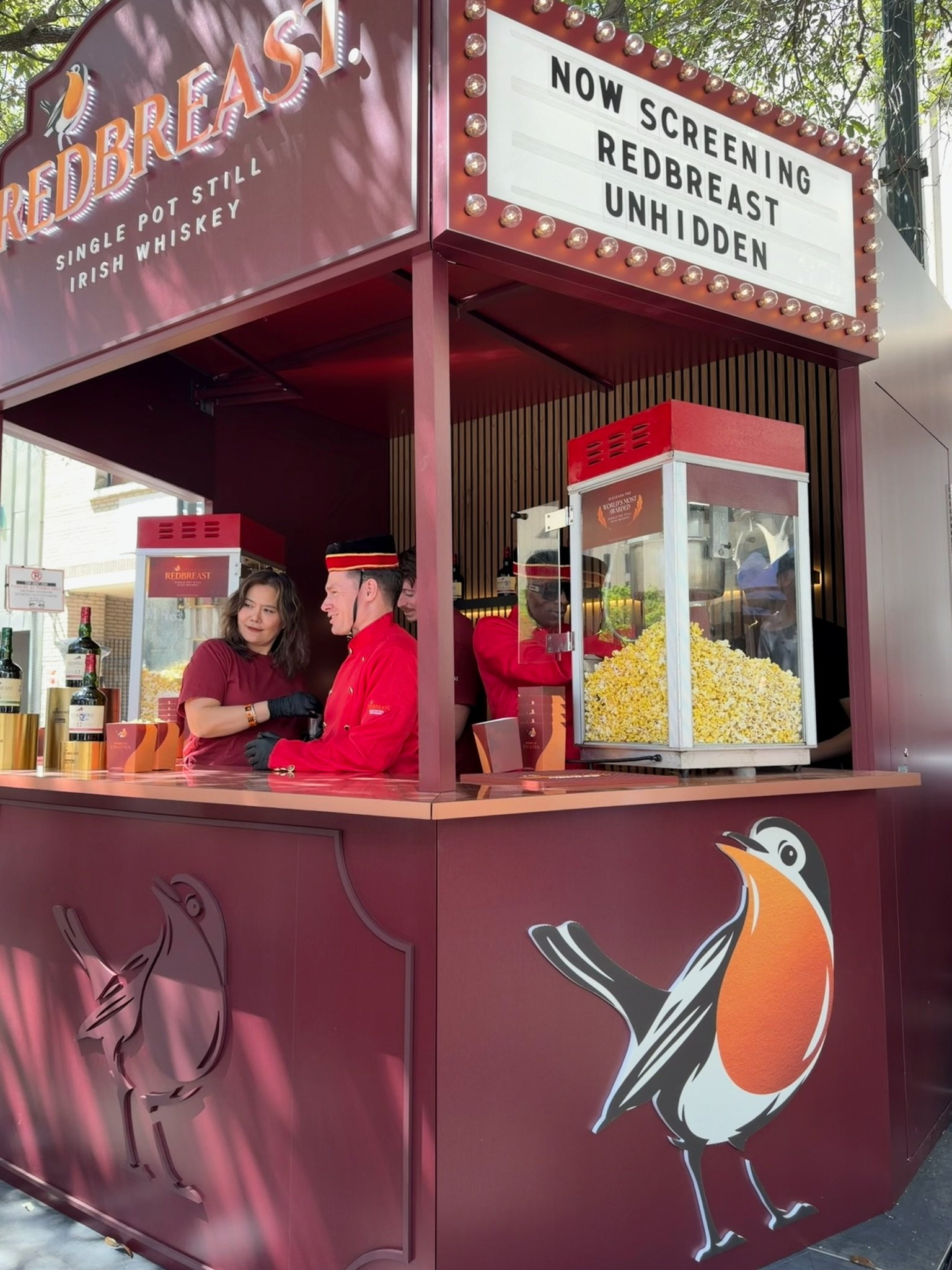
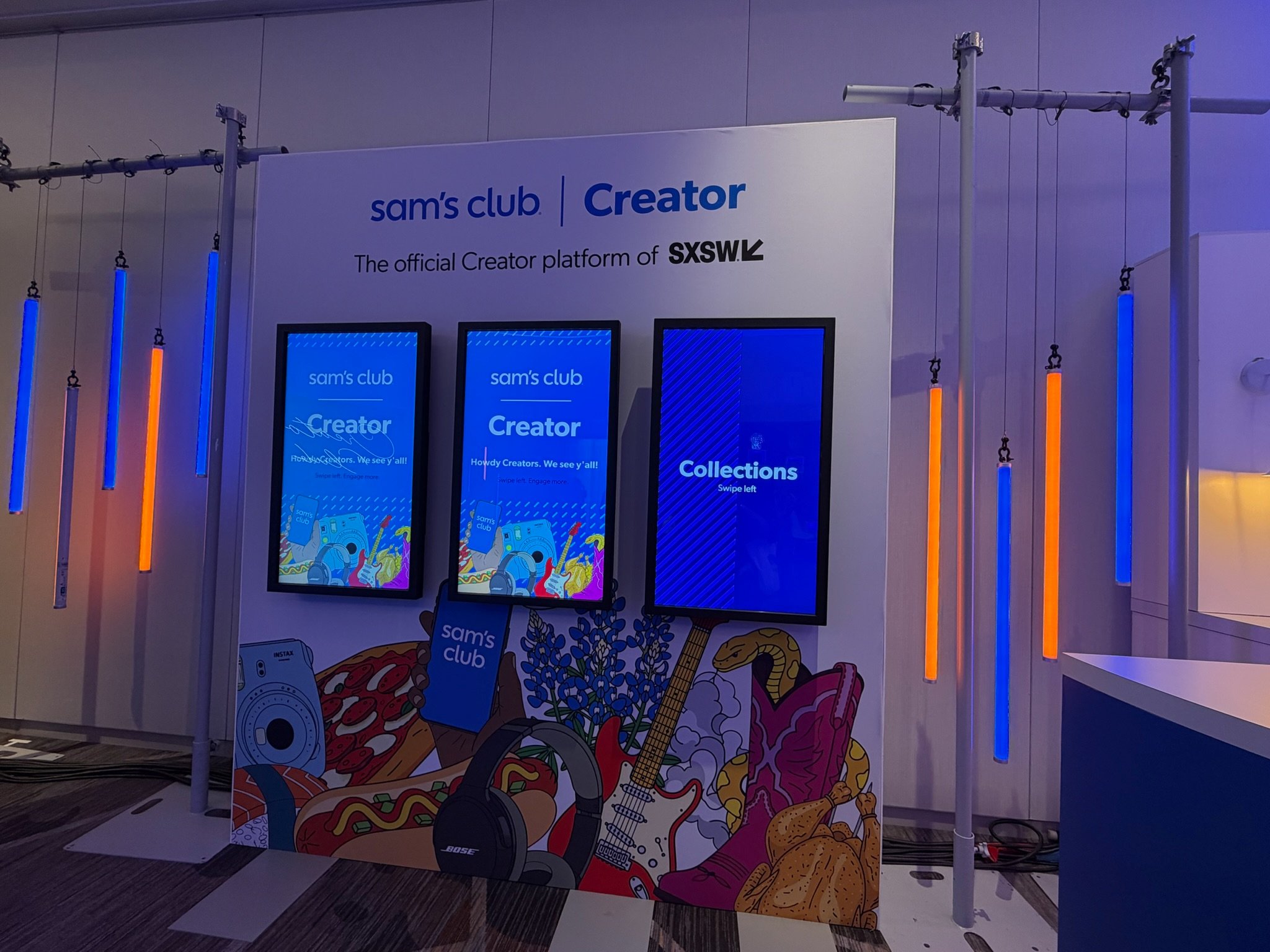
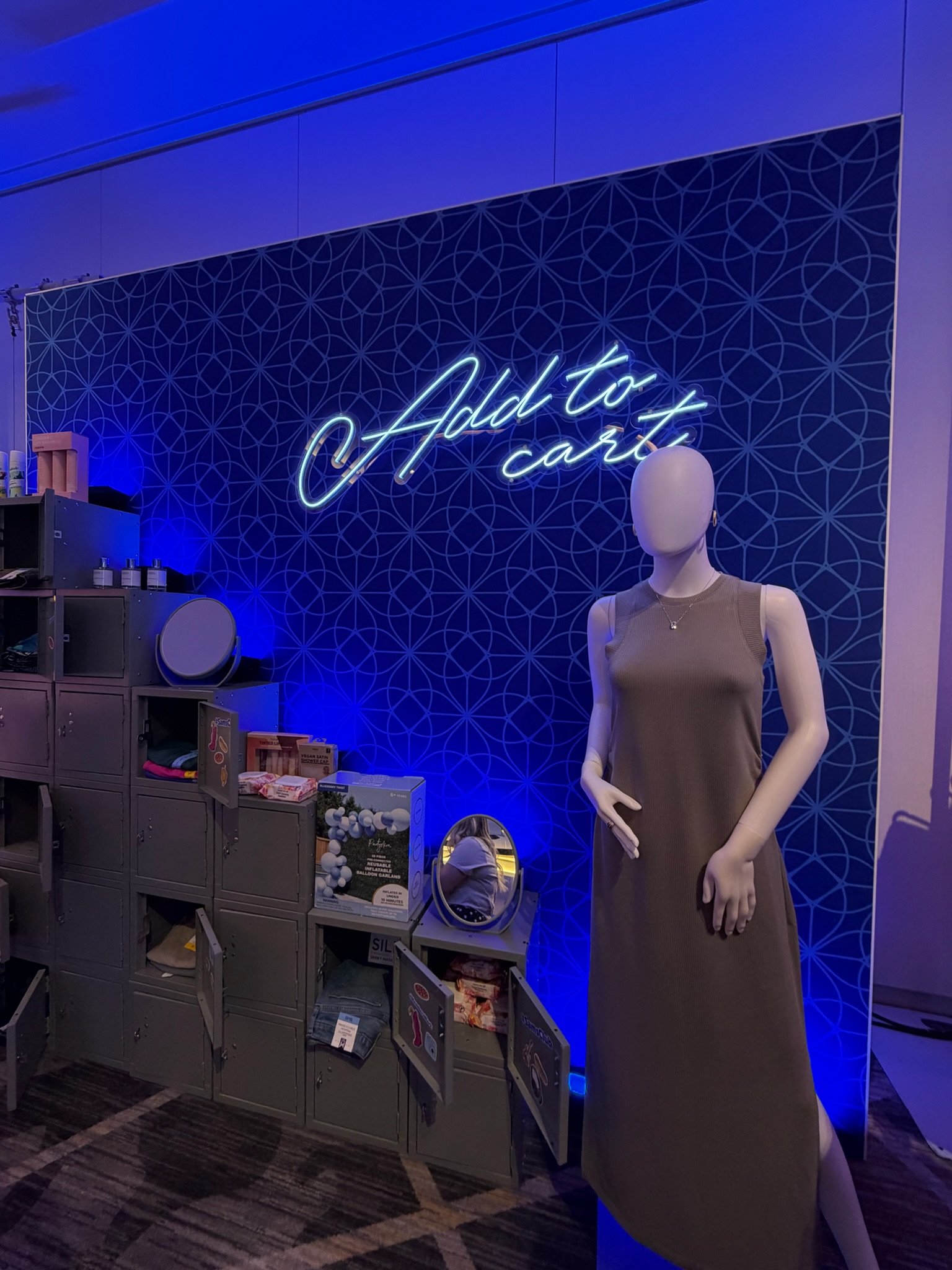
What emerged just as clearly this year was a shift toward experiences designed not just to impress, but to consider the human on the other side. Across brands like Superhuman, Redbreast, Sam’s Club, Yamaha, and IBM, the strongest moments weren’t about scale or spectacle, they were about how intentionally people were welcomed, guided, and made to feel.
Superhuman balanced stimulation with structure, giving attendees a clear narrative to move through while layering in moments of pause, conversation, and reflection. More than demoing the products, the “Epochs of Communication” immersive suite was a walk‑through narrative about how communication evolved, tying Superhuman’s own product story into a larger human progress arc.
Redbreast created a slower, more intimate pace, blending film, storytelling, and hospitality into a few spaces that encouraged people to linger, connect, and engage more thoughtfully. An “Unhidden Box Office” which included a tasting station with concierge‑style interaction and whiskey experiences tied to short films, a Redbreast “Unhidden Film Showcase” - a curated film series featuring award‑selected shorts paired with cocktails and conversation, and a speakeasy‑style “Unhidden Bar” acted as both gathering place and discovery hub for creatives, extending the brand’s artistic storytelling into a number of hospitality experiences.
Sam’s Club leaned into community-building, specifically for Creators, designing interactions that felt accessible and inclusive, meeting people where they were rather than asking them to decode the experience.
Yamaha, through sound and performance, also geared towards Creators, tapped into something more sensory and emotional, creating moments that weren’t just seen, but felt, with participation woven into the experience itself and the opportunity to put the products to the test.
IBM framed its experience in a racing mindset, using the world of Formula 1 to translate AI into something instinctive and human. Attendees were guided through how data becomes split-second decisions, turning abstract technology that can be complex into something you could feel, not just understand. IBM showed that the real power of AI isn’t just the engine, it’s how people use it.
Together, these approaches focused on human-centred design as a baseline, not a bonus.
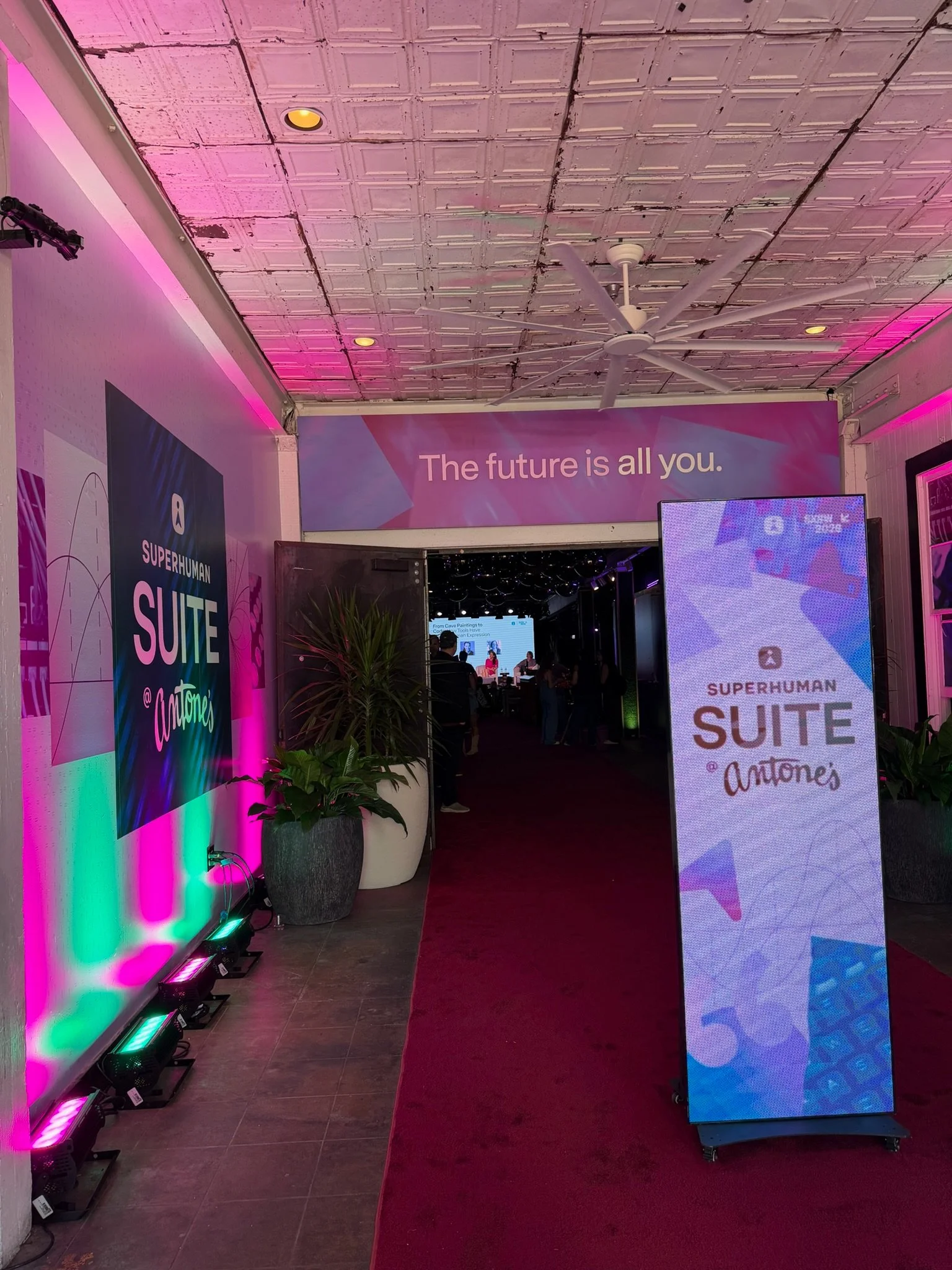
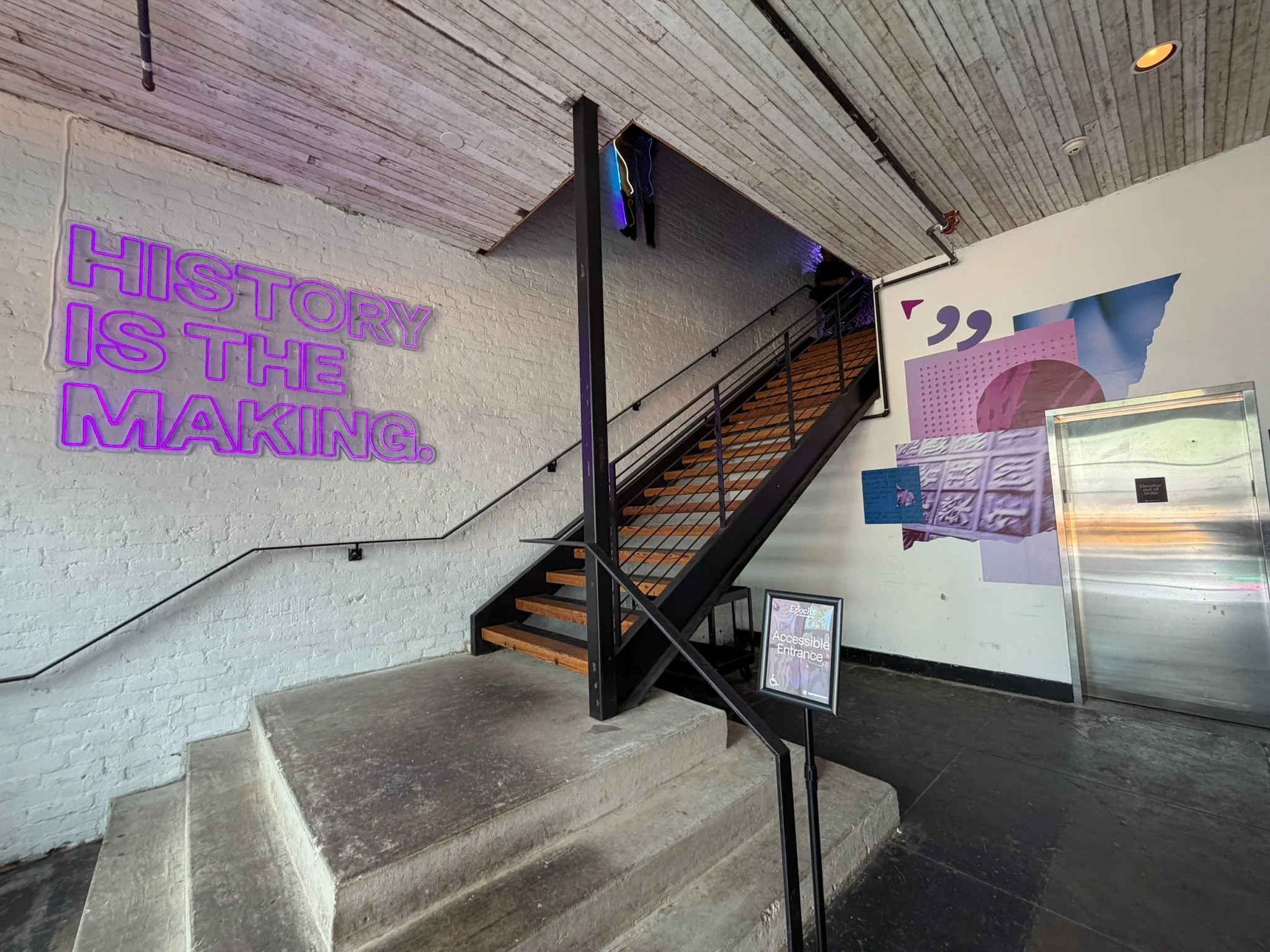
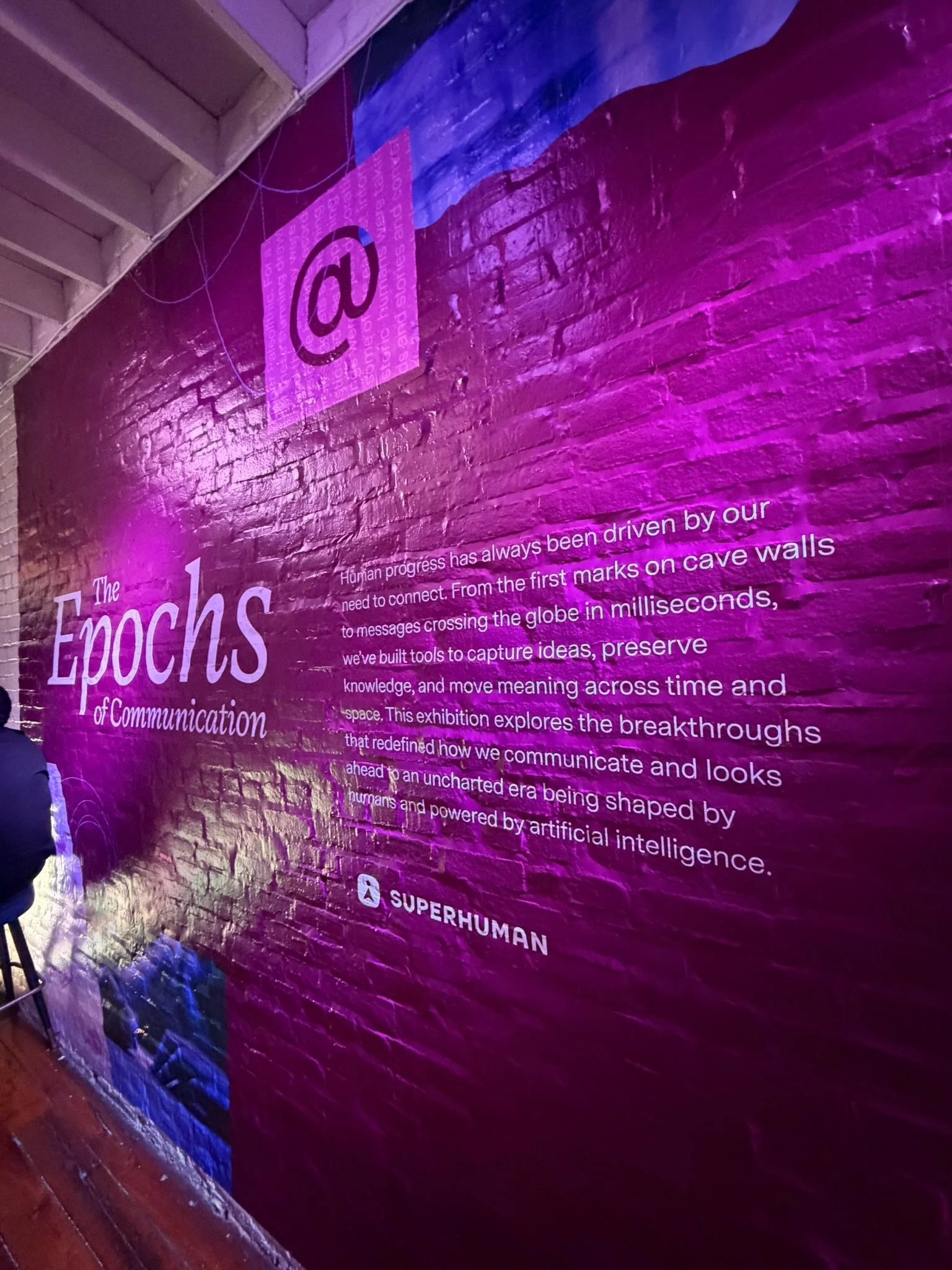
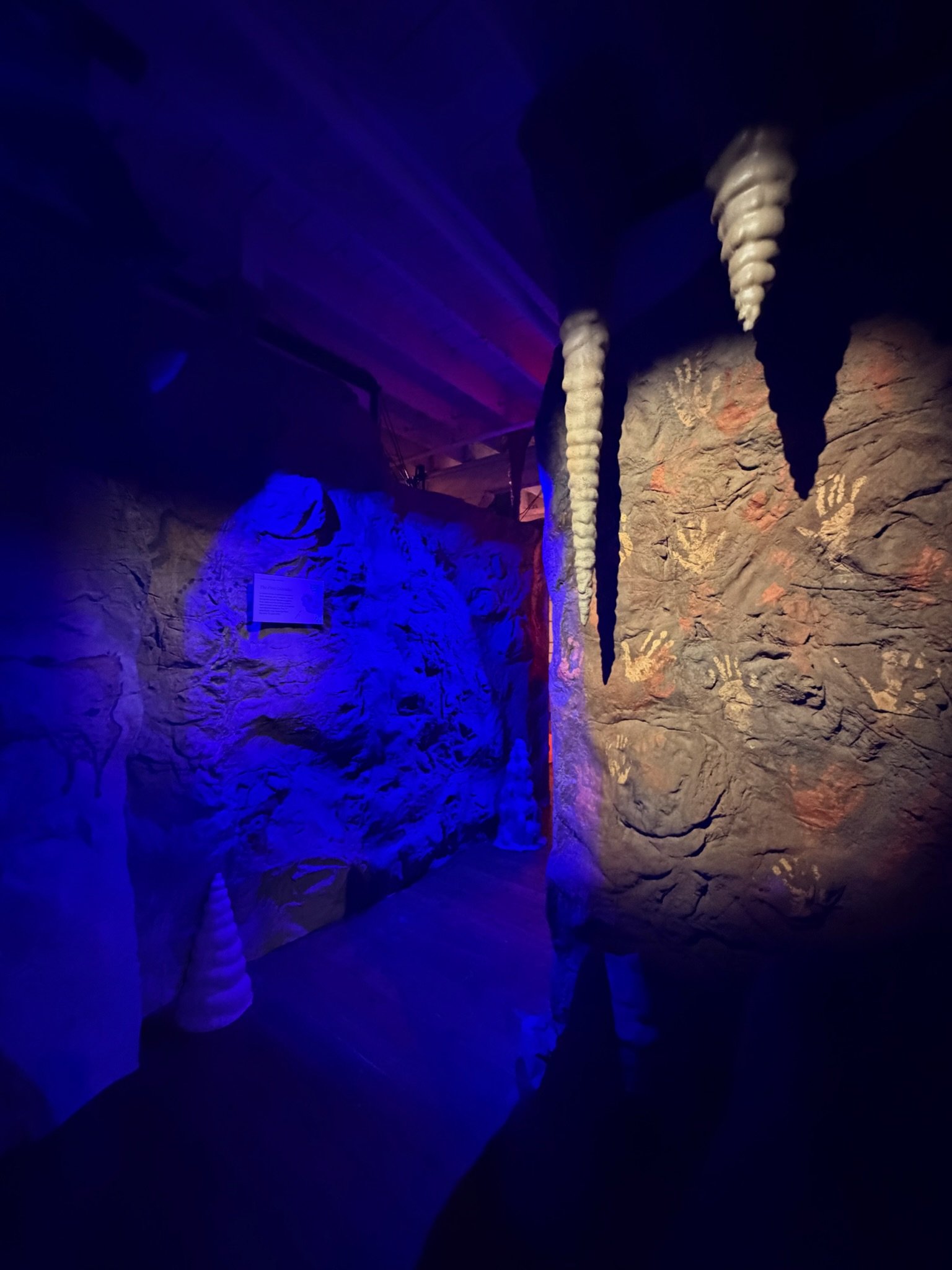
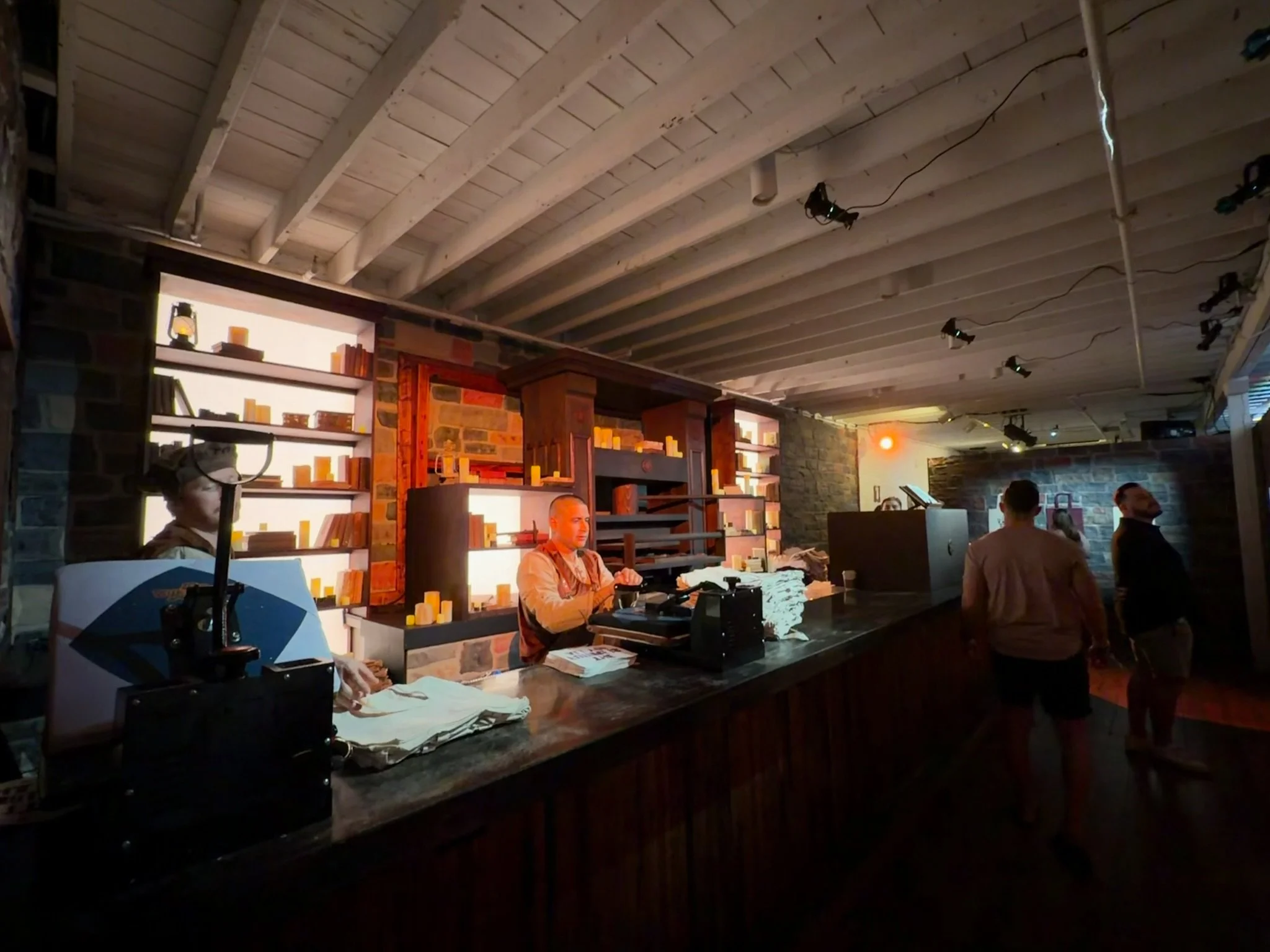
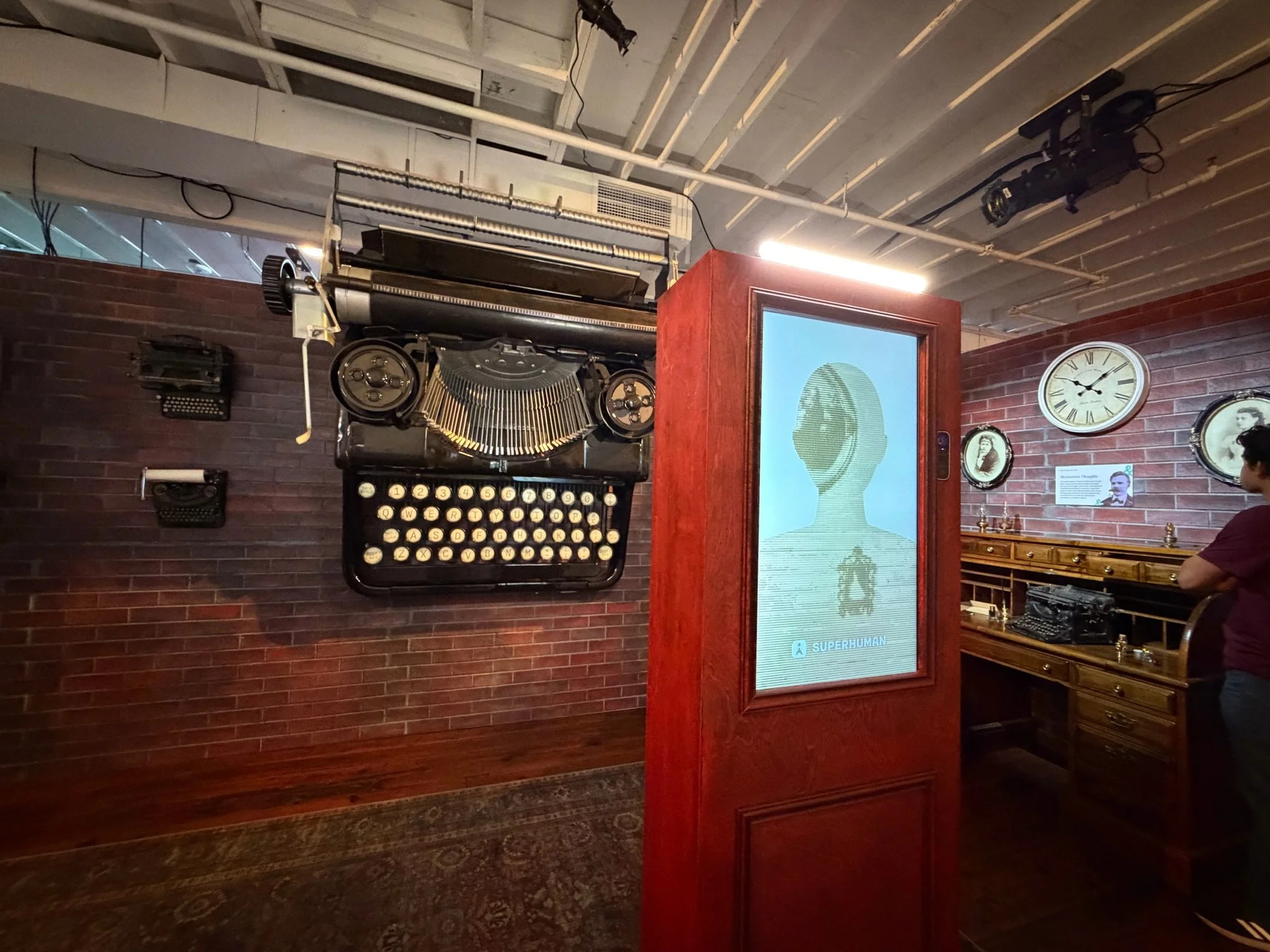
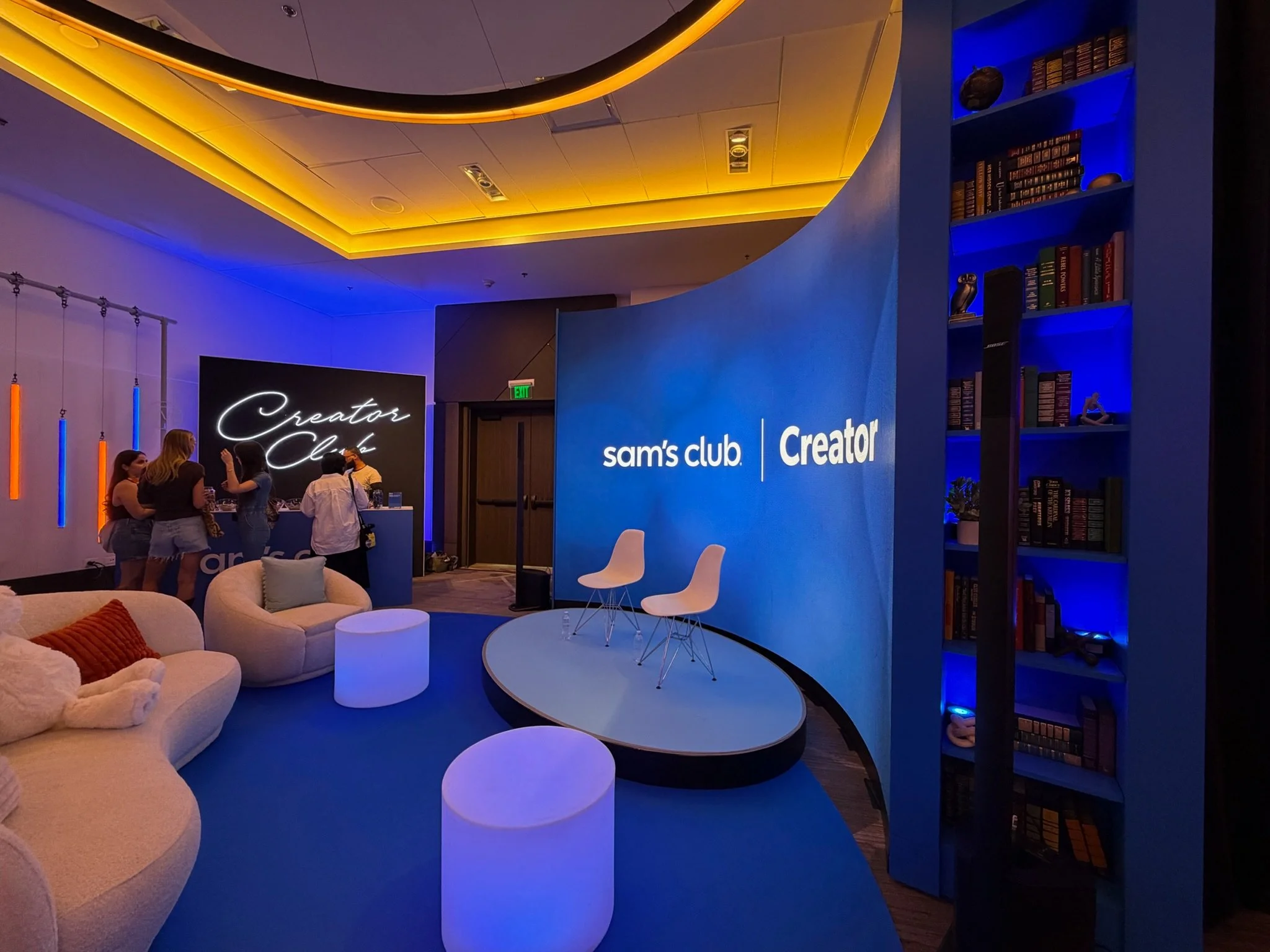
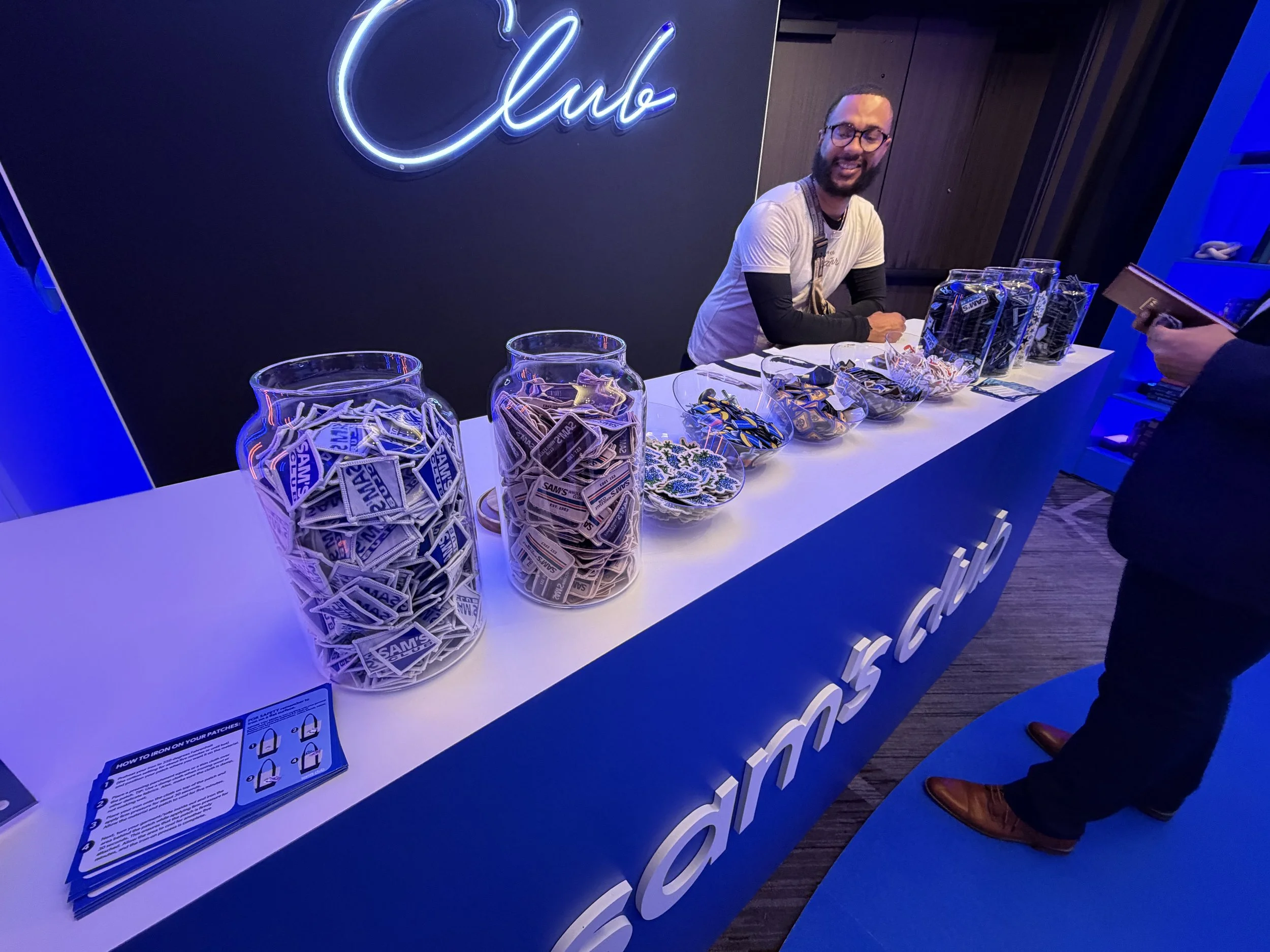
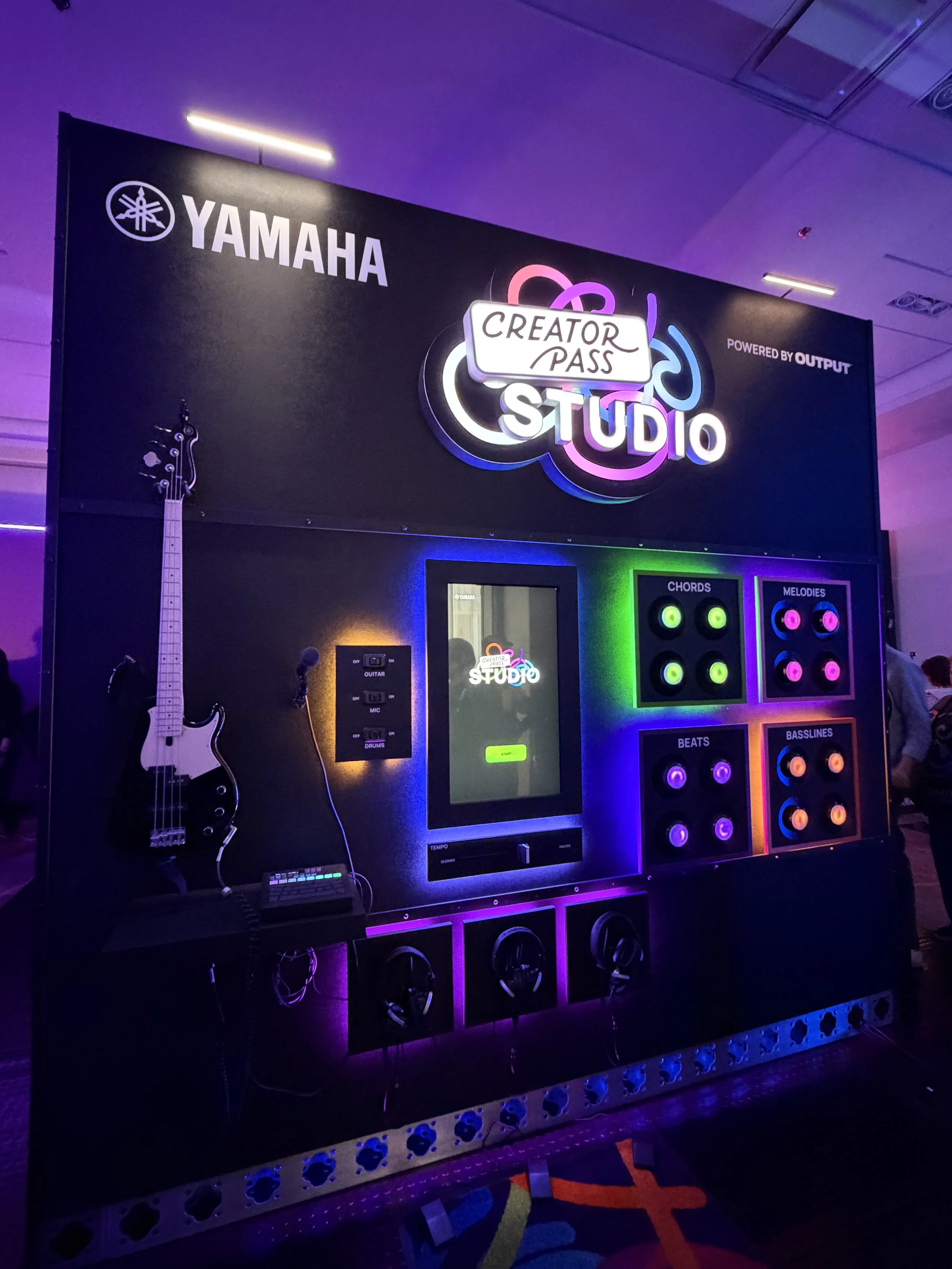
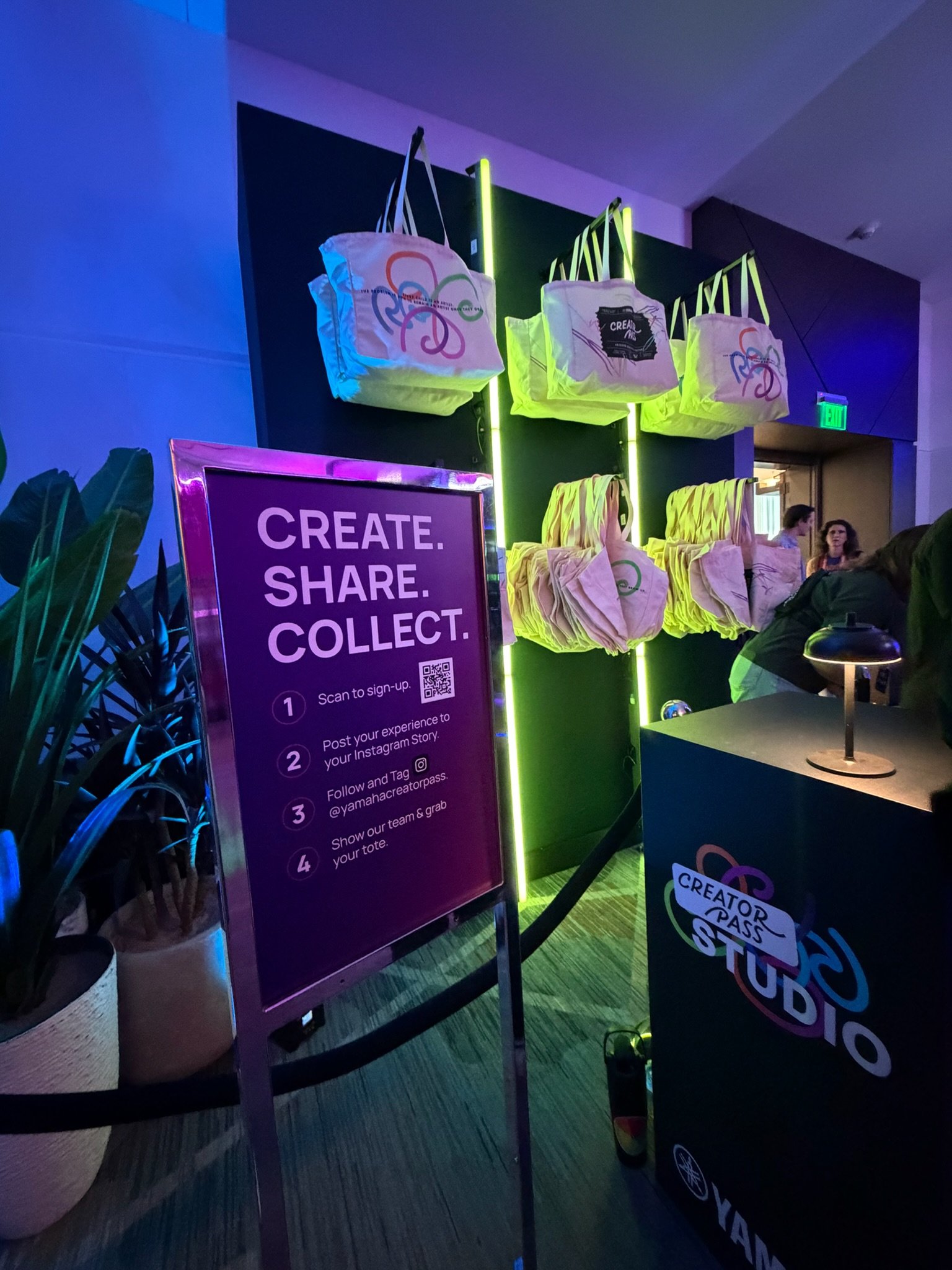
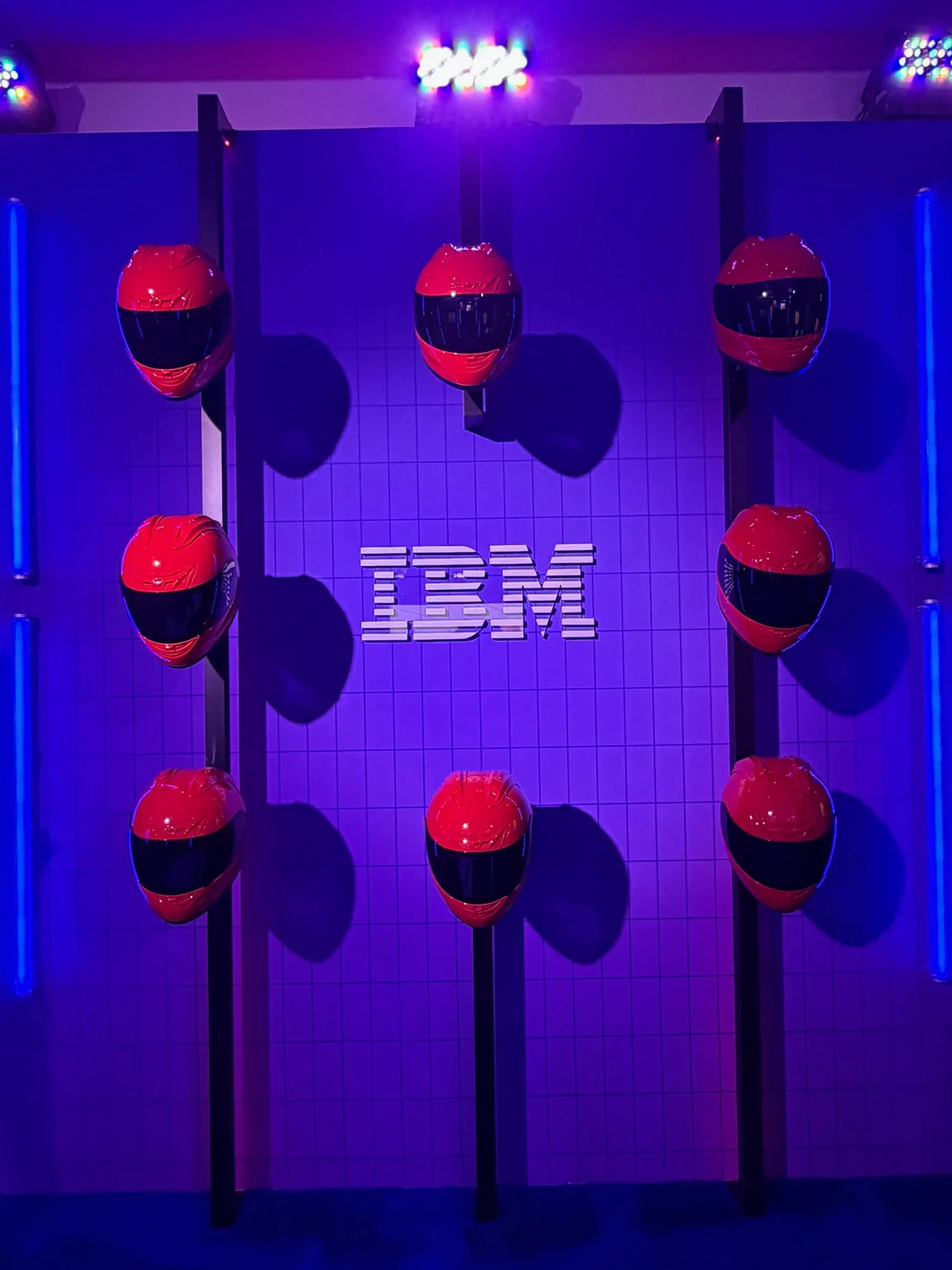
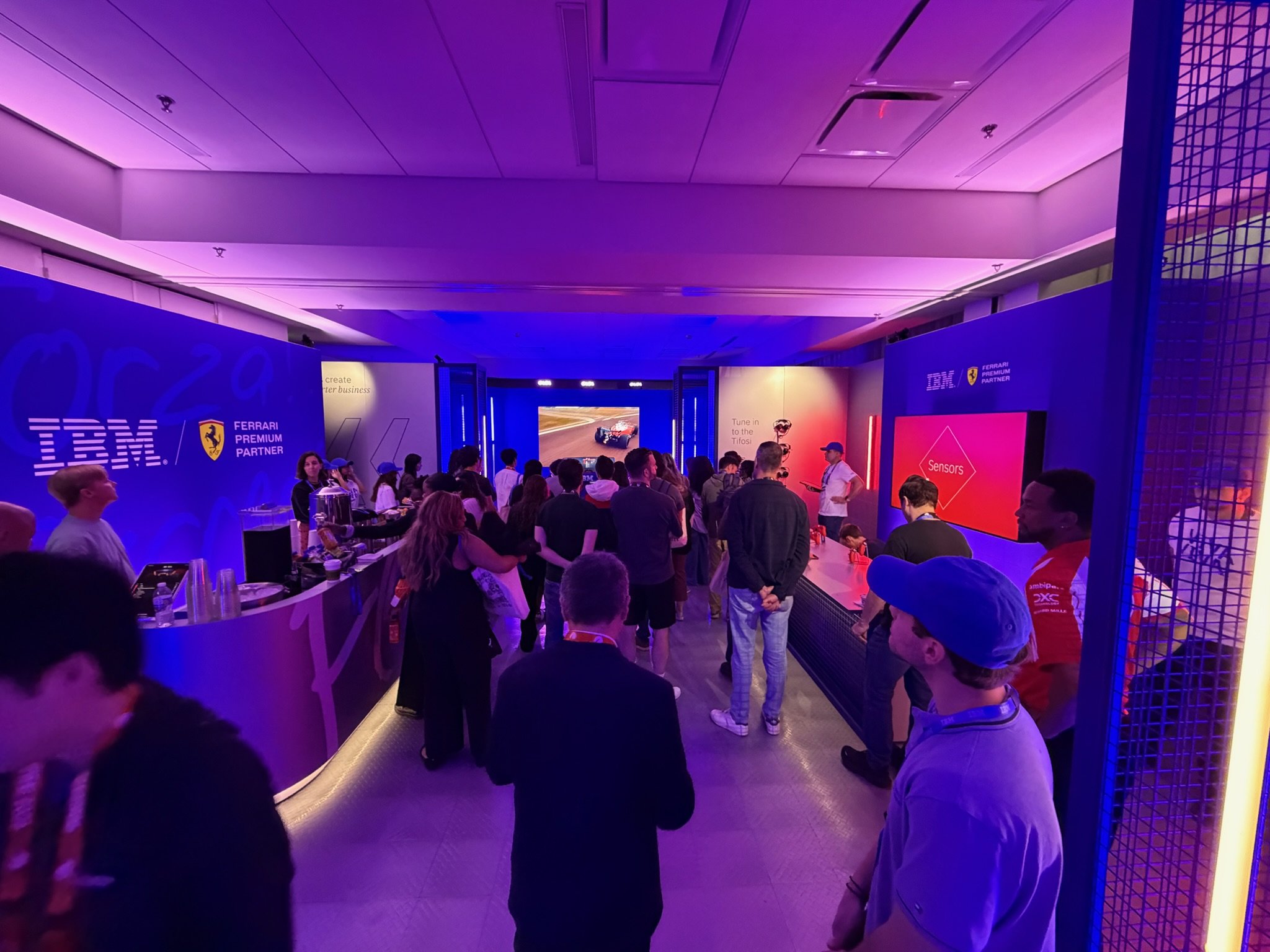
“These weren’t environments built for throughput, they were built for people. And in doing so, they demonstrate that designing for emotion, comfort, and connection isn’t just good practice, it’s what makes an experience truly resonate.”
While some brands got this right many others are still falling short. Incredibly, while 97% of marketers say humanising the brand is important, only 26% believe they’ve managed to do so effectively according to a study by Allison + Partners. The gap is especially obvious in environments like SXSW.
What didn’t work this year at SXSW
Over-reliance on familiarity to drive engagement
And just as clearly, there were experiences that missed the mark, not because they lacked investment, but because they lacked evolution. Several prominent entertainment brandsleaned heavily on familiarity, building environments rooted in recognizable IP or aesthetics. Too often, these translated into glorified photo moments rather than fully realized experiences.
Walking through each, you knew exactly what you were looking at, but not necessarily why you were there beyond capturing it. There was little in the way of deeper participation, new storytelling, or meaningful interaction that extended beyond the visual. Familiarity might draw people in, but it doesn’t hold them. The opportunity isn’t just to recreate what people already know, it’s to give them a new reason to care.
Surface-level activations
There were plenty of activations in name. Far fewer in substance. Common patterns across the conference included:
Photo-first design with no deeper interaction
No clear narrative or progression
No meaningful takeaway
No connection back to product or story
And ultimately, no reason to stay. This matters more than ever as trust and preference aren’t built through exposure, they’re built through experience.
What broader patterns emerged?
SXSW 2026 revealed several consistent patterns in how people engaged with experiences.
1. The festival itself felt uncertain
There’s a sense that brands are still figuring out how they want to show up and when the platform feels uncertain, brands reflect that. Without a central hub as the Austin Convention Center undergoes construction:
Experiences felt more spread out
Discovery felt harder
The overall week felt less cohesive
2. Bigger wasn’t better
The most telling part of the week is what people actually responded to. Not the biggest builds but the most intentional ones, for example:
A Tesla robot serving cocktails
A flash mob moving through the streets
Simple. Unexpected. Human.
3. Staff made or broke the experience
What truly made or broke some of the activation were the people running them. When staff lacked energy or engagement:
Experiences felt flat
Investment felt wasted
4. Creator-first design is influencing execution
A noticeable portion of SXSW was built for creators:
Visual-first environments
Short-form interactions
Shareable moments
While this drives reach, it can reduce depth if overused.
What do these patterns signal for brands?
Brands need to move beyond presence and focus on clarity, intention, and meaningful engagement to create experiences that resonate.
A few clear patterns emerged:
Experiences are moving from passive viewing to active participation
Product integration is becoming central
Human-centred design is expected, not optional
Simplicity is outperforming complexity
Connection with the experiences isn’t coming from doing more, it’s coming from doing something that actually means something.
What should brands do next?
SXSW 2026 wasn’t a failure, but it was a signal: showing up isn’t enough anymore.
The brands that stood out:
Had a clear reason to exist
Designed for people, not just visibility
Created something worth engaging with
Right now, too few are doing that.
What makes a successful experiential marketing activation in 2026?
A successful activation creates active participation, emotional engagement, and clear brand understanding. It goes beyond visual appeal by allowing audiences to interact with the product or story in a way that is memorable, useful, and easy to connect with.
FAQ
-
The biggest takeaway from SXSW 2026 was that intentional, human-centred experiences outperformed large but unclear activations. Brands that focused on participation and clarity created stronger engagement and were more memorable.
-
Many activations felt underwhelming because they focused on visuals and familiarity without offering deeper engagement. Without interaction or a clear narrative, there was little reason for people to stay or connect with the brand.
-
The best activations combined hands-on interaction, clear narratives, and emotional engagement. They allowed people to actively participate, making the experience more memorable and easier to understand.
-
Yes, expectations are changing as audiences look for more meaningful and interactive experiences. People are less interested in passive viewing and more focused on participation and relevance.
-
Product integration is critical because it helps audiences understand and experience the brand directly. When done well, it closes the gap between awareness and understanding, making the brand more memorable.