April Fools’ PR Stunts: 5 Strategies (and How to Get Them Right)
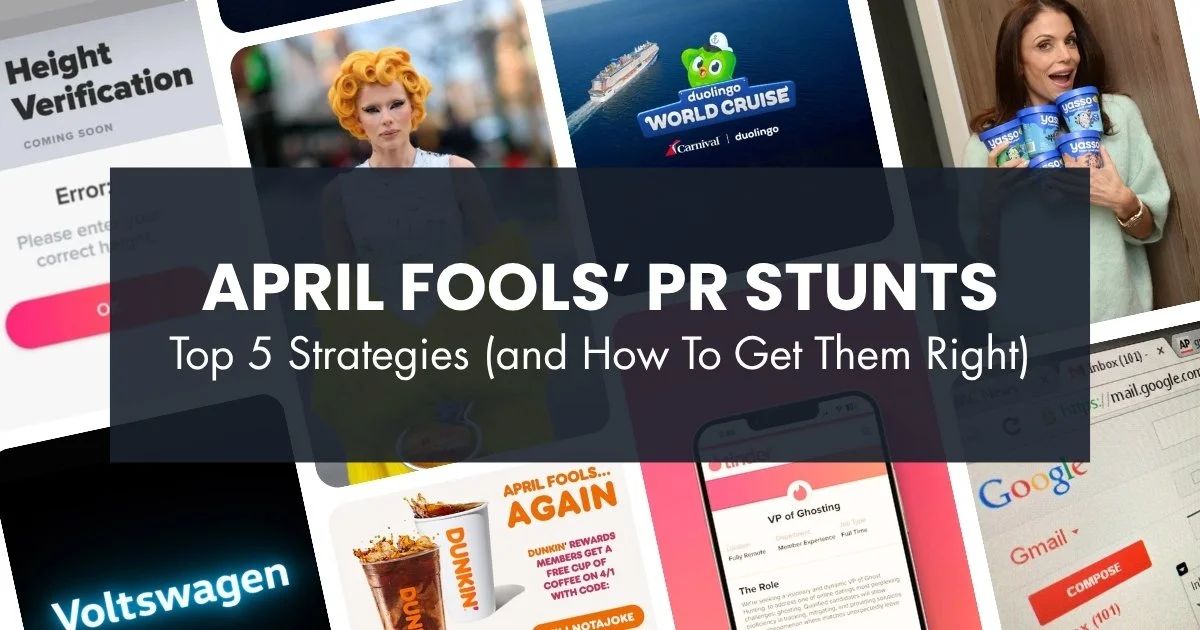
April Fools’ Day has always been tempting for brands. It’s one of the few moments in the calendar where you’re allowed to loosen up, have some fun and show a bit of personality. It has also always been risky. The same things that makes it appealing - surprise, unpredictability, bending reality - are the same things that can backfire if misjudged. That tension hasn’t changed. What has changed is the environment it lands in. Audiences are more sceptical. Trust is lower. The internet already feels crowded with things that aren’t quite real. That raises the bar for what’s worth people’s attention. The best campaigns reward trust rather than undermine it. They create curiosity without causing negative real-world consequences. They are rooted in recognisable behaviour, not random ideas. They give the audience something of value, not just a joke. They fit the brand, rather than forcing a tone that doesn’t belong. If you’re going to show up on April 1, the question isn’t whether you can be clever. It’s whether you should be there at all, and what your audience get back from the experience if you are.
Table of Contents
April Fools’ Day used to be simpler. You put salt in the sugar bowl, taped a sign to someone’s back, had a laugh, moved on. The origins are still debated. Some link it to calendar changes in 16th century France. Others to older spring traditions built around mischief and reversal. Whatever the roots were, the common theme was small-scale, personal pranks. That old spirit is still there, sort of. But April 1 now lands in a very different world. People are busy. They’re distracted. And they’re constantly being bombarded with fakeness. Fake news. Fake content. AI generated everything. Consumers are already second-guessing what they’re seeing online. Then on 1 April, brands add another layer. That means the bar is higher than it used to be. Consumers are already more sceptical of what they see online, which changes how these campaigns land. Pranks can (and do) still work but the question brands ask shouldn’t be “is it funny?” anymore. It should be “is it worth interrupting people for?”
Nobody opts in to April Fools’ Day. You don’t get to choose whether you’re “in the mood” for April Fool’s Day. You’re in whether you like it or not. You wake up and it’s already everywhere. Your feed, your inbox, your group chats, your Slack channel, your news alerts. That changes the responsibility for brands. They have to think harder about the kind of experience they’re creating. There’s a difference between catching someone off guard and making their stomach drop in the middle of a busy day. There’s a difference between a joke that rewards attention and one that makes people feel a bit foolish for paying any.
“Consumers don’t wake up on 1 April and suddenly become more tolerant of disappointment. If anything, brands need to be more thoughtful because people are already sceptical of what they see online.”
What makes a successful April Fools’ marketing campaign?
A successful April Fools’ marketing campaign creates curiosity without breaking trust. The strongest campaigns feel intentional, align with brand tone, and give the audience something in return, whether that’s entertainment, value, or a meaningful interaction rather than just a one-off joke.
Most April Fools’ campaigns fail because they prioritise the joke over the audience. When campaigns mislead too far, lack relevance, or offer no real value, they leave people feeling disappointed rather than entertained, which can damage trust in the brand.
The best April Fools’ campaigns tend to do one of a few things well. They delight people. Or reward them. Or test an idea people wish was real. Or turn a joke into something useful. The worst ones tend to do the opposite. They disappoint people, confuse them, mislead them, or ask for attention without giving much back. Treating April Fool’s like a free pass to be clever isn’t the smartest approach, it’s probably the opposite. Whatever the PR stunt or campaign is, it still has to be worth your audience’s attention.
Instead of another list of “funny brand pranks”, it makes more sense to look at the patterns. The strategies brands use, where the strategies were executed brilliantly, where they weren’t and what that says about experiential thinking now.
1. The giveaway that looks too good to be true
Where brands reward belief… or punish it
The fake giveaway approach on April Fools is simple enough on the surface: A brand puts something generous on the table and lets people wonder if it can possibly be real. Executing this approach in a meaningful way? Not so simple.
BMW New Zealand did this brilliantly in 2015. The brand ran a front page newspaper ad saying the first person to show up at a dealership with the ad and their current car would get a brand new BMW. Most people assumed it was a prank. One woman, Tianna Marsh, took the ad at face value, showed up in her 15-year old station wagon at 5:30 in the morning and drove off in a brand new BMW 1 Series with the license plate “NOF00L”. The PR and reputational benefits generated by this PR stunt paid for that car a few times over. The story travelled internationally with good news features on major news networks like ABC news and CBS News, because it flipped the usual April Fools logic. Had it stopped at the ad, it would have been a cute trick. Once someone really won, it became a story. You had tension, disbelief, a real world payoff and a very neat brand message in one go. Reward curiosity. Reward nerve. Reward the person willing to chance it.
The weaker version of the same move came from ShopBack Singapore in 2022. The company teased a Land Rover giveaway, but the “prize” turned out to be a miniature toy version. That’s a letdown, not a laugh and a lesson in how not to do it. It sets people up for something big and then gives them a ridiculous consolation prize.
Key takeaway for brands:
Reward trust, don’t punish it. BMW gave people wonderful surprise. ShopBack gave people an emotional drop. One makes the audience feel good for engaging. The other makes them feel they shouldn’t have bothered and is reminiscent of the boy who cried wolf - eventually no-one trusted him anymore. Even though the impact on consumer trust may be perceived as small and brands may assume it would be laughed off in the spirit of April Fool’s, is it really worth risking any trust erosion?
“If you build something up and then pull it away, that’s not a joke. That’s disappointment. And people remember how you made them feel far more than what you said.”
2. The believable announcement
The most common strategy and the easiest to get wrong
This is the classic modern April Fools’ PR stunt. Make the thing believable enough that people pause. Not so believable that you create negative real-world consequences. That’s the trick. And, as ever, some brands judge that line far better than others.
Duolingo and Carnival got the tone of this right in 2025 with the “Duolingo World Cruise”, a five year voyage across 195 countries built around language immersion, cultural experiences and Duolingo’s slightly unhinged owl energy. It was obviously absurd, but it also sat close enough to both brands to feel possible for a second. And, if we’re honest we actually wish this one was for real! Again, great press coverage across major publications and to make sure it didn’t just hang there as a one-and-done promo that didn’t offer anything meaningful, Duolingo backed it with limited-edition merch and two real offers: a month’s free subscription to the Duo Lingo app and special offers on actual Carnival cruises.
Volkswagen’s “Voltswagen” stunt in 2021 is the cautionary version. The company announced a supposed rebrand to underline its electric ambitions. The problem was not only the idea. It was the timing and the context. The announcement came before April 1, news outlets reported it as real, and to make matters worse, senior executives at the brand confirmed the rebrand as real to some of the top journalists around the world instead of just acknowledging that it was a prank that had leaked a bit early. Their share price increased by 12.5% at one point off the back of the rebrand press release then fell by over 5% to close at $35.58 on 1 April 2021 after the prank was revealed to be a marketing stunt. In the wake of the disaster investors filed lawsuits and the SEC launched a probe into the brand. The stunt was always risky and then on top of it, the execution completely fell flat.
Often cited as a classic example of what not to do, the 1996 Taco Bell Liberty Bell PR stunt deserves a more nuances read than it usually gets. On one hand, people were upset. The National Park Service had to publicly deny the deal. In Philadelphia especially, it touched a nerve because the Liberty Bell is not just any landmark. On the other hand, the stunt worked in commercial terms. It spread far beyond advertising circles, pulled in national media attention, and reportedly drove a sharp bump in sales over the next two days. That makes it neither a clean win nor a clean failure. It is a very good reminder that a stunt can produce strong business results and still leave people feeling irritated.
“Taco Bell is a good example of a prank that worked on paper and still left a bad taste. That’s what makes it interesting. Reach and reaction are not the same as affection.”
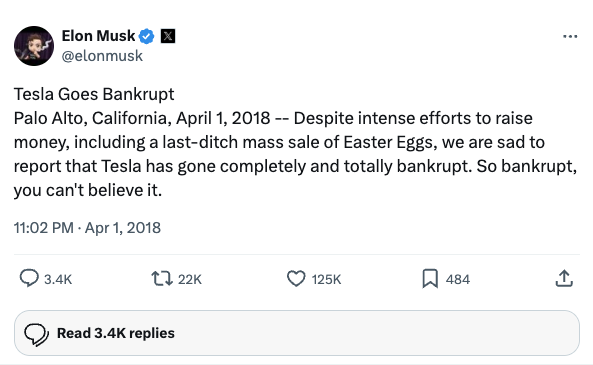
Although not as big a disaster as Voltswagen, Tesla’s 2018 bankruptcy joke is what happens when a brand takes a real anxiety and pushes it in completely the wrong direction. Elon Musk tweeted that Tesla had gone “completely and totally bankrupt” after a bruising month for the stock and amid questions about production, cash and pressure on the business. Investors were not laughing and that the stock fell as much as 8.1% that Monday. You can see why. If a joke sits on top of something people are already genuinely worried about, it does not feel bold. It feels reckless and tone deaf.
Key takeaway for brands:
Believability is useful if it creates curiosity. But there’s a fine line. You want people to stop and think “hang on a second…”, you don’t want them making financial or major decision based on it. So pressure test it before it goes live:
Could this be picked up as real news?
Would a customer, investor, the media act on this immediately and what would the risk of that action be?
Is the reveal obvious enough and soon enough to not be considered misleading?
Are internal team aligned on what is and isn’t being said publicly?
If the answer to any of these questions is yes, you need to dial it back because once it’s out it’s out and you don’t control how it spreads.
3. The fake product
Where jokes start to overlap with real product thinking
The fake product approach to April Fool’s brand pranks has exploded in the last few years. Some of it is lazy. Some of it is very smart. In a nutshell, you put out a fake product or feature, see how people react, and some brands even use the reaction as a read on whether the thing should exist for real.
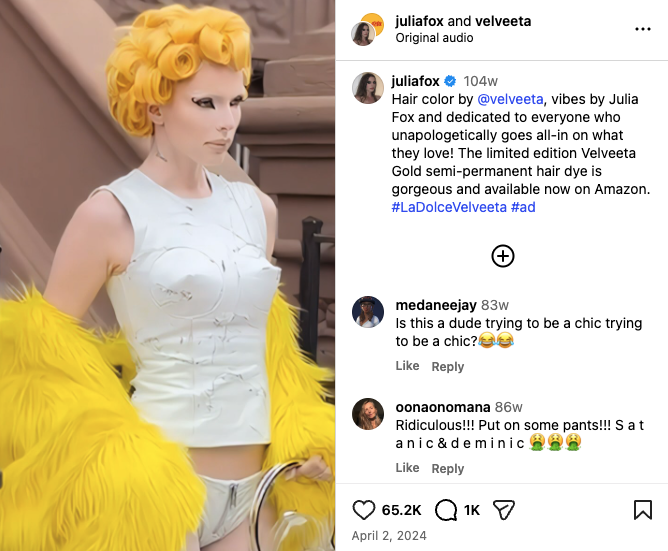
Velveeta Gold hair dye from 2024 is an interesting example which garnered a lot of engagement and media attention. On paper, cheese-coloured hair dye sounds like one of those ideas that should die in a brainstorm. But Velveeta committed to it. There was a real limited-edition product, real packaging and a very visible Julia Fox moment courtside at a Knicks game. Kraft Heinz positioned it as part of the wider “La Dolce Velveeta” platform rather than a one day random act. It made the joke feel complete, not tossed off. And, although we don’t expect Velveeta Gold hair dye will remain a thing, once a fake product becomes a real, even in relatively tiny numbers, you have moved beyond prank territory. Now you are testing appetite and creating opportunities for potential product line extensions and brand growth.
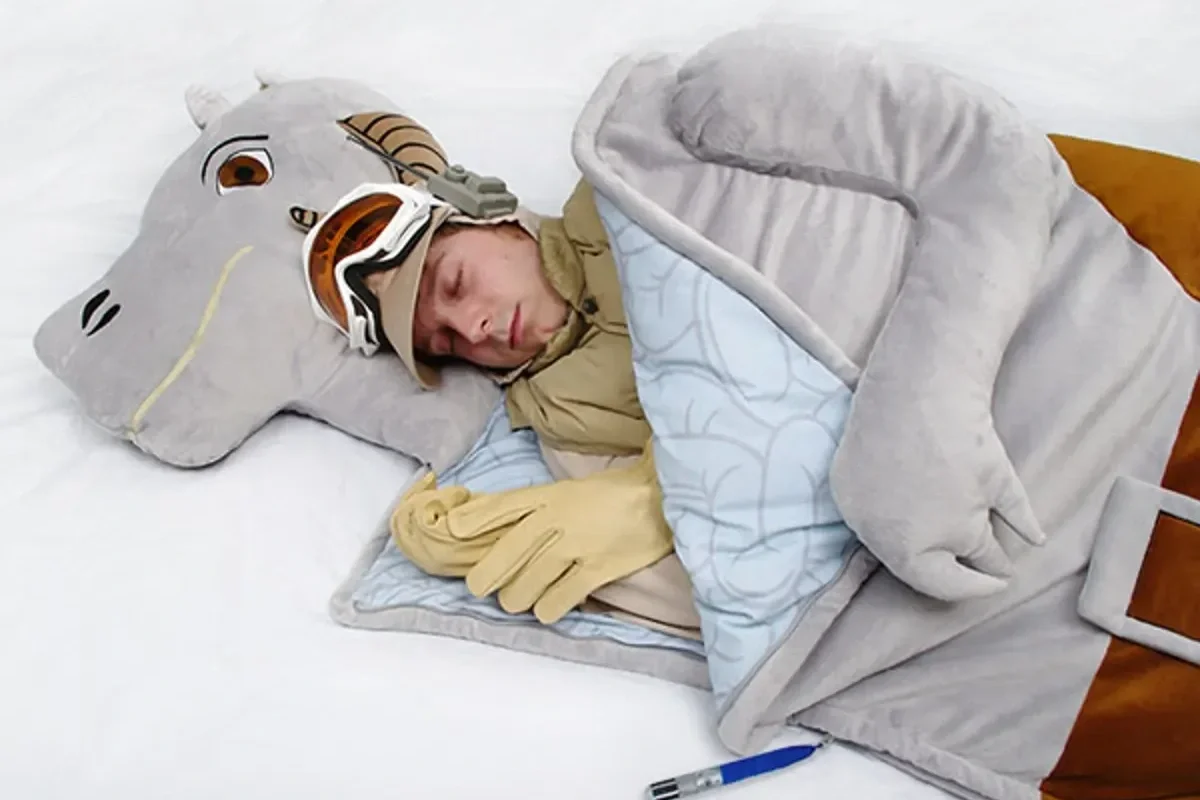
ThinkGeek’s Tauntaun sleeping bag is another useful reference point here. Every year fans of the brand look forward to its annual April Fools’ gag offering whimsical and often bizarre fake products like caffeinated meatloaf. In 2009, the brand launched their Star War’s themed Tauntaun sleeping bag which became so popular that they launched for sale as a real product.
A not-so-great version of the fake product play was Tinder’s 2019 “heigh verification” feature. Tinder added a fake feature asking users to verify their height by standing next to a commercial building. The joke played off a real catfishing behaviour in dating apps, but it also poked at a real insecurity. Tinder published it in its own press room: “It’s come to our attention that most of you 5’10ers out there are actually 5’6. The charade must stop. Did it ever occur to you that we’re 5’6 and actually love our medium height? Did it ever occur to you that honesty is what separates humans from sinister monsters? Of course not.” - Tinder’s press statement. While this didn’t spiral into a reputation disaster, the backlash was widely noted in media coverage, showing how easy it is to drift from playful to mean-spirited. The prank risks feeling like the brand is laughing at its own audience rather than laughing with them.
Tinder has since handled the space much better. In 2024, the brand again leaned into another very real dating behaviour, ghosting, but approached it differently. Instead of turning it into a feature, they framed it as a fake executive role: “VP of Ghost Hunting”. The campaign played out as a mock hiring call, with a dead-serious tone asking candidates to investigate why people disappear mid-conversation. Same territory as their earlier faux pas. Completely different execution and feel. It worked because people recognised the behaviour immediately, but didn’t feel targeted by it. The joke wasn’t on them, it was on the situation.
“If you’re borrowing from real behaviour, make sure the audience feels seen, not exposed. There’s a big difference.”
Not every April Fools idea starts fake and becomes real. Sometimes it’s the other way around. Gmail launched on 1 April back in 2004 and was so far ahead of anything else at the time that people assumed it had to be a joke. Google had a reputation for pranks so the media assumed Gmail with its 1GB of storage space was a prank. And in other cases, like Google’s 2014 Pokémon Maps stunt, what started as a prank revealed real demand for a concept. The stunt generated massive engagement and directly led to Pokémon Go via Niantic.
Key takeaway for brands:
The fake product approach only works when it feels relevant and well judged. If it’s random or poorly executed, it gets ignored. If it feels like it’s making fun of your audience, it backfires. So sense check it before it goes live:
Is this rooted in something real your audience recognises or relates to?
Does the execution feel complete and credible, or like a quick visual and caption?
Is the humour aimed at the situation, not the audience?
Is there a clear reason for someone to engage with it beyond a quick scroll?
How will people feel once they realise it’s not real?
If you’re not confident on those points, go back to the drawing board. And if you have some out there product concepts, this approach can double as a light-touch concept test for ideas you wouldn’t normally put in front of your audience.
4. The anti-prank
When doing something real is the smartest move
The anti-prank is the strategy more brands should think about, especially considering the digital fatigue consumers are experiencing as a result of the barage of AI slop and fake content. There is a major trust crisis with consumers now 70% more skeptical of content they see online. Some of the smartest April Fools work isn’t a prank at all but a relief to the contrived fakeness. Instead of asking “did people laugh?” rather ask “did anything meaningful happen?” Did people go to the site. Download the app. Visit the store. Buy something. If none of that happened, you may have had a decent joke and still done very little for the brand or for sales.
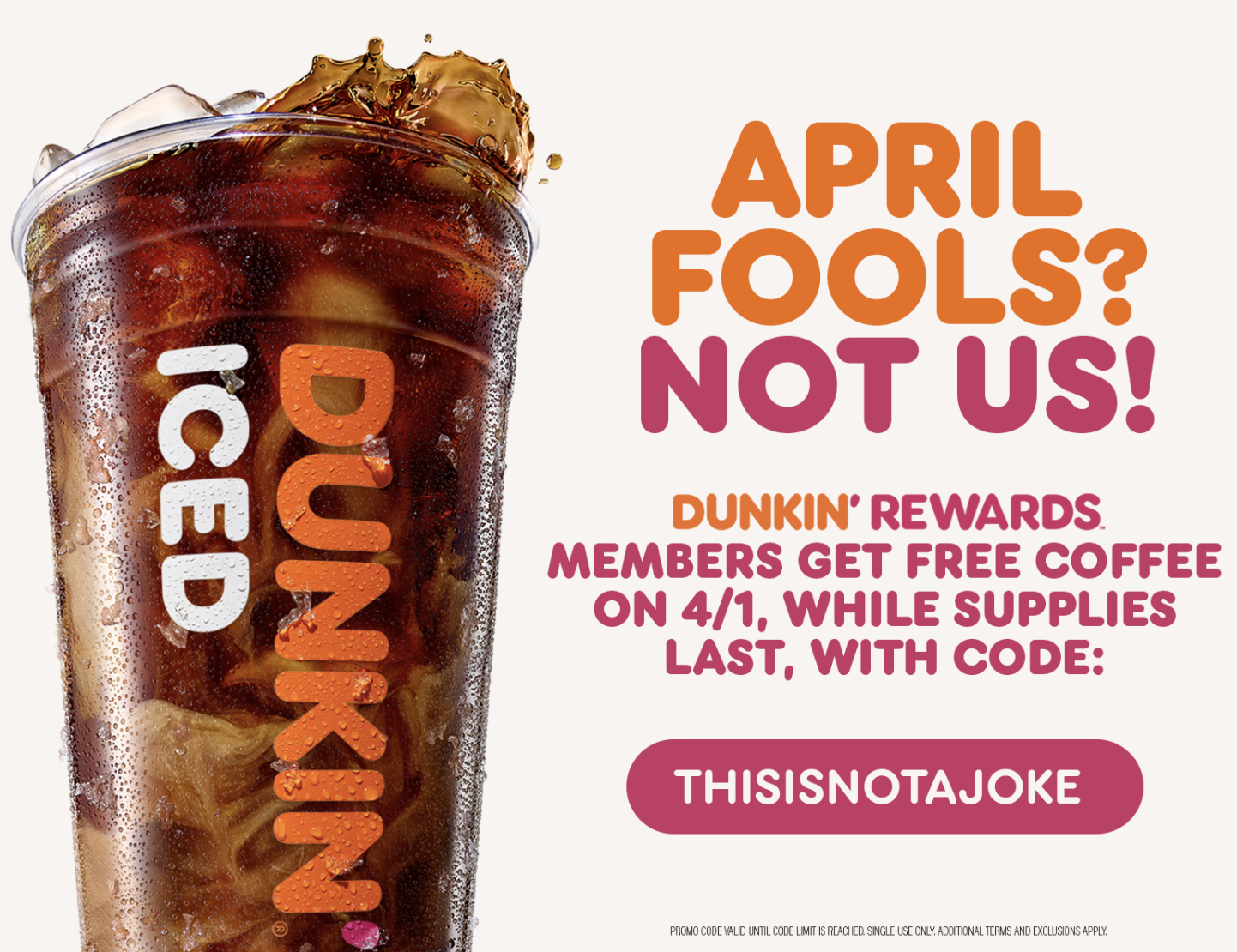
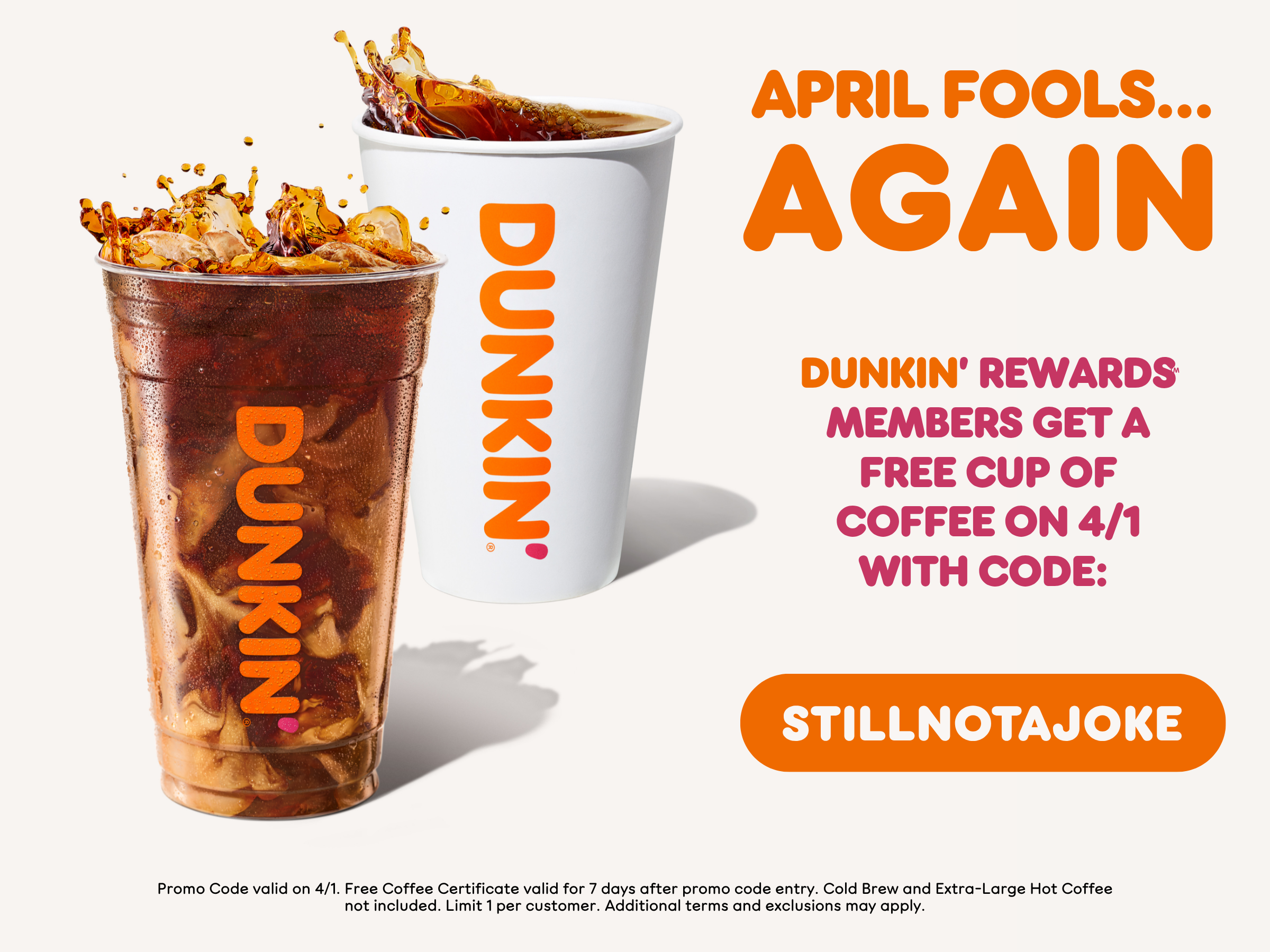
Dunkin’ got that point in 2025. Instead of trying to out-clever the internet, it ran an “anti April Fools” move and gave away one million free coffees to Dunkin’ Rewards members using the code “ThisIsNotAJoke”. It’s simple, it’s clean and it works. It played into the mood of the day, all the fake-outs, but gave people something real. While social media engagement alone is great, Dunkin tapped into that and more by rewarding brand loyalty and driving traffic to its stores. In our book thats a much better use of the moment than posting a fake product no one asked for and hoping comments roll in. The campaign went so well that Dunkin decided to roll it out again in 2026 using the code “StillNotAJoke”: “We’re giving away 1,000,001 free coffees. That extra one is for anyone still not convinced”. Well played Dunkin.
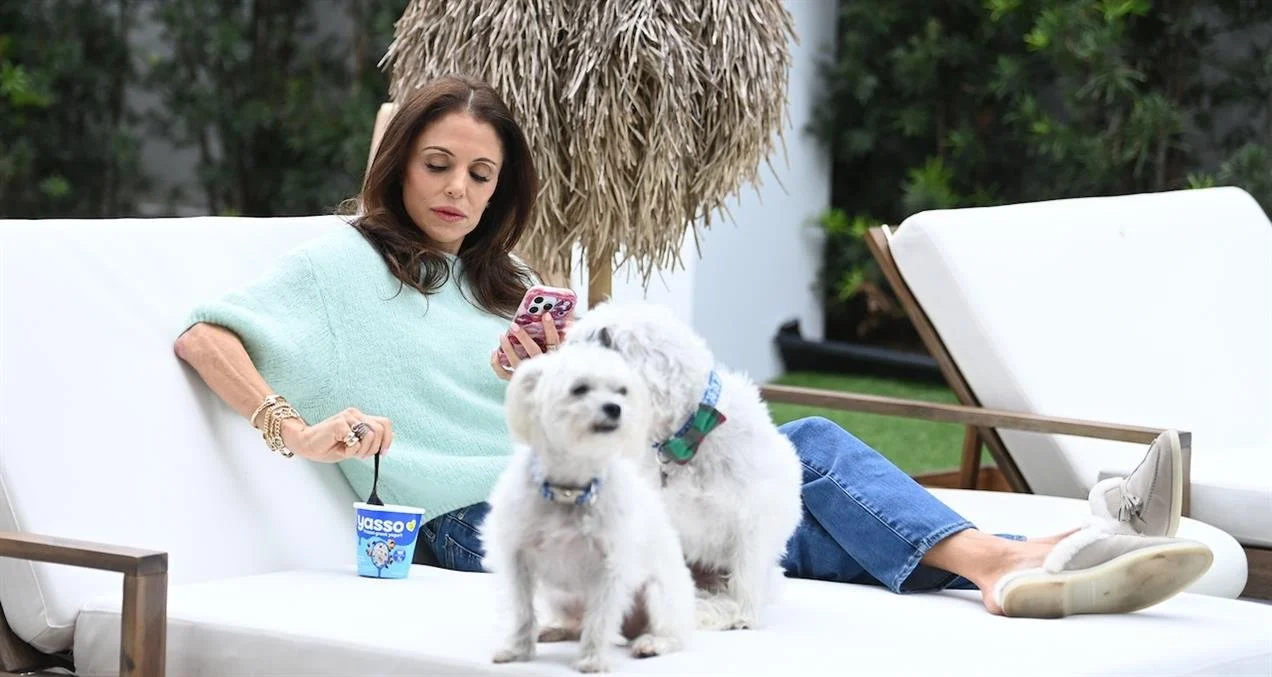
One of the more sensible directions brands are taking now is using April Fools to offer something concrete rather than another fake-out. Yasso’s 2026 “Foolproof Freezer” campaign is a good example. Instead of leaning into a made-up product, the brand used the day to frame a category point of view, namely that many “better for you” frozen desserts do fool consumers daily by overpromising and underdelivering. Then they backed that up with a large coupon giveaway for free Spoonables cartons. Bethenny Frankel was brought in to support the campaign, which gave the promotion a more direct, opinionated voice.
Key takeaway for brands:
The anti-prank works because it responds to where people are now. There’s already enough fake content online. If you’re going to show up on April 1, you need to give people something real in return. If you’re not delivering value or driving action, you’re just adding to the fatigue. So sense check it before it goes live:
What is the real value here for the audience? (free product, access, insight, reward)
Is there a clear action tied to it (visit, redeem, download, buy)?
Does this build trust rather than test it?
Are you acknowledging the mood of the day without contributing to the scepticism?
Will this leave people better off, even in a small way?
If you can answer yes to those, you’re using the moment well. If not, it’s worth asking why you’re showing up at all.
5. The spectacle
Big, physical, high-risk and rarely done well anymore
This is the oldest trick in the PR stunt book. Start with something people already feel or know. Then exaggerate it until it becomes a spectacle. Less common these because it takes nerve, money and a real feel for your brand. But when it works, it becomes legendary.
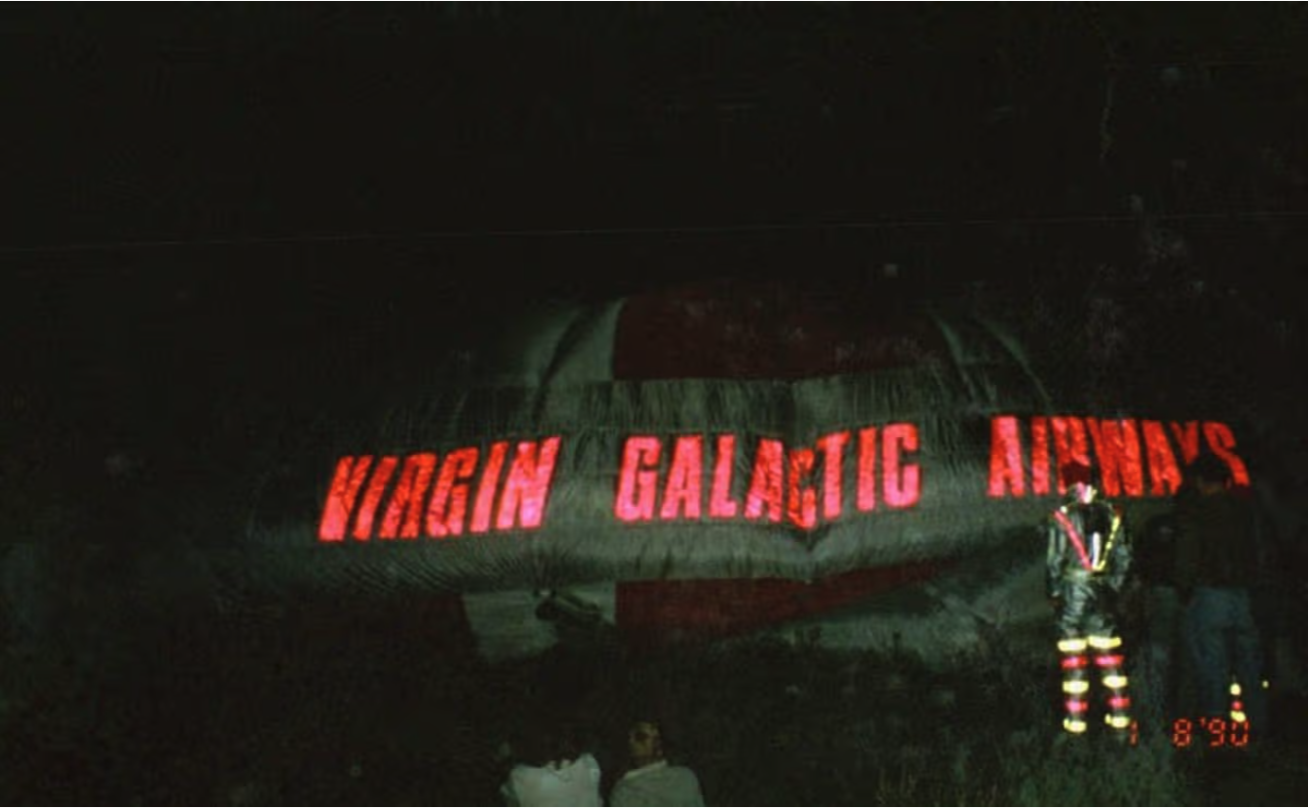
Richard Branson’s UFO balloon stunt in 1989 is still one of the best examples of pure theatre. Branson flew a UFO shaped hot air balloon over London tapping into popular culture and fascination with extra-terrestrials. People pulled over on the highway in disbelief. Police and even the army were mobilised. Then the thing came down and the prank was revealed. Now, there is a fair criticism of it too. Although it did cause a huge traffic jam it could have resulted in car accidents and serious injury. Thankfully it wasn’t worse and we suspect that Branson, famous for his “screw it, let’s do it” motto probably thought it was easier to ask for forgiveness than permission. For better or worse, the stunt feels very much in the spirit of an old-fashioned April Fools stunt. On one level, this is just Branson doing Branson. On another, it is a fabulous lesson in brand spectacle. Virgin was always a bit cheeky, a bit showmanlike, a bit impossible to ignore. The stunt fit that personality. It was big, visible and dramatic. It also reminds you that April Fools’ did not start with fake product renders on Instagram. It was inextricably link to human experience and behaviour.

Key takeaway for brands:
Spectacle works when it’s rooted in something people already recognise and taken far enough to be impossible to ignore. But it comes with real-world consequences, so the margin for error is much smaller. This type of stunt requires incredible amounts of coordination and planning to pull off. For brands with big personalities who want to go big, they should start by asking:
Does this clearly connect to your brand personality, or is it just big for the sake of it?
Is it grounded in something familiar that people will immediately understand?
Have you thought through the real-world impact (safety, disruption, public response, logistics)?
Do you have the necessary permissions and permits?
Do you have control over how it plays out once it’s live?
Is the payoff worth the level of risk and investment involved?
If you can answer yes to those, it can be powerful. If not, it’s very easy for this to tip from memorable to irresponsible.
What this means for brand strategy
The starting point of an April Fools’ stunt shouldn’t be “what’s the funniest thing we can do?” It should be “what kind of experience are we creating for people today?” That question forces better decisions and is the difference between a campaign that builds something and one that takes attention and gives very little back.
Brand personality and brand stage matter just as much as the idea itself. Qualcomm’s wolf-pigeon hybrid prank from the early 2010s came from a moment when many tech brands leaned more openly into a geeky, experimental tone. Whether that same brand would put something like that out today is a different question. Brands evolve. Audiences evolve. What feels natural at one stage can feel out of place at another.
Audience fit sits at the centre of all of this. Not every brand should try to be playful just because the calendar allows it. A serious brand with a serious audience needs a very clear sense of how far it can stretch without breaking trust. In some cases, generosity, usefulness or a well-judged idea will land better than trying to be funny. The strongest campaigns leave people better off in some way. They amuse without consequence, reward attention, or spark interest in something people would willingly engage with in real life. The weaker ones leave a mark for the wrong reasons. Confusion. Disappointment. A sense that the brand asked for attention and returned very little. Attention is harder than ever to earn and trust is at an all time low. That raises the bar and how you show up on this day either reinforces what your brand stands for or chips away at it.
The campaigns that work feel consistent because they are consistent. Duolingo can push absurdity because it is already part of the brand. Virgin can stage a spectacle because that sense of theatre is baked into how it behaves. The idea works because it fits. Not the other way around. The campaigns that don’t work usually break that alignment. They chase attention instead of reinforcing positioning. They prioritise the joke over the audience. They create a moment that feels disconnected from the rest of the brand.
Every April Fools campaign touches core brand fundamentals:
Positioning: You are reinforcing how you want to be understood. If the tone or idea feels off, it weakens that position.
Brand equity: Trust is part of brand value. Misleading or disappointing people may feel harmless in the moment, but it compounds over time.
Brand salience: Being remembered is not enough. You need to be remembered for something that strengthens the brand, not just the stunt.
Differentiation: Most campaigns follow the same patterns. Fake products. Fake announcements. If there is no clear distinction, it disappears quickly.
Reputation: The downside is real. Investors react. Media amplifies. Audiences move fast. Once something is out, it cannot be contained.
This is where brands often need a second perspective. Not on what’s possible, but on what’s worth doing. It’s the difference between a campaign that lands in the moment and one that builds something longer-term. That’s the lens we bring at Cogs & Marvel.
FAQ
-
A good April Fools marketing campaign feels intentional. It either entertains in a way that feels worth it, or it gives the audience something real in return. The strongest campaigns are rooted in real audience behaviour and aligned with the brand’s tone.
-
Most April Fools’ campaigns fail because they prioritise the joke over the audience. Common issues include misleading people too far, making the audience the punchline, or offering no real value or action.
-
Yes, April Fools’ campaigns are still effective but expectations have changed. Audiences are more sceptical of content, so campaigns need to be clearer, more thoughtful and more rewarding to work.
-
No, not every brand should do April Fools’ PR stunts or campaigns. If it doesn’t fit your brand or audience, it’s better not to participate. Poorly judged campaigns can damage trust more than they build engagement.
-
The biggest risk in April Fools’ marketing is breaking trust. If people feel misled, embarrassed or disappointed, it can create a negative association with the brand that lasts beyond the campaign.