Brand Experience Events: Meaning, Types, & How To Design One
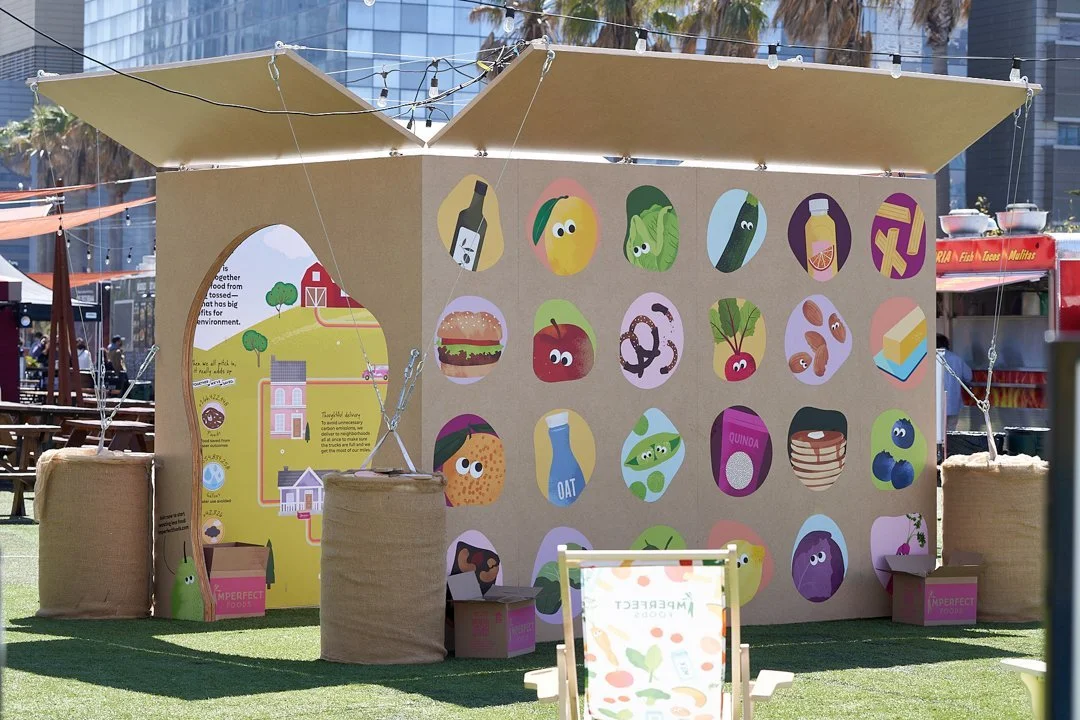
Image from Imperfect Foods “Waste Week” Roadshow
Brand experience events are where your brand stops being an idea and becomes something people can step into. Through the space, the interactions, and the choices people get to make while they’re theres, they’re live moments designed to make your brand feel real.
If you’re planning an event (and you want more than “good vibes + a photo op”), this guide breaks down what brand experience events are, types to consider, and how to design one with measurable impact.
What Are Brand Experience Events?
Brand experience events are live (or live-meets-digital) experiences built to strengthen how people perceive your brand by letting them actively engage with it. The focus isn’t just attendance—it’s meaning: what people understand, feel, and remember about your brand after the event.
The key shift is simple: instead of telling people what you stand for, you design an environment where they can experience it first-hand.
How Live Events Interact With Brand Experience
Live events help create an impactful brand experience by compressing your brand into a short, high-signal moment. People don’t just see your message—they test it. They pick up cues from how the space is designed, how staff behave, what’s easy or difficult, what feels premium or playful, and how the experience is paced.
A useful way to think about it is:
Brand Experience = Perception over time.
Brand Experience Events = Perception on fast-forward.
When you design the right moments (hands-on, personal, shareable, memorable) you can shift what people associate with your brand in a single session.
Why Do Brands Use Brand Experience Events?
Brands use brand experience events because they’re one of the fastest ways to turn positioning into proof. Instead of asking people to believe a message, you create a moment where they can experience the brand promise for themselves, through the environment, the interactions, and the way everything is delivered.
They’re also a practical way to build momentum around key business moments (A launch, A new market push, A partnership, A cultural moment) while creating measurable output, from engagement data to content assets to qualified leads, without losing the brand story along the way.
Benefits Of Brand Experience Events:
Build stronger brand recalll by creating a live moment people can remember and talk about
Shape brand perception faster by letting audiences experience your promise in action
Increase emotional connection through participation, not just messaging
Generate content with a longer afterlife by designing moments people want to share and reuse
Create clear measurement opportunities across perception, customer experience, business outcomes, and content performance
Support business goals like trial, lead generation, loyalty, community, or partner relationships (depending on the format)
Build brand equity over time by creating consistent, positive interactions that strengthen loyalty
Brand Experience Events vs Brand Awareness Events
Brand awareness events are built to maximise reach. The job is visibility: getting your name in front of as many people as possible, as efficiently as possible. They’re often measured by footfall, impressions, and general exposure.
Brand experience events are built to maximise understanding and recall. The job is depth: getting the right people to feel what your brand stands for through a designed experience. They’re measured by engagement, sentiment, memory, and downstream action—because the goal isn’t only to be seen, it’s to be remembered for something specific.
Types of Brand Experience Events
There’s no one-size-fits-all for brand experience events, but the format should match your audience behaviour and your brand promise.
Here are some common types of brand experience events, plus practical ways to bring each to life:
Pop-Ups
Pop-up events are temporary, high-impact spaces built to create urgency and curiosity. They work best when they deliver one clear idea fast—then give people something hands-on to do with it.
Best For: Launches, seasonal moments, culture drops, retail tie-ins
How to Tie in Brand Experience: Build one signature interaction (A demo, challenge, personalisation, reveal) that turns the brand idea into something guests can actively participate in.
Product Launch Events
Product launch events are designed to turn “new” into “now.” A strong launch experience makes the product feel inevitable by showing how it fits into a lifestyle, solves a problem, or signals identity.
Best For: New products, rebrands, major feature releases, category entries
How to Tie in Brand Experience: Let people test-drive the benefit, not just view the product—Design the event around the product’s result (What it enables) rather than only its features.
Roadshows
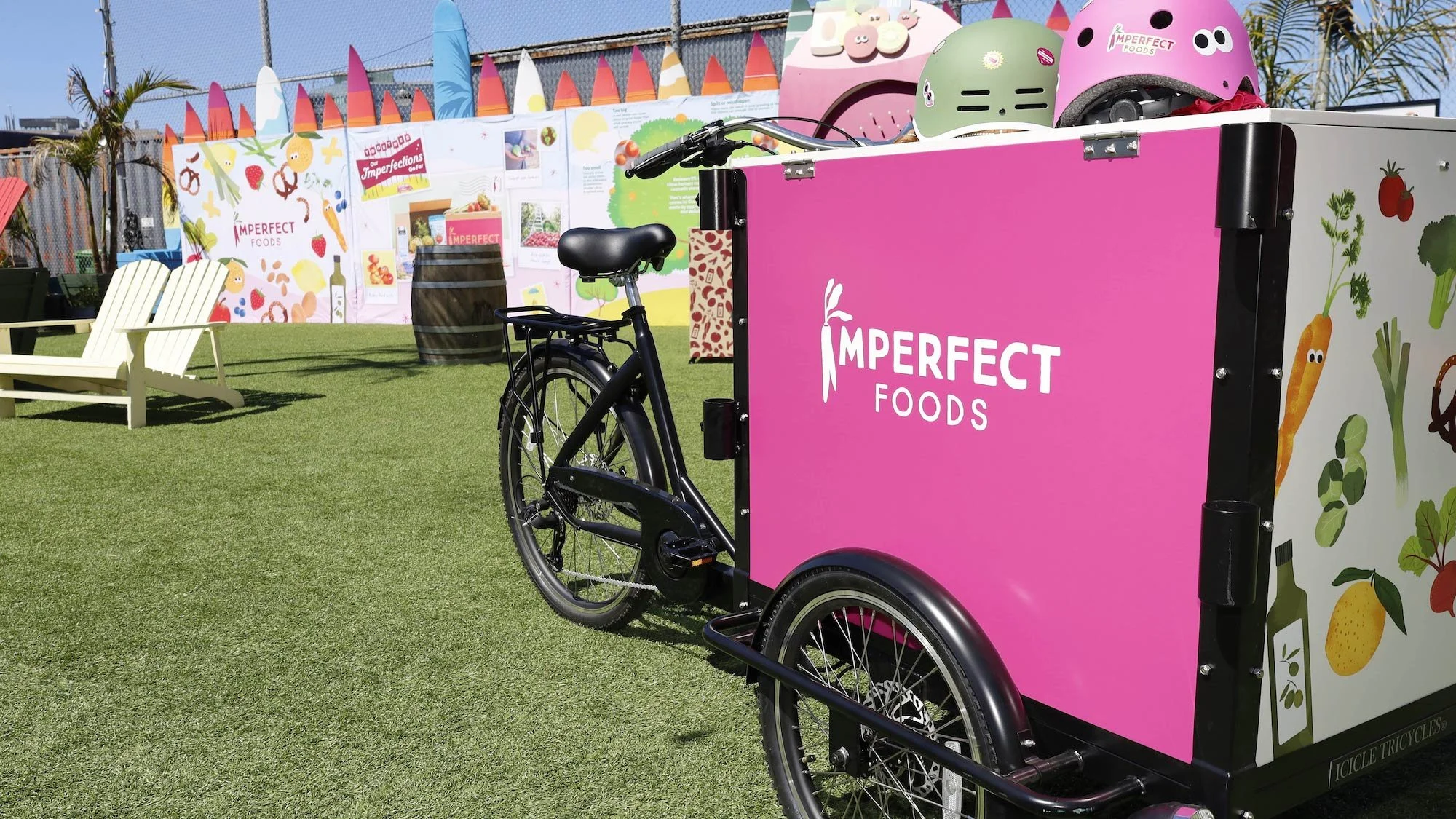
Roadshows (like this one by Imperfect Foods) take the experience to your audience across multiple locations. Done well, they build familiarity through repetition while still feeling fresh in each city.
Best For: National campaigns, sampling, retail support, community growth
How to Tie in Brand Experience: Keep the “core story” consistent, then localise one element (A guest moment, creator collaboration, regional tie-in) so it feels relevant rather than copy-pasted.
Festival Takeovers and Sponsorship Activations
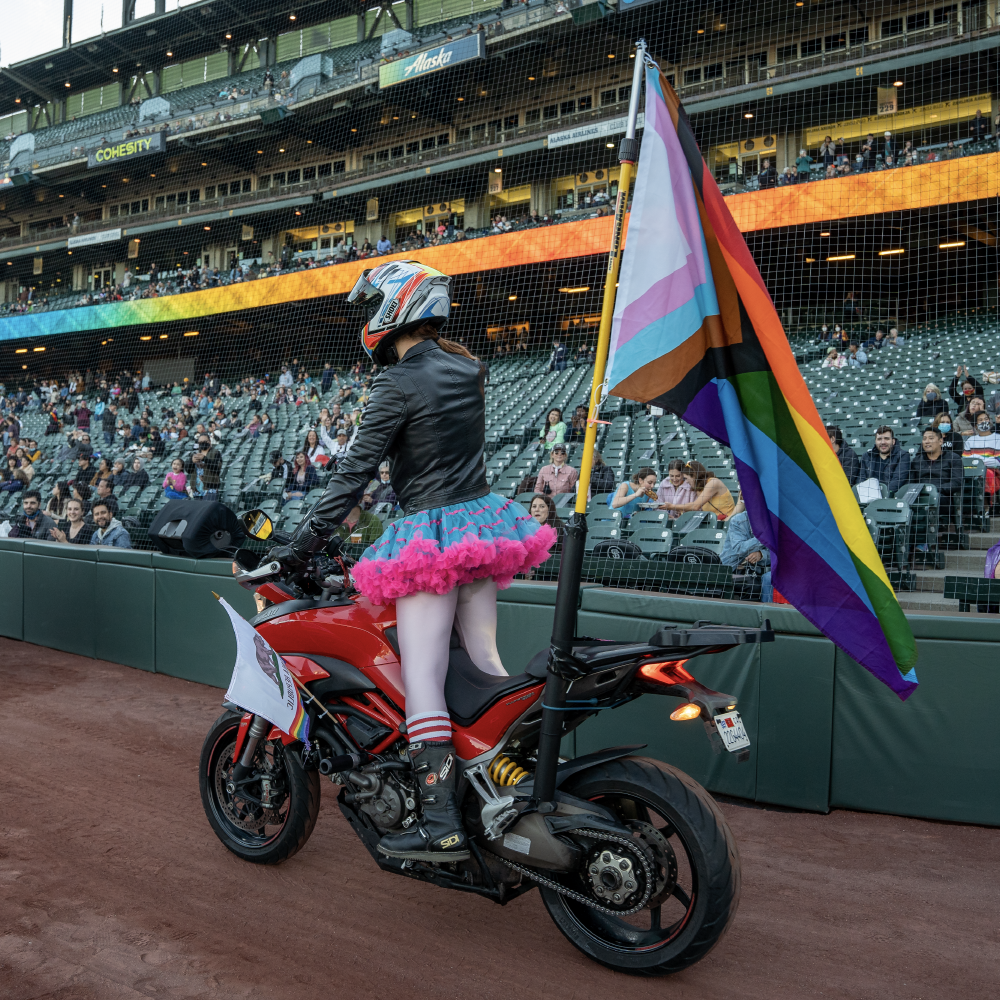
Festival takeovers and PR events use large cultural moments to borrow attention—then earn engagement by giving people a reason to step in and stay.
Best For: Mass relevance, youth audiences, lifestyle brands, high-energy awareness & experience
How to Tie in Brand Experience: Design for flow: a clear entry hook, a main interaction, and an exit reward (Content, takeaway, unlock) so guests naturally move through the experience.
Retail Experiences
Retail experiences sit at the intersection of brand and commerce. The goal is to make the brand feel tangible while still making it easy for people to buy, learn, or return.
Best For: Flagships, new store openings, in-store campaigns, partnerships
How to Tie in Brand Experience: Create guided discovery—use zones or stations that let customers explore the brand promise in steps (Story, Product, Personalisation, Proof).
Industry Week & Conference Brand Activations
Industry weeks are concentrated moments in the calendar when a sector gets the spotlight. Think a mix of conferences, networking, meet-ups, and big announcements under one umbrella. Brands use these moments to show up with credibility in their industry or B2B audience, often building brand experience more easily because the audience is already “event-ready” and paying attention.
Best For: Thought leadership, partnership building, product education, credibility within a niche audience, industry PR moments
How to Tie in Brand Experience: Design one clear “reason to stop” (A hands-on demo, guided challenge, live diagnostic, or interactive reveal) that lets attendees do the brand promise in under 2 minutes
How to Design a Brand Experience Event (Practical Framework)
Brand experience events (or any event, really) work a lot better when designed with intention.
To guide your event toward great outcomes, it’s key to start grounded in a framework that focuses your strategy from brainstorming to execution.
1) Promise: What Should People Believe When They Leave?
Start here because it prevents the event becoming “a bunch of cool ideas.” This question should guide your team’s first working session: What belief do we want to earn? That belief should align with your brand positioning and the business outcome you need (awareness vs loyalty, etc).
To get to the answer, begin with three inputs:
Brand Truth: What you actually stand for (not what you wish you stood for)
Audience Tension: What your audience is trying to solve, feel, or become
Campaign Goal: What needs to change after this event (Perception, intent, trial, advocacy)
When those three line up, your “promise” becomes a clear sentence that the entire experience can reinforce. That clarity keeps production, content, and measurement aligned.
2) People: Who Is This For, Specifically?
Define the audience like you’re designing for real humans, not a segment label. The sharper the audience, the sharper the experience—because you can make choices that feel tailored, not generic.
A strong way to do this is to write a one-paragraph “guest profile” that includes:
What they care about
What they’re skeptical of
What would make them stay longer
What would make them share
3) Place: What Should The World Feel Like?
Place isn’t just the venue. It’s how the environment communicates your brand before anyone speaks. This step turns your promise into physical cues: layout, lighting, sound, materials, scent, pacing, and the way people move through the space.
Start by exploring other examples brand experience events and then choose three “environment words” that match the brand promise (For example: clean, bold, inviting). Next, make every production decision answer to those words. This helps the how the space feels coherent, and coherence is what people remember.
4) Play: What Do People Get To Do?
This is where the brand becomes believable. “Play” means interaction: what guests can touch, try, build, test, customise, unlock, or influence.
A practical method here is to design one hero interaction plus two supporting interactions:
The hero interaction delivers the main “aha” moment tied to the promise
Supporting interactions reinforce the promise from different angles (Education, entertainment, personalisation, social)
This structure creates depth without overcomplicating the experience.
5) Proof: How Will You Know It Worked?
Define measurement early because it shapes the experience design. If you want participation, you need participation tracking. If you want content, you need capture planning. If you want pipeline, you need lead logic and follow-up built in.
Choose:
One Primary Metric (The main success signal)
Three To Five Secondary Metrics (Supportive proof points)
Examples of useful experiential marketing metrics by objective:
Perception: Brand attribute lift, sentiment, recall
Engagement: Dwell time, interaction completion rate, return visits
Business: Qualified leads, demo bookings, sales influenced
Content: UGC volume/quality, shares, asset reuse
Measuring Success: KPIs That Match Real Objectives
To make reporting meaningful, tie metrics to what the event is meant to shift. For example, if your goal is premium positioning, track perception and sentiment. If your goal is trial, track participation and conversion actions. If your goal is growth, track acquisition signals and content reach.
It also helps to plan measurement across three phases:
During The Event: Attendance, flow, engagement, interaction performance
Immediately After: Surveys, sentiment, content outputs, follow-up actions
Weeks After: Pipeline influence, repeat behaviour, longer-tail content performance
This is how you show that a live moment created value beyond the day itself.
What Does a Brand Experience Agency Do?
A brand experience agency connects strategy to execution. That means translating brand positioning into a live environment people can move through, making sure the concept holds up under real-world constraints (budget, build, logistics, staffing), and designing interactions that create measurable outcomes (engagement, recall, content, leads, sales).
It also means building the full system around the event: guest journey, run-of-show, content capture, and post-event follow-up, so the experience doesn’t end when the doors close.
Ready To Build A Memorable Brand Experience Event?
The best Brand Experience Events make a brand feel obvious—because the audience experienced it, not because they were told it.
If you’re planning a launch, pop-up, takeover, roadshow, or something custom, we’ll help you shape the strategy, design the experience, and deliver it properly—down to the details that make people remember it.
→ Get in touch.
FAQs on Brand Experience Events
What Are Brand Experience Events?
Brand Experience Events are live experiences designed to let people actively engage with your brand promise in a way they can feel and remember.
How Are Brand Experience Events Different From Brand Awareness Events?
Brand Awareness Events prioritise reach and visibility, while Brand Experience Events prioritise deeper engagement and stronger brand recall.
What Makes A Brand Experience Event Work?
It works when the event turns a clear brand promise into real interactions, moments, and environmental cues that reinforce it.
What Types Of Brand Experience Events Are Most Common?
Common formats include pop-ups, product launch events, roadshows, festival takeovers, retail experiences, community events, and trade shows.
What’s The Best Way To Start Planning A Brand Experience Event?
Start by defining the single belief you want people to leave with, because it anchors every creative and operational decision.
How Do You Measure The Success Of Brand Experience Events?
Measure success with one primary objective-led KPI (like perception shift or qualified leads) supported by a small set of engagement, business, and content metrics.
What Does A Brand Experience Agency Do?
A Brand Experience Agency turns brand strategy into a live experience and manages the concept, design, production, and measurement so it delivers real outcomes.