
What Is Brand Storytelling, and How Do You Land It?

Brand storytelling is how you make people get your brand — not just what you sell, but what you stand for, how you think, and why you matter in their world.
And no, it’s not reserved for cinematic launch films or About pages with dramatic origin myths. The best brand storytelling is practical. It gives your teams a clear narrative to work from, so your marketing, product, events, and sales all sound like they belong to the same company.
This guide breaks down what brand storytelling is, why it matters, a framework you can actually use, real examples (including Cogs & Marvel case studies), and how to measure whether your story is landing.
What Is Brand Storytelling?
Brand storytelling is a strategy for communicating your brand identity through a consistent narrative — the core ideas, beliefs, and emotional cues that show up everywhere your brand shows up.
It’s the difference between “We make X” and “Here’s the world we’re building, and why you’ll want to be part of it.”
Why Is Brand Storytelling Important?
Because people don’t remember “value propositions.” They remember meaning.
Brand storytelling gives you a way to create that meaning at scale: in your content, your campaigns, your product, your internal culture, and your live experiences. It helps you stay consistent across channels (even when different teams are moving fast), and it gives your audience a reason to care beyond features and pricing.
It also builds something most brands are chasing right now: emotional stickiness. When your story is clear, your audience can repeat it, share it, and connect themselves to it — which is where loyalty starts to show up.
Brand Storytelling vs Storytelling In Marketing
These two are connected, but they’re not the same job.
Brand storytelling is the narrative system that stays consistent over time: what you believe, what you’re here to change, what you value, and what kind of role you play in your customer’s world.
Storytelling in marketing is how you express that story through campaigns, channels, content formats, and creative ideas — and those can change weekly without your brand losing the plot.
Brand Storytelling vs Product Storytelling
Brand storytelling gives the product meaning — it’s the “why” behind what you make. Product storytelling is how you explain the value of a specific offer in a way that feels clear, relatable, and real.
The connection is the point: product stories land harder when they ladder up to the brand story, because the product becomes proof of the belief — not just a list of features.
A Practical Brand Storytelling Framework
Here’s a framework you can use to keep brand storytelling sharp and usable, especially when it needs to travel across content channels and event formats.
1) Truth
Start with what’s actually true about your brand: how you operate, what you prioritise, what you refuse to compromise on. This is the anchor that keeps your story believable, because brand storytelling only works when the audience can feel the truth in the details.
How to find it: Look at your patterns. What do you keep choosing, even when it’s harder? What do customers consistently praise you for? What would break your brand if it disappeared tomorrow?
2) Audience
Define who the story is for, and what they’re trying to solve or become. This isn’t just demographics, it’s motivation. The goal is to understand what your audience wants to feel, avoid, achieve, or prove.
How to find it: Listen for the language they use when they describe their problem and their ideal outcome. That semantics is often more useful than anything in a persona deck.
3) Tension
Stories move because something needs to change. Tension is the gap between where your audience is now and where they want to be. It’s also what makes your story feel relevant instead of generic.
How to find it: Identify the friction your audience lives with (confusion, complexity, lack of confidence, lack of time, lack of access, feeling left out). Then decide which tension your brand is best positioned to resolve.
4) Change
This is the transformation your brand enables — the “after” state your audience is buying into. It’s not a tagline. It’s a clear shift in experience, identity, or outcome.
How to find it: Finish the sentence: “With us, you go from ___ to ___.” Make it specific enough that a customer can picture it.
5) Proof
Proof is what makes the story real: examples, behaviours, outcomes, product demonstrations, community moments, reviews, credibility signals, case studies. Proof stops storytelling from becoming pure aspiration.
How to find it: Collect evidence that your brand already delivers the change you’re claiming — then build your storytelling around that evidence, not around wishful thinking.
6) Translation
Translation is where the story becomes usable across real work: website, social, brand campaigns, sales decks, product UX, customer onboarding, internal comms, events. If your story can’t translate, it can’t scale.
How to find it: Choose 3–5 repeatable “story cues” (phrases, values-in-action, visual motifs, interaction patterns) that can show up everywhere without feeling copy-pasted.
How To Do B2B Brand Storytelling
In the B2B context, brand storytelling works best when it balances emotion with clarity. The emotional part is usually confidence: buyers want to feel like they’re making a smart decision, backed by a partner who understands the stakes.
The clarity part is critical because B2B stories are often competing with complexity — multiple stakeholders, long timelines, internal risk, and “prove it” scrutiny.
Approach the framework above with one extra lens: make the story easy to repeat inside the organisation. Your story isn’t only for the buyer, but also the buyer’s boss, procurement, IT, and anyone else who needs to say “yes.”
A few B2B storytelling tips that help brand stories land:
Lead with the shift, not the product (what gets easier, faster, safer, or more confident)
Make proof obvious (case studies, numbers, outcomes, credible partners)
Use jargon-free language (less “innovation,” more “here’s what changes on Monday”)
Keep the story consistent across sales and marketing (your deck shouldn’t feel like a different brand than your website)
How To Measure Your Brand Storytelling Strategy
Brand storytelling might be creative, but measuring it doesn’t need to be vague.
Start by picking one primary goal (what you actually want the story to do), then choose a small set of metrics that prove whether it’s working.
Useful measurement buckets:
Recall and Association: Can people repeat the story back? Do they describe you using the same ideas you intended?
Engagement Quality: Time spent, scroll depth, saves, shares, completion rates, repeat visits (signal of “this mattered”)
Conversion Assist: Does story-led content show up before demo requests, sign-ups, purchases, or event attendance?
Sentiment and Loyalty Signals: Comment themes, brand preference indicators, repeat customers, community growth, direct traffic lift over time
If your brand storytelling includes live activations, you can also measure interaction performance: dwell time, participation rate, return visits, and post-event lift in branded search and content engagement.
What Is Interactive Storytelling?
Interactive storytelling is when your audience participates in the narrative instead of just consuming it. It’s storytelling built into sensory cues and activities: the space, the pacing, the choices people get to make, and the moments they can physically engage with.
This approach works especially well in live experiences because it creates a clean link between story and memory: people don’t just recall what you said, they recall what they did. That’s where brand association can stick.
The Power of Interactive Storytelling in Brand Activations
Interactive storytelling is powerful because participation creates meaning fast. When someone takes an action (writes, builds, tests, votes, plays, explores), they’re no longer passively receiving a story, they’re helping complete it. That co-creation creates stronger recall, deeper emotional connection, and more natural sharing.
It’s also a practical way to bridge story and outcomes: you can design interactions that prove the brand promise (hands-on), while capturing content and signals that show what resonated.
Brand Storytelling Examples (With Cogs & Marvel Proof)
Below are some brand activation campaigns that show brand storytelling in action. But in these examples, each brand’s story is uniquely told through immersive experiences, creating something people can remember.
Obsidian Adventures:
Turning Wine Into A Story About Nature, Community, And Curiosity
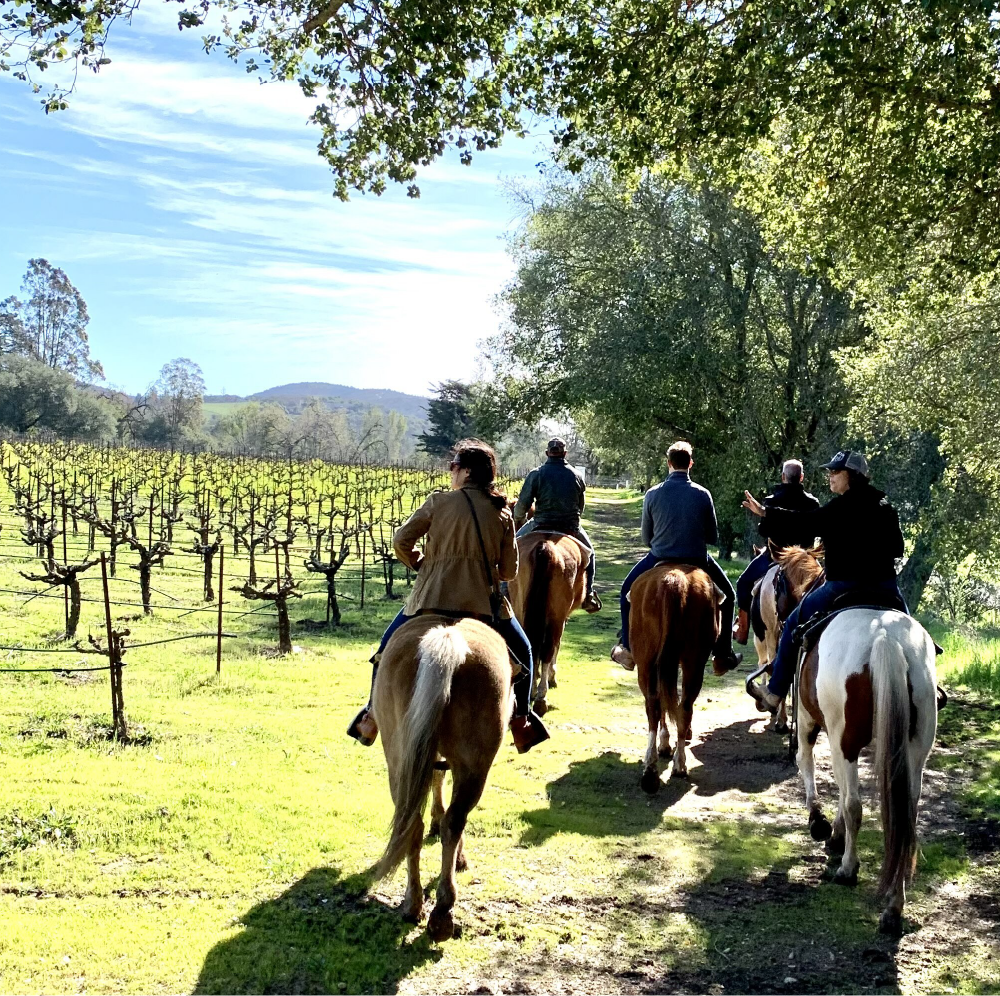
Obsidian Wine wanted a deeper way to connect with wine lovers who share their values — sustainability, community, and adventure — so we created the Adventure Series, a collection of 20 educational nature excursions (from oyster farming to hiking up a volcano to flying to a vineyard in a seaplane).
This is interactive brand storytelling in action. Instead of hearing “our wine is connected to the ecosystem,” guests were guided into the ecosystem, learning hands-on about the origin and journey of the brand’s products and experiencing how it connects with their values.
The Story: Wine isn’t separate from nature, and Obsidian exists to reconnect people to the ecosystems and food sources behind every bottle.
The Result: The launch generated 709,665,073 media impressions, and the series continues with nine excursions on monthly rotation, turning one-time buyers into long-term customers.
Kohl’s Evening With Ellie:
A Campaign Story Turned Into A Real-Life Moment For Real People
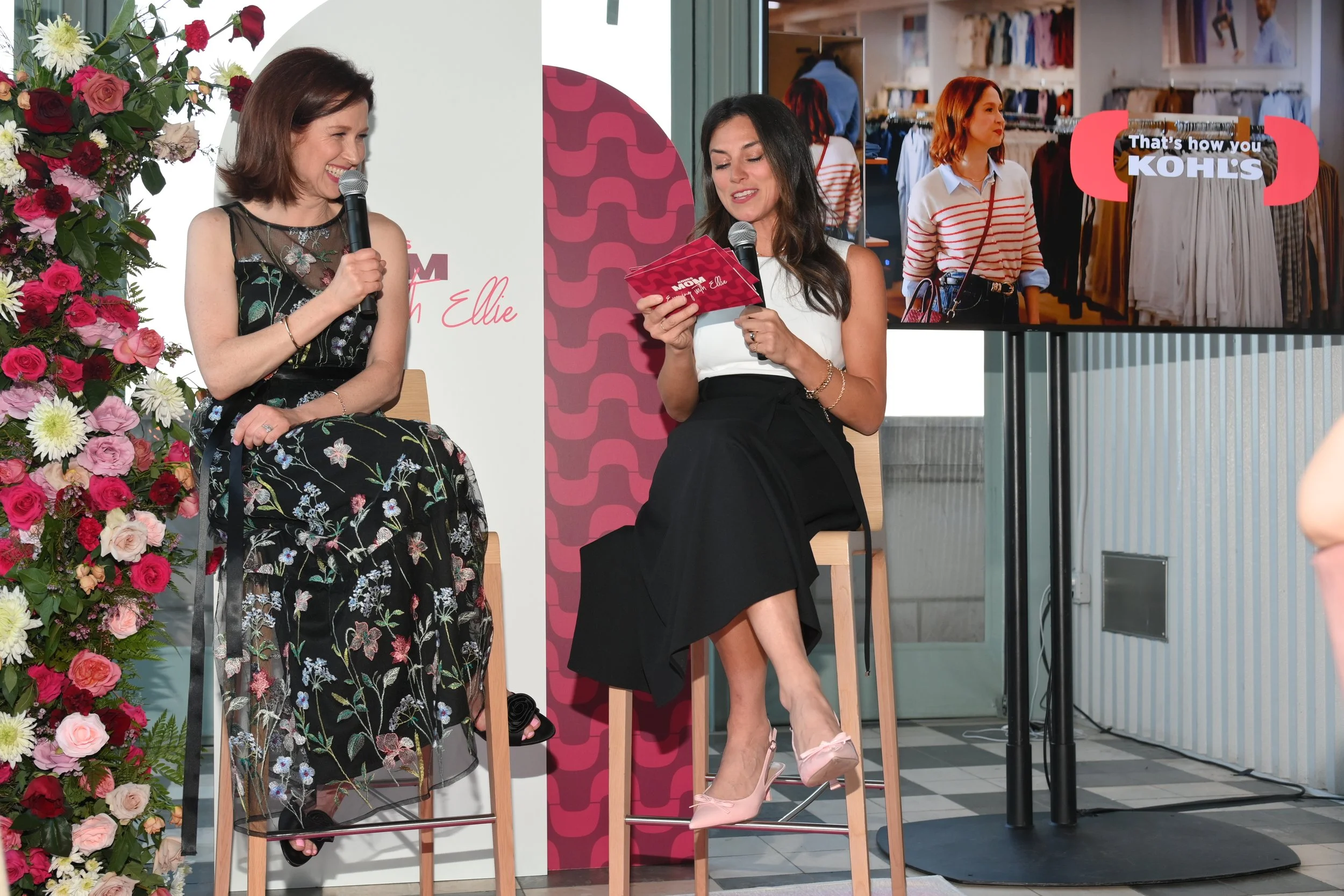
Kohl’s wanted to authentically connect with their core demographic during peak shopping season, so we created an intimate VIP experience in New York, hosted by brand ambassador Ellie Kemper, designed to celebrate mothers while generating premium content and driving brand affinity.
The storytelling here was human-first. The event combined entertainment, personal storytelling, and curated experiences that felt genuine, creating moments that attendees could share naturally, extending the campaign’s reach in a way that didn’t feel forced.
This is a great example of how brand storytelling can work when you translate a campaign narrative into a lived experience: the brand shows up as a feeling (relatable, warm, trustworthy), not just a message.
The Story: Kohl’s celebrates the strength and joy of motherhood by showing up with warmth, practicality, and trust.
The Result: The event created shareable moments that extended the Kohl’s Mom campaign reach organically and reinforced Kohl’s as a brand moms can trust.

Ocado Re-Imagined:
Making Complex Innovation Feel Cinematic, Clear, And Credible
Ocado needed to unveil seven new products to international investors, partners, and press in a 60-minute keynote, bringing an ecosystem of robots and AI logistics into the spotlight.
The storytelling challenge here was classic “future tech” tension: the innovation is impressive, but it’s abstract unless you make it legible. So we developed a new, daring visual system and cinematic aesthetic, paired with stylised animations and motion graphics that explained functionality and process — turning complex machine learning and logistics into something people could actually follow (and feel).
This is product storytelling at a brand level: the product becomes proof of a bigger belief (pioneering, gutsy, next-gen).
The Story: The future of fulfilment is precise, beautiful, and engineered, and Ocado is leading that shift.
The Result: Ocado Group shares jumped 5.5% the next day, backed by significant media attention.
What Does A Brand Storytelling Agency Do?
A brand storytelling agency helps you build the narrative system (so the brand story is clear, consistent, and believable), then translates it into work people can actually experience: campaigns, content, products, internal comms, and live moments.
The real value is alignment: keeping your story consistent across teams and touchpoints, while making sure it still flexes creatively, and setting up measurement loops so you can sharpen what’s working over time.
Ready To Build Brand Storytelling That Sticks?
If your story feels clear in the boardroom but blurry in the real world, that’s the gap. Brand storytelling works when it translates into consistent cues, moments, and experiences your audience can feel — and repeat back to someone else.
If you want help building the story system (and bringing it to life through campaigns, activations, or live experiences), let’s talk:
→ Get in touch.
FAQs
What Is Brand Storytelling?
Brand storytelling is the strategy of communicating your brand identity through a consistent narrative across touchpoints.
Why Is Brand Storytelling Important?
It makes your brand easier to remember, trust, and choose by giving people meaning, not just messaging.
What Is The Difference Between Brand Storytelling And Storytelling In Marketing?
Brand storytelling is the long-term narrative system, while marketing storytelling is how that system is expressed through campaigns and channels.
What Is The Difference Between Brand Storytelling And Product Storytelling?
Brand storytelling gives the product meaning, while product storytelling explains the value and outcomes of a specific offer.
How Do You Do B2B Brand Storytelling?
Focus on clarity, credibility, and a story that’s easy for stakeholders to repeat internally, backed by proof.
What Is Interactive Storytelling?
Interactive storytelling lets the audience participate in the story through sensory cues and activities, turning narrative into lived memory.
How Do You Measure Brand Storytelling?
Measure recall, engagement quality, conversion assist, and sentiment signals tied to a clear primary goal.