

Why is Experiential Marketing the Future of Retail?
Retail brands have a lot competing for attention, and standard marketing does not always give people much reason to stop, engage, or remember what they have seen.
That is a big part of why experiential marketing has become more important in retail. It gives brands a more direct way to connect with people through pop-ups, launch events, in-store activations, product trials, and other live experiences that bring the marketing into the space itself.
This is really why experiential marketing is becoming such a strong fit for retail. It helps brands do more than show up. It gives people something to respond to, which makes the brand easier to notice, easier to understand, and more likely to stay with them afterwards.
What Is Experiential Marketing in Retail?
Experiential marketing in retail is a way for brands to connect with people through direct, real-world interaction.
Instead of relying only on ads, signage, or promotional messaging, experiential retail activations create live experiences that people can actually take part in. In a retail setting, that might mean a pop-up, an in-store activation, a launch event, a sampling moment, or another branded experience designed to bring the marketing closer to the customer.
The main value in it is that people get a better sense of the brand by engaging with it directly. Rather than being told what the brand is about, they experience something that helps make that clearer while creating an emotional connection.
Why Experiential Marketing Works So Well for Retail Brands
Retail brands are often trying to do a few things at once. They need to attract attention, give people a reason to engage, and make the brand feel distinct in a space that may already feel crowded.
That is where experiential marketing tends to work well. It gives people something more immediate to respond to, whether that is a pop-up, an activation, a launch, or a product trial. Instead of asking people to absorb the message from a distance, it brings the brand into a more direct interaction.
That usually leads to stronger attention and a clearer sense of what the brand is trying to say. When people can take part in something, even briefly, the experience tends to stay with them more than standard retail marketing would on its own.
Benefits of Experiential Marketing for Retail Brands:
Creates a stronger reason for people to stop and engage
Makes the brand easier to notice in crowded retail environments
Helps products feel more tangible through direct interaction
Encourages longer dwell time and deeper attention
Makes campaigns more memorable than passive retail marketing
Gives people something worth sharing online or talking about afterwards
What Experiential Marketing Looks Like in Retail
Experiential marketing in retail can take a few different forms, but most of them are trying to do a similar thing. They are creating a stronger reason for people to engage with the brand in the moment.
Pop-up activations
Pop-ups are one of the clearest examples of retail experiential marketing because they create focus. There is a set space, a set window, and usually a very clear idea of what people are there to experience. That makes them useful for launches, seasonal campaigns, product discovery, local awareness, and brand moments that need a bit more energy around them.
They also work well because they feel intentional. People know they are stepping into something specific, which tends to make the interaction more memorable.
Retail launch events
Launches are often where experiential marketing proves its value quite quickly. If a retail brand is introducing a new collection, product line, store concept, or collaboration, a live experience helps people understand what is new and why it matters.
That can be particularly useful when the brand wants more than just awareness. A launch event can build excitement, give people direct product interaction, and create content or conversation that extends beyond the event itself.
In-store activations
Not every experiential campaign needs a separate footprint. In-store activations can work well when the aim is to bring more attention and participation into an existing retail environment.
That might mean a branded installation, a sampling moment, a live demonstration, or an interactive build-out that gives the customer a more active role than standard browsing usually does.
Product trial and sampling
Some brands benefit from being experienced directly. Food, drink, beauty, fashion, and lifestyle brands often sit in this category. Trial and sampling can be simple, but when they are designed properly, they do more than put a product in someone’s hand. They give the product some context, and they give the audience a better reason to care about it.
Campaign-led retail events
Retail marketing events are often built around a broader campaign rather than a permanent store objective. These are the moments where a brand wants a stronger burst of attention around a theme, partnership, season, or message.
That is where experiential marketing can help retail brands turn a campaign into something people can actually enter and spend time with, rather than just something they see in passing.
Successful Examples of Retail Experiential Marketing
The best way to understand why experiential marketing works in retail is to look at how it actually gets used. These examples each take a slightly different approach to other examples of experiential marketing, but they all show how live experience can help a retail or consumer-facing brand become more noticeable, more tangible, and easier to remember.
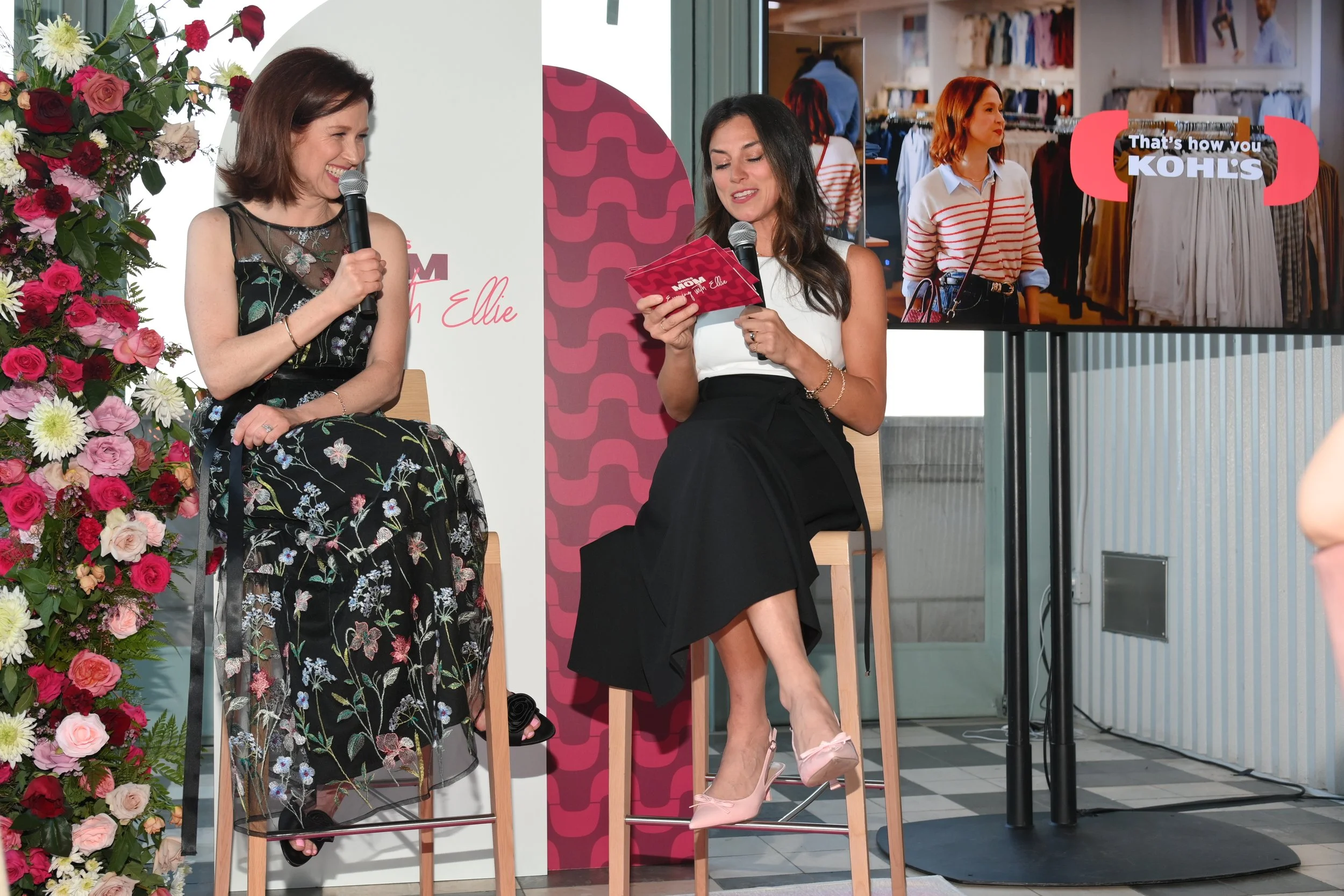
Kohl’s Evening with Ellie
Kohl’s needed a way to make a branded retail moment feel more engaging and culturally relevant, rather than just promotional. The activation created an event-led experience around Ellie that gave people something more substantial than product display alone.
What makes this a useful retail experiential marketing example is that it shows how a retail brand can use a live experience to shape perception, create a stronger sense of occasion, and give the audience a clearer way into the brand.
It is a good reminder that retail marketing does not always need to begin with the shelf. Sometimes it works better when it begins with the experience around it.
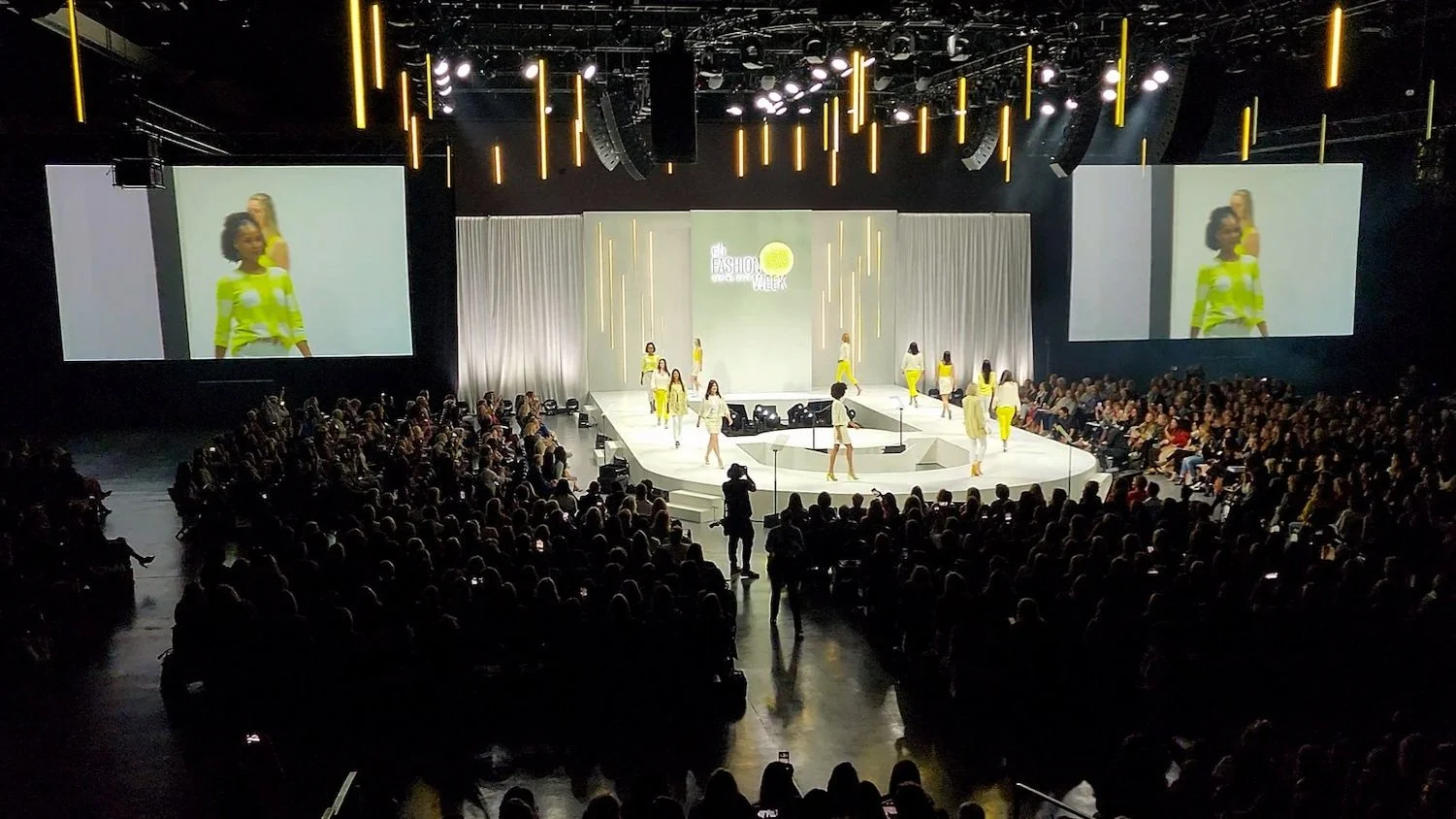
Cabi Spring Fashion Week
Cabi’s Spring Fashion Week is a strong example of experiential marketing in retail because it treated the event as more than a backdrop for a collection launch. The whole thing was built to create anticipation and excitement around the brand, with a fashion show, workshops, parties, custom lighting, animation, and tightly coordinated live content brought together across a three-day event for 2,000 attendees .
What worked here was the sense of immersion around the launch. The collection was still central, but people were not just being shown products. They were stepping into a world built around them. For a retail brand, that kind of experience can make the brand feel more distinct and the product story easier to connect with.
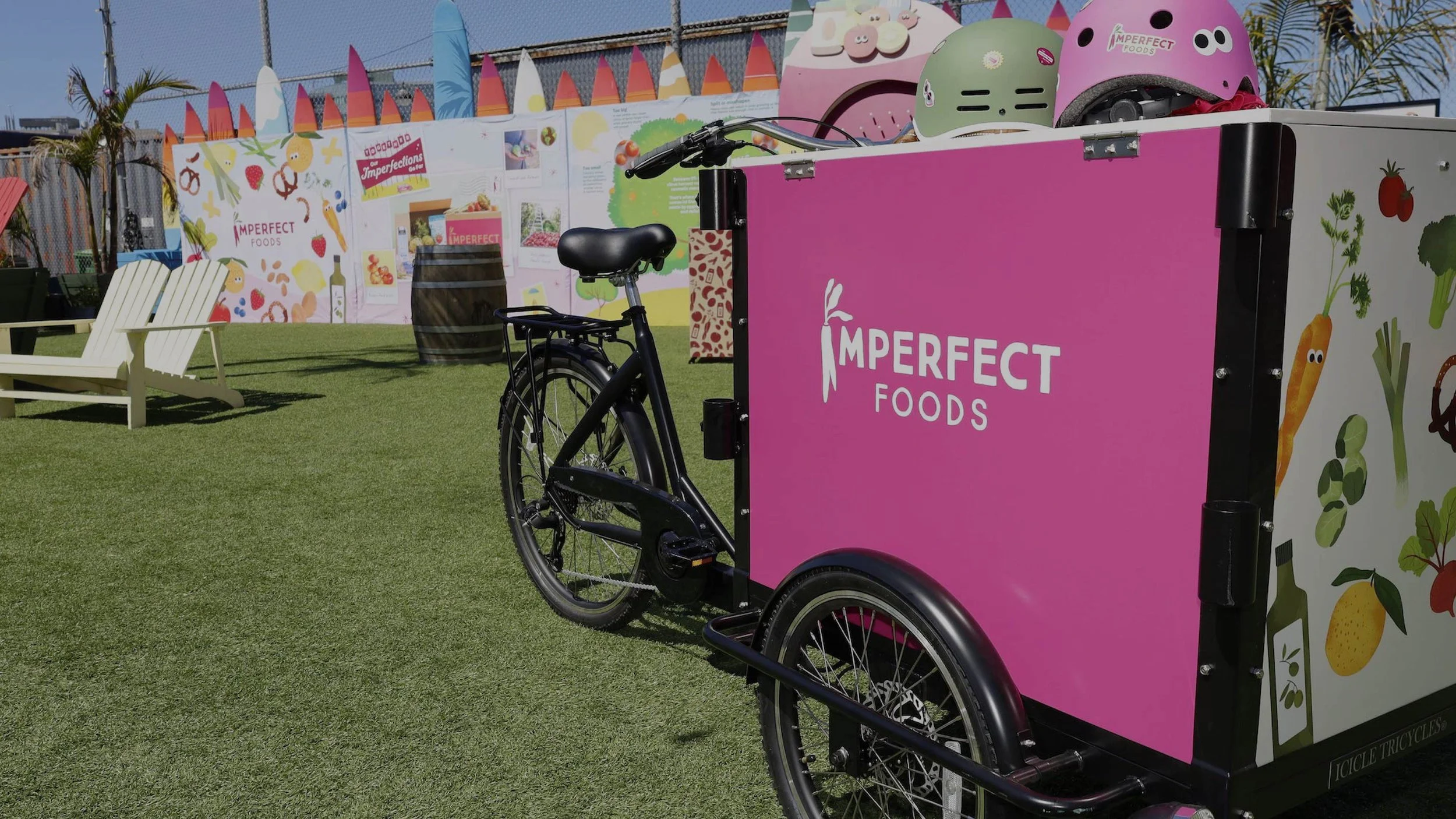
Imperfect Foods Food Waste Week Roadshow
Imperfect Foods took a different route, but it shows another side of how retail experiential marketing can work. For Food Waste Week, Cogs & Marvel created a modular pop-up roadshow that used play, not guilt, to raise awareness, generate new customers, and drive footfall. The experience included games, photo moments, custom audio, educational content, and food truck partnerships, with the first event delivering 10 times the expected RSVPs and 9 times expected foot traffic .
This is a particularly useful example because it shows how a retail-facing brand can use experiential marketing to make a message more approachable. Instead of asking people to absorb information passively, it gave them an entertaining way to engage with the brand and its values.
It also shows how well pop-up activations can work when the goal is both awareness and customer acquisition.
Why Experiential Marketing Is Becoming the Future of Retail Marketing
Experiential marketing is becoming more central to retail because it gives brands a more direct way to create attention and connection in crowded spaces. It does more than make a brand visible. It gives people something to engage with, which tends to make the brand easier to notice, understand, and remember.
That matters because retail marketing is no longer just about placing messages in the right environment. It is increasingly about creating moments people want to spend time with. That is really why experiential marketing feels more relevant to retail now. It helps brands turn physical presence into something more active.
Create Memorable Retail Experiences with Cogs & Marvel
Cogs & Marvel helps retail brands use experiential marketing in a way that feels considered and commercially useful. From pop-ups to launch events and in-store retail activations, the focus is on creating experiences that attract attention, support the brand story, and make the space work harder.
FAQs
What is experiential marketing in retail?
Experiential marketing in retail uses live, interactive brand experiences to help retail businesses connect with people more directly.
Why is experiential marketing effective for retail brands?
It gives retail brands a better chance of being noticed, understood, and remembered than passive marketing alone.
What does experiential marketing in retail look like?
It can take the form of pop-ups, launch events, in-store activations, product trials, and other retail marketing events.
Are pop-ups part of experiential marketing?
Yes, pop-ups are one of the most common ways retail brands use experiential marketing in practice.
Why is experiential marketing the future of retail?
It helps retail brands turn physical spaces into stronger marketing environments, not just places to sell from.