
Millennials made the experience economy what it is. Festivals, city breaks, supper clubs and that one gig everyone still talks about: this was the generation that decided memories were worth more than stuff. They haven't changed their minds. What's changed is their calendar.
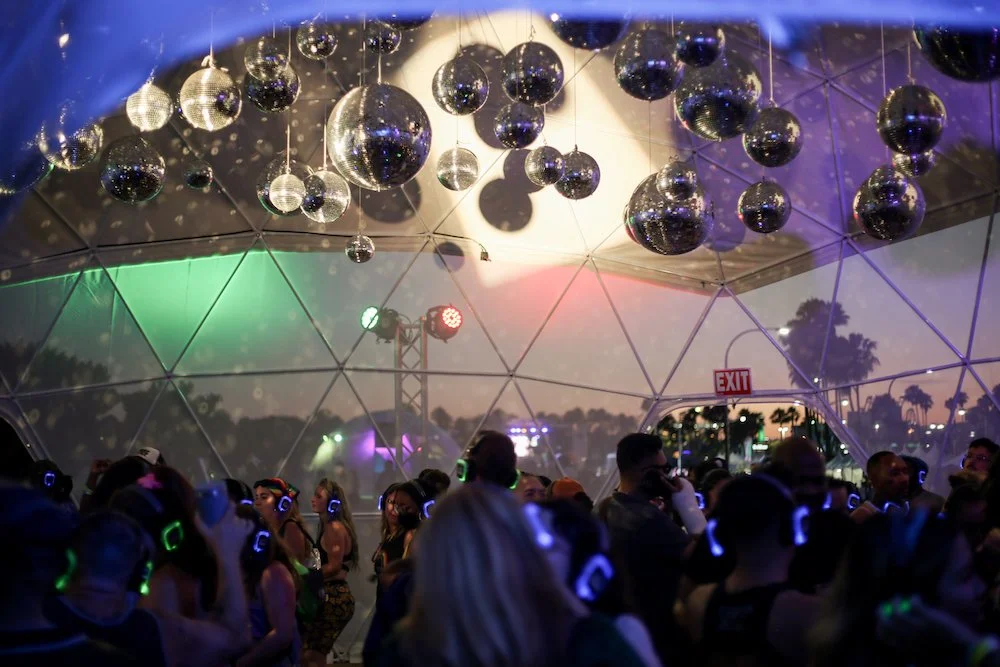
Image from Long Beach Pride C&M Case Study
Now in their 30s and 40s, Millennials are juggling careers, mortgages, childcare and a group chat that takes 3 weeks to agree on a date. In the US, Bureau of Labor Statistics data shows people aged 35 to 44 now have less leisure time than any other age group. Their spending power is growing fast, but their free evenings aren't.
That's the key to marketing to Millennials today. They still want experiences, and they'll still pay for good ones. But time has become the currency they guard most closely, so every brand moment has to earn it. When it does, Millennials respond more strongly than any other generation. Below, we look at what Millennials value now, how they spend and decide, and how to build marketing that's worth their time.
What Matters to Millennials in 2026?
Millennials now make decisions through the lens of family, financial security and time. They still want fun, discovery and the occasional splurge, but those things have to fit inside a much fuller adult life.
TelmarHelixa's cross-market research ranks spending time with family and being financially secure as Millennials' 2 leading values. Euromonitor's 2025 research found 29% of Millennials name time with family as their top priority, compared with just 7% who put work first. Nearly half say they feel constant pressure to balance work, family and personal ambitions.
That pressure shows up in how they protect their time. In the same research, 59% of Millennials said they set firm boundaries between work and personal life, the highest of any generation. And 58% said they'd be willing to spend money to get time back. Money is tight too. Deloitte's 2026 Gen Z and Millennial Survey found 52% of Millennials have delayed a major life decision because of their finances.
So the starting point for marketing to Millennials is clear. Make the value of showing up easy to see, then make the experience good enough to reward the time they gave you.
What We Know About Millennials → What It Means for Marketing (Chart)
| What we know about Millennials | What it means for marketing to them |
|---|---|
| They're entering their highest-spend household years | There's real opportunity, but more competition for every discretionary purchase |
| 35 to 44-year-olds have the least leisure time of any age group | Show the value up front, before you ask for their evening |
| Family and financial security are their top values | Design experiences that fit around real adult lives, including kids |
| They'll trade up when the premium is clearly justified | Make quality, expertise and added value tangible |
| They trust expertise and useful creators over hype | Bring knowledgeable people into the experience |
| They respond strongly to live brand experiences | Treat experiential as part of the commercial strategy, not decoration |
How Do Millennials Spend and Make Decisions?
Millennial spending habits are deliberate. This is a generation with growing economic power, but also far more claims on its money and time than when "Millennial marketing" first became an industry obsession. They still spend on enjoyment, but they research carefully, look for credible proof and switch between premium and value depending on whether the difference feels worth it.
Millennials Have More Spending Power, and More Claims on It
Millennials are moving into their most commercially important years. NIQ and World Data Lab project core Millennial spending will grow from $7.3 trillion in 2026 to $10.3 trillion by 2036, keeping Millennials the largest core-spending generation throughout. Among affluent consumers, Millennial spending is projected to nearly double, from $8 trillion to $15.6 trillion.
That doesn't mean carefree spending. In McKinsey's 2026 European research, 39% of Millennials planned to splurge, well below Gen Z (56%) but above Gen X (28%). And The Harris Poll found 48% of Millennials are actively finding ways to curb spending in 2026.
NIQ's answer to that tension is what it calls a "defensible premium": a higher price justified by transparency, convenience, personalisation, trusted claims or clear household use. For brands, price is only part of the value equation. A premium product, service or experience needs to make its extra value obvious enough for someone to see why it deserves the spend.
Experiences Still Earn a Place in the Budget
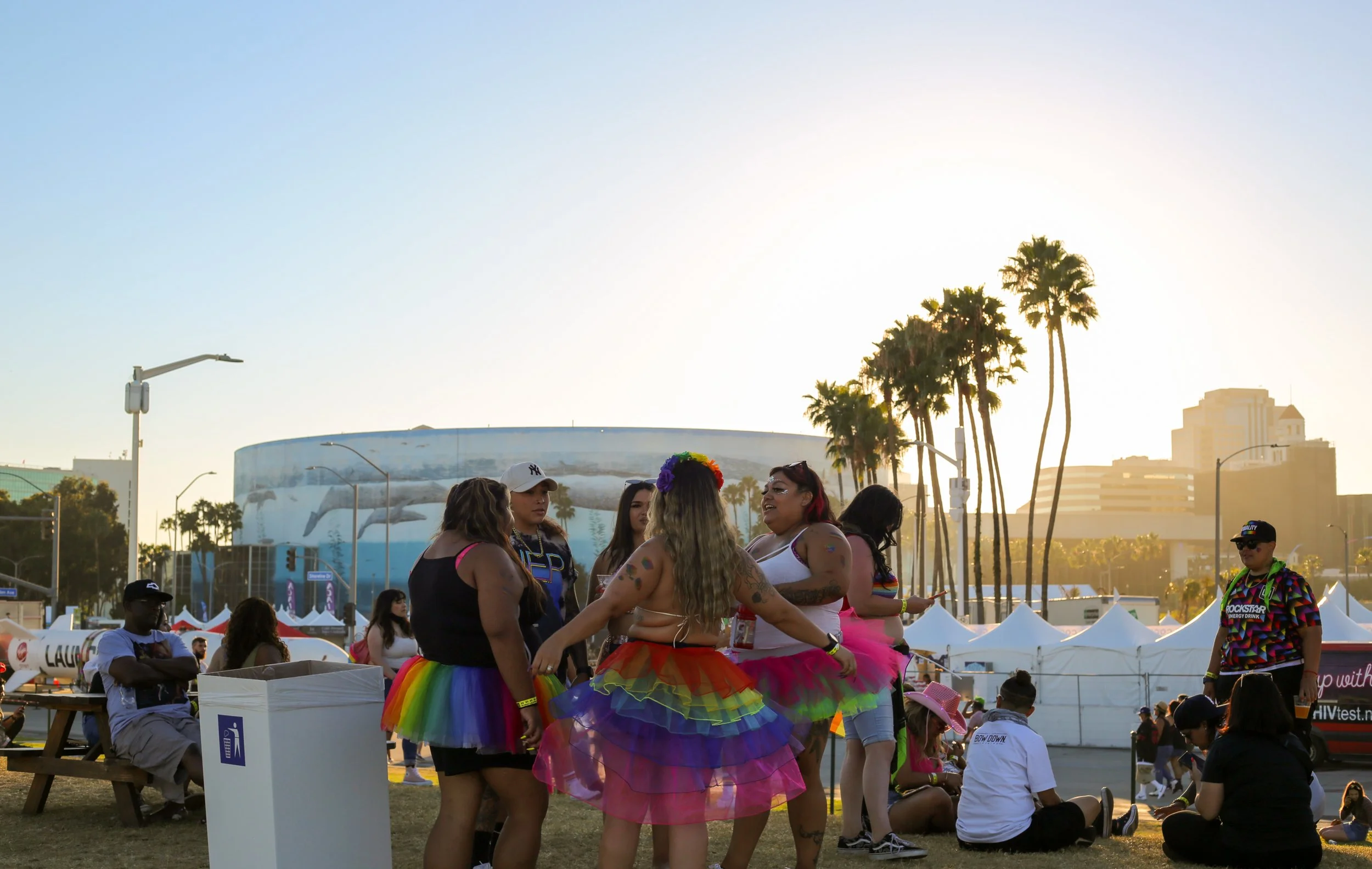
Experiences remain a priority because they offer things a product often can't: shared time, memories, learning and a proper break from routine. TelmarHelixa's data puts recreational activities at the top of Millennials' purchase categories, reaching 77% (a near-identical share to Gen Z, so this is a shared priority rather than a Millennial quirk).
The appetite for live events is strong, too. EventTrack 2026, the experiential industry's annual benchmark study, found 60% of Millennial attendees plan to go to more consumer events this year, and they're less likely than any other age group to cut back.
What's changed is the shape of the experience. The festival is still there, but so are the family trip, the wellness weekend, the food market, the evening class and the brand experience that's useful enough to justify a babysitter. Logistics matter more now. In YouGov's 2026 study of what each generation wants from brand events, Millennials were the most likely of the older generations to be put off by a lack of childcare-friendly options. That was 13%, against 6% of Gen X and 4% of boomers.
Millennials Research Before They Commit
Millennials build confidence before they buy. TelmarHelixa describes their purchase journey as considered and sequential: 55% had recently visited a brand's website, 43% used social networks for product research and 38% read consumer reviews.
To be fair, research isn't unique to Millennials. Bazaarvoice found 97% of all shoppers now check several sources before buying. What sets Millennials apart is the kind of source they trust, which brings us to expertise.
Millennials Respond to Expertise (Not Just Attention)
Millennials gravitate to people who help them make sense of a decision. TelmarHelixa's research describes Millennial influence as utility-driven: they follow chefs, investors, photographers and educators, creators who "explain, not perform". That's a different relationship from the identity-led creator connections it sees among Gen Z.
Creators still carry real commercial weight. Deloitte's Digital Media Trends 2026 found nearly 75% of Gen Z and Millennials made a purchase mainly because of a creator's recommendation in the past 6 months, compared with about 60% of all consumers who follow creators.
That opens up much more interesting uses for talent inside a brand experience. A chef can teach a technique. A designer can show their process. A specialist can answer the questions people would otherwise spend an evening googling. The person is there to make the experience more useful, not just to draw a crowd.
Technology Works Best When It Makes Life Easier
Millennials are digitally fluent, but they're tired of screens. Euromonitor found 52% of Millennials say they spend too much time in front of screens, and 37% believe the internet significantly adds to their stress, compared with 32% of consumers globally.
So technology works best as infrastructure, not entertainment. Digital can make registration faster, personalise an interaction, save recommendations or carry useful information home afterwards. It doesn't need to turn every live experience into another screen. The live moment should give people something worth being there for, and the technology should make getting in, through and back out of it easier.
How to Market to Millennials
The strongest Millennial marketing makes a brand's value easy to see, easy to trust and worth the time it takes. That means designing for the life Millennials have now, proving the proposition instead of describing it and giving people something genuinely good in exchange for their evening.
Experiential marketing is especially useful here because it can do several of those jobs at once. It can entertain, demonstrate, bring people together, provide expertise and make a premium easier to understand. But the format isn't the strategy on its own. The strategy is deciding what this audience needs to experience first-hand.
1. Make the Value Obvious Before Asking for the Time
With the least leisure time of any age group (BLS), Millennials need a clear reason to say yes before they've arrived. Novelty alone won't get them off the sofa.
The value could be access to something hard to get elsewhere, expertise they'd otherwise pay for, an evening with friends that organises itself or the chance to try a product properly. Whatever it is, say it plainly in the invitation. How long will it take? What will they leave with? Can they bring the kids, or book a slot that fits around them?
NIQ's idea of a defensible premium applies just as neatly to time as it does to money. Millennials will trade up when the added value is clear, so make that case before they arrive and then prove it once they do.
2. Put the Proof Inside the Experience
Millennials want to verify a brand's promise for themselves. If quality matters, let them feel it. If the product saves time, show them how. If there's real expertise behind the brand, put those people in the room.
This is where experiential marketing pays off with Millennials in particular. EventTrack 2026 found 64% of consumer attendees said trying a product or service at an event made them more inclined to buy. Among 36 to 45-year-olds, 79% left a brand experience more inclined to purchase, the highest of any age group.
For a research-minded audience, hands-on experience shortens the distance between curiosity and confidence. A claim is far easier to believe once you've tested it yourself.
3. Design for Shared Time, Not Just Individual Attention
Family and friendship sit at the centre of Millennial life now, and TelmarHelixa ranks time with family as their top value. An experience becomes far more valuable when it doubles as time with the people they're already struggling to see.
That doesn't mean building everything around a forced sense of "community". It can be as simple as activities that work in pairs or groups, a plus-one invitation, a daytime slot families can actually make or a space where conversation happens naturally. The attendee comments in EventTrack's 2026 report repeatedly mention going with family or friends and meeting people with similar interests as reasons to attend more events.
For experience designers, social behaviour becomes part of the spatial brief. A space can make connection easy, or leave everyone at the same event having separate experiences.
4. Use Nostalgia as a Doorway, Not the Whole Room
Nostalgia works with Millennials because familiar culture arrives with the emotion already attached. Kantar's research found Millennials are most likely to name the 1990s as their favourite era for toys and games (34%). Across all ages, 68% of consumers say they're more likely to buy something that reminds them of their younger years. A 2026 survey from Talker Research found 54% of Millennials see 2026 as a year focused on nostalgia, compared with 44% of Gen X and 37% of boomers.
The opportunity is to use that recognition to make something new easier to step into. A late-90s reference has little strategic value on its own. It becomes useful when the familiarity helps people understand, enjoy or emotionally connect with what the brand is doing now.
So for us, nostalgia is less about faithfully recreating the past and more about using memory as a way in. It's the doorway, not the whole room.
5. Make Values Visible Through the Experience
Millennials respond best when values show up as evidence rather than positioning. EventTrack 2026 found 77% of Millennial attendees care about how sustainable an event is, compared with 66% of Gen Z. And TelmarHelixa describes a generation that prefers tangible contributions to symbolic gestures.
For experiential work, that means the production itself can carry part of the message. Materials, sourcing, accessibility, waste, community partners and how suppliers are treated all become visible parts of what the brand stands for. We've written more about designing eco-conscious brand experiences if you want to go deeper.
If responsibility matters to the proposition, the experience should make it something people can see for themselves.
6. Let Digital Continue the Value, Not Repeat the Event
The digital follow-up should make whatever happened in person more useful. Millennials already research online before buying, so a strong experience should pass them smoothly into the next stage of the decision rather than dropping them into a generic email sequence.
That might be a personalised recommendation, a useful follow-up from the expert they met, a saved product configuration or an invitation based on what they actually did on the day.
Timing matters. In EventTrack's data, 38% of attendees who bought the product they experienced did so within 24 hours, and another 34% bought within a week. The live moment creates momentum. Digital should make it easy to act on while that momentum lasts.
Marketing to Gen Z vs Millennials
The difference between marketing to Gen Z and Millennials comes down to what each generation needs before it commits. As we explored in our guide to Gen Z spending habits, Gen Z wants proof, ideally from people like them, before they trust a brand. Millennials want to know an experience is worth their limited time, and they lean towards expertise and credibility to judge it.
| Gen Z | Millennials | |
|---|---|---|
| What earns attention | Cultural relevance, passions and creators they follow | Clear usefulness, credibility and expertise |
| What builds confidence | Peer proof and trying it for themselves | Expert guidance, evidence and considered information |
| Biggest barrier | Fear of wasting money on something that disappoints | Fear of wasting precious time |
| Role of the experience | Lets them find out a brand's value first-hand | Makes the value tangible and the time worthwhile |
| Role of digital | Where discovery and culture happen | A tool for research, planning and convenience |
| Strong experience principle | Give them proof | Give them a reason |
EventTrack 2026 shows how that plays out at live events. Its youngest respondents (18 to 25) had the biggest appetite for more events, but only 40% left feeling more positive about the brand and 40% more inclined to buy. Millennials were far more commercially responsive: 66% left feeling more positive, and 79% of 36 to 45-year-olds said a brand experience made them more inclined to purchase.
That gives experiential strategy a useful distinction. Gen Z needs an experience convincing enough to earn their belief. Millennials need one valuable enough to earn their time, and the evidence suggests they reward brands generously when it is.
[IMAGE] EventTrack 2026 "Purchase intent, by age" chart (p.49)
Millennial Marketing in Practice
[C&M CASE STUDY / QUOTE SLOT] Suggested case study: Obsidian Wine Co. Adventures. It's a strong fit for this audience: expert-led excursions (hiking a volcano with a geologist, sailing the bay with rosé) that turn shared time and expertise into proof of the brand's values. Results to include: 709,665,073 media impressions at launch, with 9 excursions still running on monthly rotation and turning one-time buyers into long-term customers. Confirm with C&M whether the audience skewed Millennial before calling it a Millennial activation. Alternative: Kohl's Evening with Ellie, an intimate event celebrating mothers, if C&M can confirm the audience was Millennial moms.
Suggested quote prompts: "What makes a brand experience worth Millennials' increasingly limited time?" and "How can an experience give a research-minded audience the confidence they need before buying?"
Millennial Marketing Trends Worth Watching
The strongest Millennial marketing trends point towards experiences that are more useful and intentional, not bigger or louder. These are the ones the research suggests are worth building around.
Time as the new premium. 58% of Millennials say they're willing to spend money to reclaim time (Euromonitor). Experiences that are efficient, well organised and easy to fit into a week will win over ones that ask for a whole Saturday.
Family-friendly by design. Millennials are twice as likely as Gen X to be put off a brand event that doesn't accommodate children (YouGov). Daytime slots, kid-friendly zones and plus-one invites widen the audience.
Expertise over entertainment. Millennials follow creators who teach rather than perform (TelmarHelixa). Masterclasses, expert Q&As and behind-the-scenes access give them something they'd otherwise have to look for.
Real-world connection as a break from screens. More than half of Millennials say they spend too much time in front of screens (Euromonitor). Face-to-face expertise and shared experiences feel more valuable as a result.
Nostalgia with a current purpose. Millennials are more likely than Gen X or boomers to see 2026 as a year shaped by nostalgia (Talker Research). Familiar references work best when they lead somewhere new.
Premium experiences with a visible reason for the premium. Higher prices work when people can see the added value through quality, access, convenience or expertise (NIQ).
Values you can see. 77% of Millennial event attendees care about sustainability (EventTrack). Commitments carry more weight when they shape the experience itself.
Put together, the direction is clear. Millennial marketing is becoming more considered at exactly the moment real-world experience is becoming more valuable to them. Brands that connect those 2 ideas have a strong chance to earn both attention and action.
Create Millennial Brand Experiences Worth Making Time For With Cogs & Marvel
Millennials already understand experiences as a form of value. The question now is which ones deserve their time. Maybe it's an experience that makes a product easier to trust, creates time with the people they love, puts real expertise within reach or is simply memorable enough to justify breaking the routine.
At Cogs & Marvel, we start with those audience realities and design everything around them. Space, interaction, story and digital follow-up all have a job to do, and every part of the experience helps people understand why the brand is worth their time. If you're working out how Millennial audience insight should translate into a live experience, get in touch with Cogs & Marvel.
Marketing to Millennials FAQs
What is the best way to market to Millennials?
The best way to market to Millennials is to make the value of their time obvious, then use experience, expertise and hands-on proof to make that value credible. Clear invitations, family-friendly formats and genuinely useful content all help.
What do Millennials value most?
Millennials rank time with family and financial security as their top values. In marketing, they respond best to usefulness, credibility, convenience and brands that make the reason for a premium easy to see.
Do Millennials still prefer experiences over things?
Yes, though the experiences have grown up with them. Recreational activities remain their top purchase category, and 60% of Millennial event attendees plan to go to more events in 2026. Today's experiences increasingly reflect family, wellbeing, learning and making good use of limited free time.
What are Millennial spending habits in 2026?
Millennials are entering their highest-spend household years while managing housing, childcare and everyday costs. They trade up when a premium is clearly justified and trade down when it isn't, and they research carefully before committing.
What is the difference between marketing to Gen Z and Millennials?
Gen Z needs proof, ideally from people they trust, before believing a brand. Millennials need to know an experience is worth their limited time, and they rely more on expertise and credibility to decide. Both respond to live experiences, but Millennials are currently the more commercially responsive at events.