

Sony’s gaming community issues and sustaining fan engagement
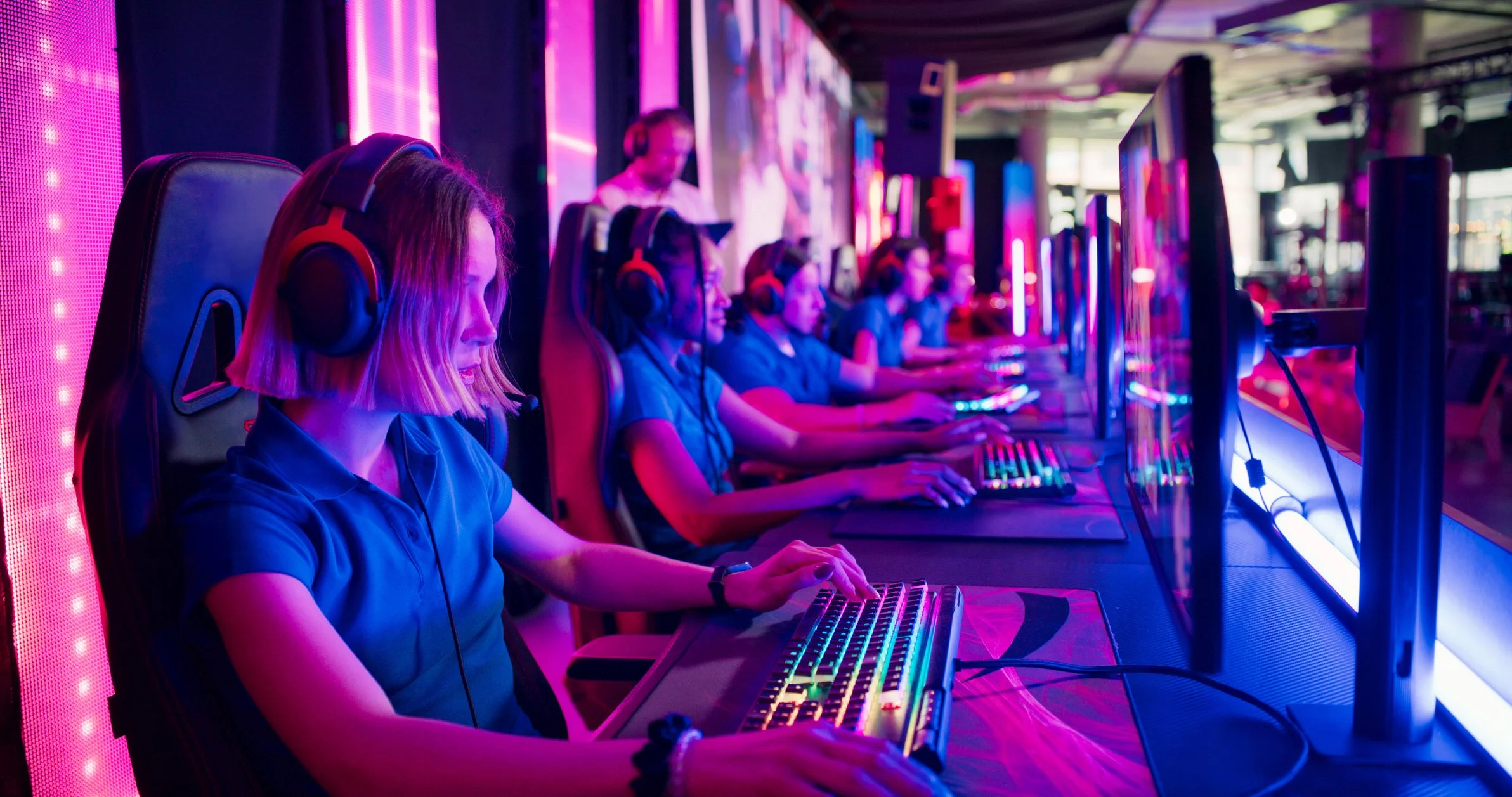
How does Sony solve the problems created by the backlash from its announcement on going all digital on its Playstation games from 2028? With some creative thinking, perhaps they can use different brand storytelling tactics to keep fan engagement high.
Why Sony’s digital strategy is dividing the gaming community
The fallout has continued since the news was first made public last month. First, came the verbal backlash from the gaming community. Among many a withering pull-quote, my favourite was from a Reddit user who boldly declared “Sony needs to be humbled.” Which I’d note is not entirely dissimilar from the kind of portentous language that a video game villain might use in swearing vengeance against a hero/people/peaceful village.
Is Sony the villain here? At face value, the Japanese giant’s logic is sound: digital purchases now account for almost 80% of its sales. In the era where choice still exists, consumers are opting for digital media. Although this comes with the caveat that choice doesn’t exist for every game (as many games have been digital-only releases for years), there is a compelling “we’re giving consumers what they want” argument.
It’s also very much the case that the gaming industry is riding the trend set by the broader entertainment industry in the past two decades. DVDs and CDs were (mostly) swept away by the advent of streaming. Gaming - being so closely intertwined with all things tech - has often been at the forefront of technological development, so we perhaps shouldn’t be surprised that it is taking a leap to completely kill the physical format altogether. In time, we’re willing to bet that major movie studios or record labels might follow suit, as the economic argument starts to dominate the campaign to placate the purists.
Sony’s commercial argument is sound: the profit margin on the digital version is large, as there are no physical manufacturing or distribution costs. Estimates put this premium at 30% more into Sony’s coffers - a major uplift. For the shareholders, it’s a no-brainer to maximise this profit across the offer.
The flipside to any such commercial argument is the expected one: if Sony is making a bigger profit on games sales, aren’t consumers necessarily losing out? On its own, this argument doesn’t really hold up: consumers are essentially exchanging the same cash value for the same product. But go a level deeper and there’s evidence that the change isn’t equitable.
First, as others have experienced with digital movie and TV series purchases, inspect the small print and you’ll soon discover that a digital game ‘purchase’ isn’t a purchase at all. It’s a licensing agreement with no declared fixed term - one that can be revoked unilaterally by the issuer without any corresponding compensation. When you ‘buy’ a digital game, you’re really renting it - and your landlord might one day decide that you’ve had enough fun and stop supporting access to the product altogether.
Furthermore, without the physical copy, the independent resale market for games effectively disappears. Sony expressly prohibits (and technically enforces) reselling digital purchases.
Which brings us to the latest twists in the story. The argument around reselling and the broader financials is solid enough to have attracted the interest of lawyers across the globe. Lawsuits accusing Sony of anti-competitive and anti-trust behaviour have been filed in several major PlayStation-buying jurisdictions - including the US, the EU and the UK.
All of which suddenly sounds more worrying for Sony than some angry posts on Reddit. But lawyers - like Sony’s game developers - don’t work for free. The angry gamers are the ones who are engaging the lawyers. It’s not just emotion driving this: these parties are seeing enough volume of unease to believe their case is winnable.
What gaming culture tells us about fan engagement
Which brings us to what we think is the most interesting thing about this story…
Gamescom takes place in a couple of weeks. The world’s largest video game event attracts many major players keen to deploy some immersive brand storytelling - and hundreds of thousands of fans steeped in gaming culture. We’re willing to bet that a fair chunk of the latter have strong opinions on this topic, some of which may have already been vociferously expressed online.
Not every gamer will go to Gamescom but many of the most passionate ones will. Because gaming is one of the significant communities in their lives. They’re consumers but more importantly, they’re fans. They’re invested in the worlds around the titles themselves, worlds that are often built and organically promoted through the gaming community.
Brands love fans, or “unpaid marketing engines”, as a cynical CMO might dub them. The explosion of gaming in the past 40 years is a fascinating tale of how the passion of individuals (consumers and developers both) can create a behemoth of an industry. Gamescom is for these fans and the exhibitors benefit hugely from their help in spreading their brand stories.
Why physical ownership is still important to gaming fans
Fans have strong opinions about games. And maybe have strong opinions about how they buy their games. Some will feel Sony’s proposals are financially unfair. Some will be annoyed because they simply like to have that tangible box or disc on their shelves. Some love the art on the box. Some have nostalgia for visiting a store.
Many have nostalgia for old games too. Another concern voiced by the angry-at-Sony community is that a digital-only approach risks games becoming ‘extinct’. Classic games of yesteryear are preserved by enthusiasts with a SNES and stack of cartridges in the basement. When the only way to access a game is through an online licence and the provision of that licence is no longer commercially logical for a corporate CFO, does that creation simply cease to exist, leaving gaming culture bereft?
There is also the consideration of how these gamers enter the market in the first place. The second-hard market often has a significantly lower price point and therefore opens up accessibility to Sony’s products to a broader audience. Sony might argue there’s no immediate commercial value in those buyers - but of course, the second-hand buyer of today might grow into the direct buyer of the future. And more importantly be a buyer of PlayStation 6.
Fan engagement means keeping gaming communities on side
Are these negatives too dramatic? Possibly. But that’s fandom: it is drama and emotion and passion. Brands can’t ask for all the positives and not expect some of their more delicate decisions generating some of the negatives. Ask any sportsperson: you have to keep the fans on side. The task, as ever, is striking the right balance between keeping the short-term shareholders happy but keeping your fan engagement - and gaming communities - healthy enough to ensure that there remain plenty of shareholders in the long term.
We don’t think you can stop the digital tide where digital makes sense. To reiterate, the product is the same, so at that basic level, there’s little argument to be made. Consumers might hope that the transition to higher profits for all its game sales might help Sony bring down costs in the future (though the AI-driven demand for memory might burst that bubble - a topic for another day) but that’s at the mercy of the market and the competition. It will be interesting to see what Nintendo does next.
Can experiential brand storytelling rebuild fan engagement?
What we absolutely would do if we were in Sony’s shoes - in the field of this whole question where our expertise is most valuable - is to shore up that positive community sentiment in other ways. There are places where digital doesn’t win, demonstrated by how experiential continues to thrive as a channel for brands to connect with its audiences. There’s a reason Gamescom isn’t a webinar.
If you’re a brand marketer looking for avenues to boost brand storytelling, where you can foster deep emotional engagement and help build positive advocacy in your communities, it pays to be human about it. That would be our advice to Sony: be creative about the problem and find a different route to the outcome. Investing in the community through thoughtful experiential activation might help rebuild some of that brand love that is currently taking a bit of a hit.
Guess what? Sony hasn’t had an official presence at Gamescom since 2019. Now might be the time to reconsider that approach.
Investment in such events would be our unsurprising advice to the competition too. Gamers want community and if some of them are on the market for new places to direct their energy, fan-focused experiences are a great way to introduce them to your offer.
The opportunity for gaming brands to invest in community
Luckily for us, our work is mostly focused on the happy side of these debates. For Cogs & Marvel, the centering of audiences to help build positive community sentiment is the day job. So we’re off to Gamescom to see what’s generating the fan engagement this year.
As an aside, the implications of this tension between the forces of physical and digital is not lost on us. We’re all about the real-world experiences. And we also know how much technology has enhanced the experiences we build for our clients and their audiences. Our advice? Well, it’s not about us, it’s about the audience. If Sony keeps delivering a great product that is - above all else - the reason the fans stay engaged, then the community will continue to thrive. But the size of that community can be grown even more if the brand invests in it.
Frequently asked questions
-
Because gamers are rarely passive consumers. The strongest gaming communities are built around people who play, discuss, collect, create, compete and share their enthusiasm with others. That passion can be enormously valuable to brands, but it also means decisions that affect the community can provoke a much stronger response than they might in a less emotionally invested category.
-
Start with the community rather than the marketing message. Give fans opportunities to participate, meet each other, express their enthusiasm and spend meaningful time with the brand. Experiential activations, live events, creator interactions and shared moments can all help strengthen the relationship, provided they give audiences something genuinely valuable rather than simply another sales pitch.
-
Gaming audiences are far more varied than the word “gamer” suggests. People are drawn to games for different reasons, from competition and achievement to storytelling, creativity, escapism and community. Understanding those motivations gives brands a much better starting point for designing experiences people actually want to join.
-
The best brand storytelling gives fans something they can participate in rather than simply something they are told. Gaming culture is already built around characters, worlds, shared histories and communities, so brands have plenty to work with. The trick is to contribute to that world in a way that feels relevant to the audience rather than barging into it with a marketing message.
-
Because digital convenience and physical connection do different jobs. Gamers can play, watch and talk online perfectly well from home, yet hundreds of thousands still travel to events such as Gamescom. They go for the shared experience, the atmosphere, the community and the chance to step into the worlds they care about with other people who care about them too.
